

Introduction
When it comes to achieving healthy, glowing skin, understanding science-based skincare ingredients is essential. These are ingredients that have been rigorously studied and proven through clinical research to deliver real results, whether it’s reducing wrinkles, brightening dull skin, or restoring hydration. By choosing products formulated with scientifically backed actives, you can confidently address specific skin concerns while minimizing irritation or ineffective treatments. From Retinol and Vitamin C to Niacinamide and Hyaluronic Acid, science-based ingredients form the foundation of an effective skincare routine that truly works.
Why Science Based Skincare Ingredients Matter for Healthy Skin
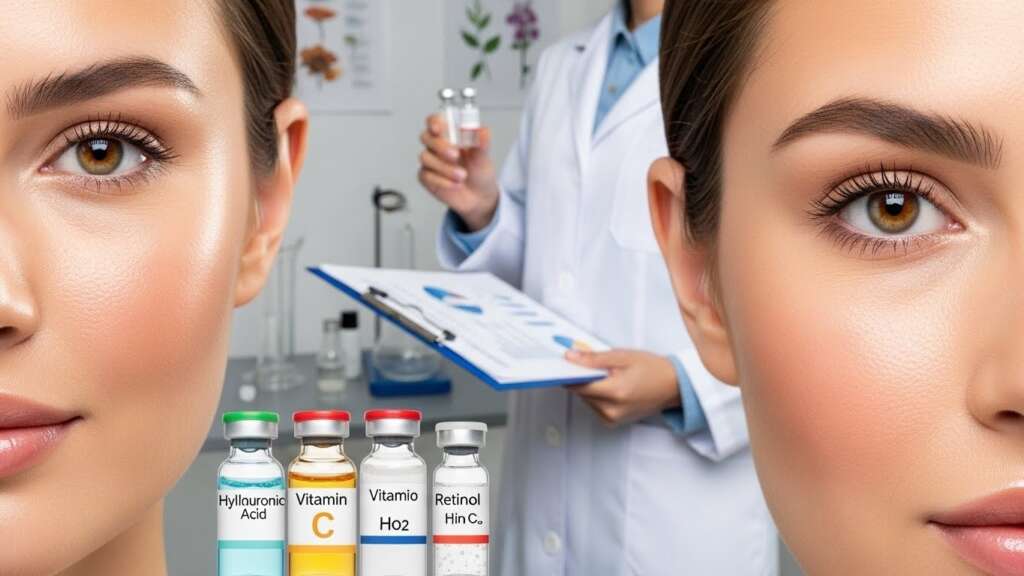
Skin care works best when it is guided by evidence, not promises. Science based skincare ingredients are selected because they have been tested in laboratories, evaluated in clinical studies, and reviewed through peer-reviewed research. These ingredients are studied for how they interact with skin biology, how well they absorb, and how safe they are with long-term use.
Unlike trend driven formulas, science backed skincare ingredients rely on dermatological research, randomized controlled trials, and real measurements such as inflammation reduction, collagen synthesis, and epidermal barrier repair. This is why dermatologists consistently rely on evidence-based skincare ingredients when recommending treatments for acne, aging, pigmentation, or sensitive skin.
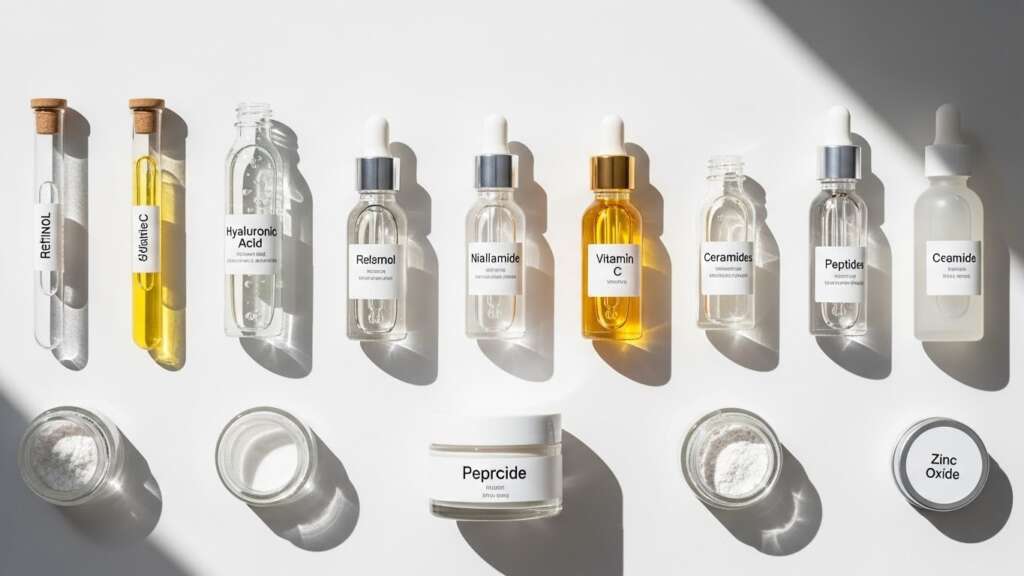
Before discussing each ingredient in detail, the table below provides a clear overview of the most trusted actives, their main skin benefits, and the concerns they address.
Quick Overview of Clinically Proven Skincare Ingredients
| Ingredient | Primary Skin Benefit | Key Skin Concern |
| Retinol | Collagen synthesis support | Wrinkles and fine lines |
| Niacinamide | Barrier repair and oil balance | Acne and redness |
| Hyaluronic Acid | Deep hydration | Dry and dehydrated skin |
| Vitamin C | Oxidative stress reduction | Dullness and spots |
| Ceramides | Epidermal barrier strength | Sensitive skin |
| Salicylic Acid | Pore clearing action | Acne prone skin |
| Glycolic Acid | Cell turnover support | Uneven texture |
| Azelaic Acid | Inflammation calming | Rosacea and acne |
| Peptides | Cellular repair signaling | Aging skin |
| Zinc Oxide | UV reflection | Sun protection |
| Squalane | Lipid replenishment | Barrier damage |
This table highlights skincare ingredients that actually work because each one has a documented mechanism of action and a known safety profile.
How Science Based Skincare Ingredients Are Evaluated

Understanding how scientifically proven skincare is evaluated helps separate marketing from medicine. Dermatologists and cosmetic chemists focus on several core principles before calling an ingredient effective.
Clinical Testing and Research Standards
For an ingredient to qualify as one of the clinically proven skincare ingredients, it must show measurable improvement under controlled conditions. These include:
- Randomized controlled trials comparing active ingredients with placebo formulations
- Peer reviewed research published in dermatology journals
- Long term efficacy data to confirm sustained results
- Safety testing for irritation, sensitization, and tolerability
This process ensures that skincare ingredients backed by research deliver predictable outcomes instead of temporary surface effects.
Bioavailability and Skin Absorption
An ingredient can only work if it reaches its target area. Formulation science plays a major role in determining skin absorption, molecular stability, and penetration depth. Factors such as molecular structure, pH balance, and concentration levels influence whether an ingredient remains on the surface or supports cellular repair within the skin.
Why Dermatologists Trust Evidence Based Ingredients
Dermatologists rely on ingredients dermatologists trust because these actives meet medical and cosmetic standards. Dermatologist recommended skincare ingredients are selected for their predictable results, non comedogenic properties, and compatibility with sensitive skin.
Retinol and Retinoids Explained by Science
Why Retinol Is a Proven Skincare Active
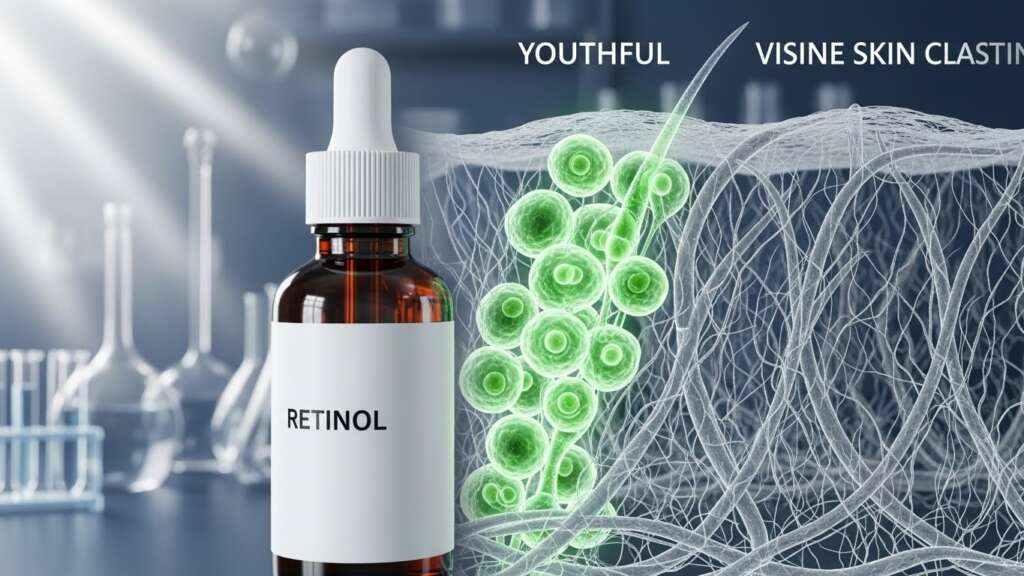
Retinol is one of the most researched proven skincare actives in dermatology. Derived from vitamin A, retinol supports collagen synthesis, improves cellular turnover, and reduces visible signs of aging. Clinical data confirms its role in wrinkle reduction, smoother texture, and improved skin tone.
How Retinol Works at the Cellular Level
Within the skin, retinol is transformed into retinoic acid after application. This conversion triggers:
- Increased cellular renewal
- Reduced oxidative stress
- Support for long term efficacy against aging
Because of this, retinol is considered a gold standard among anti aging skincare ingredients.
How Long Does Retinol Take to Work
Clinical evidence suggests visible improvement within 8 to 12 weeks when used consistently. Early dryness is common but improves as skin tolerance builds. This timeline answers one of the most common long tail questions related to how long does retinol take to work.
Niacinamide and Barrier Repair Science
Is Niacinamide Scientifically Proven
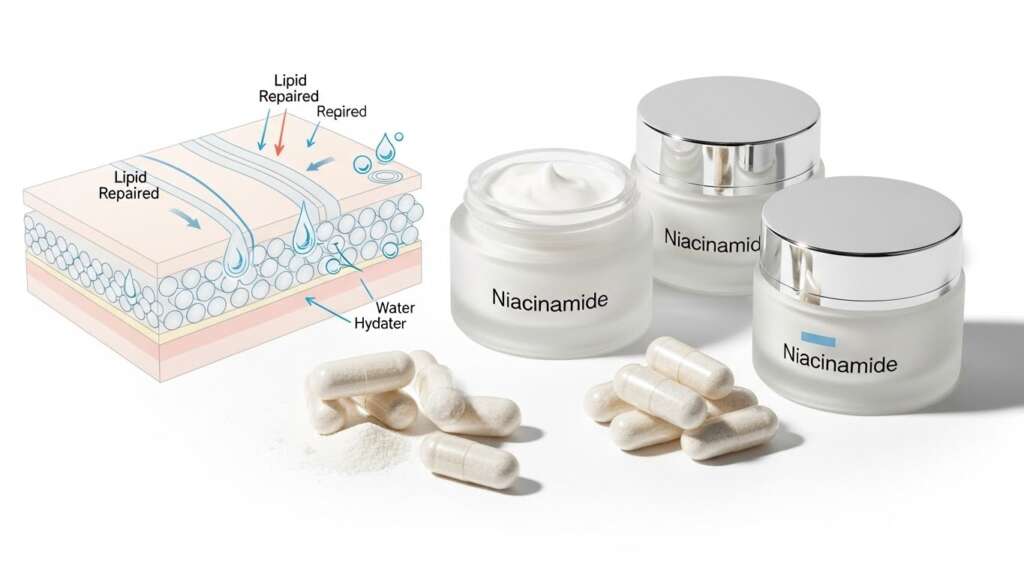
Yes. Multiple dermatological research papers confirm niacinamide improves barrier function, reduces inflammation, and balances oil production. This makes it one of the most trusted skincare ingredients for sensitive skin.
Percentage Matters in Niacinamide Formulations
Clinical evidence shows:
- 2 to 5 percent improves barrier strength and redness
- Higher concentrations support oil control but may irritate sensitive skin
This percentage comparison highlights why concentration levels matter when selecting research backed skincare products.
Why Niacinamide Supports the Skin Microbiome
Niacinamide improves lipid synthesis within the epidermis, supporting the skin microbiome and improving tolerability for daily use.
Hyaluronic Acid and Hydration Science
How Hyaluronic Acid Improves Skin Hydration
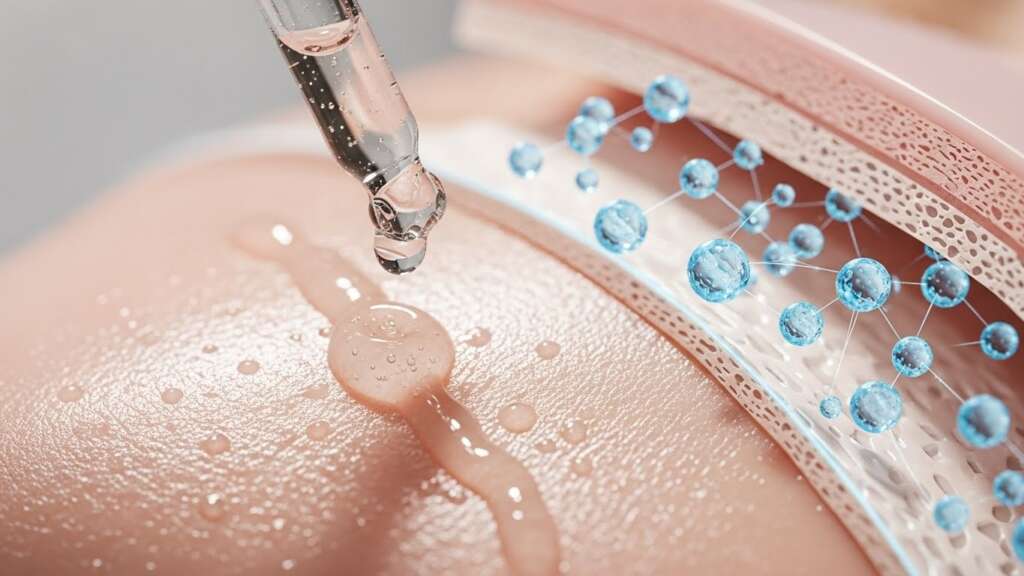
Hyaluronic acid binds water molecules, improving skin hydration and elasticity. Its ability to retain moisture supports hydration boosting ingredients used in medical grade skincare ingredients.
Molecular Weight and Skin Absorption
Low molecular weight forms penetrate deeper, while high molecular weight forms hydrate the surface. Effective formulations balance both for immediate comfort and long term benefits.
Vitamin C and Oxidative Stress Reduction
Why Vitamin C Is a Clinically Proven Skincare Ingredient
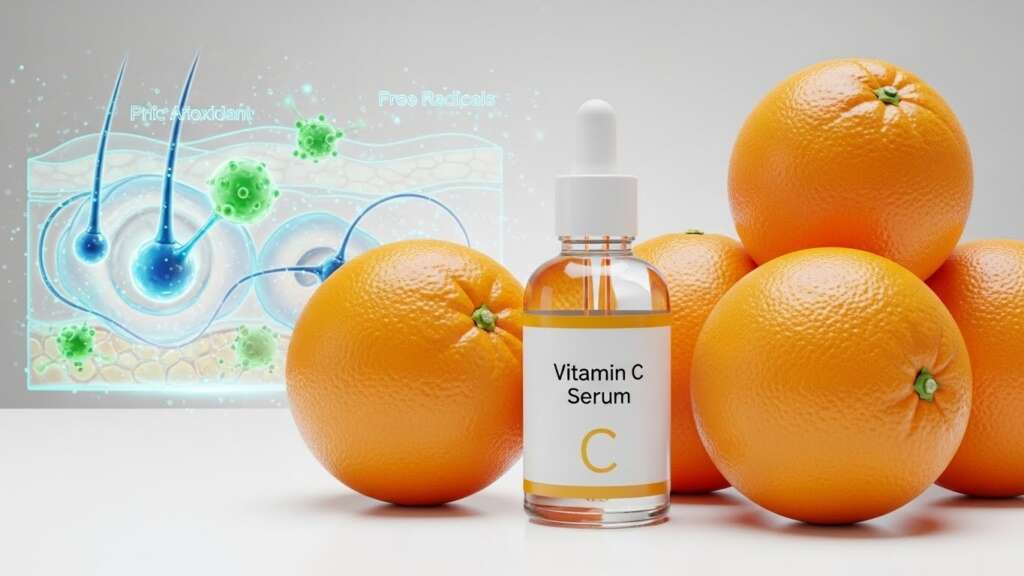
Vitamin C, particularly L ascorbic acid, is one of the most effective brightening ingredients. It neutralizes free radicals, supports collagen production, and improves uneven tone.
Stability and Packaging Considerations
When exposed to light and air, vitamin C deteriorates. Opaque, airless packaging improves stability, which directly affects results.
Ceramides and Epidermal Barrier Science
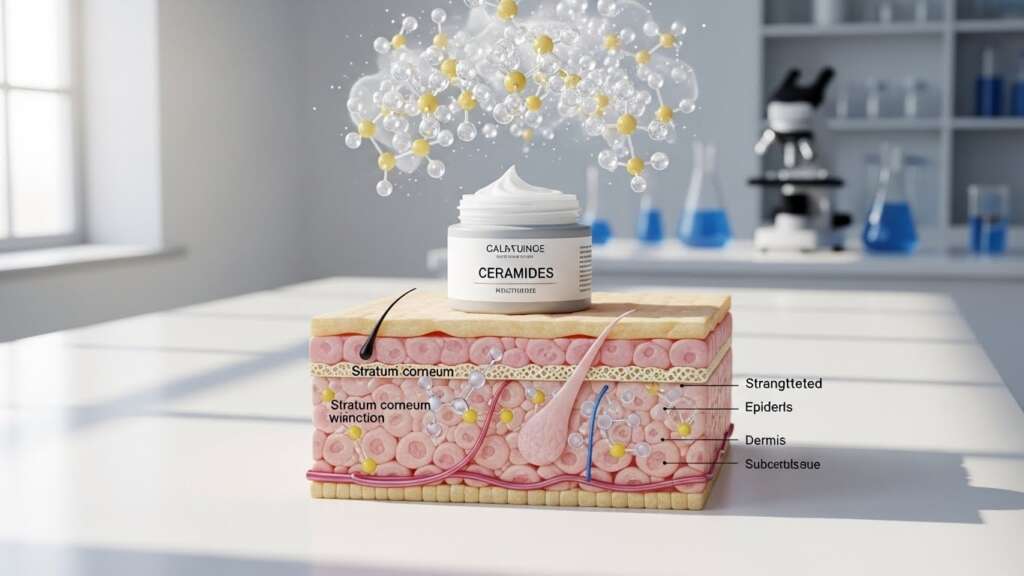
Ceramides are lipids naturally found in the skin. When depleted, the barrier weakens, leading to dryness and irritation. Replenishing ceramides strengthens the epidermal barrier, making them essential skincare ingredients for skin barrier repair.
Salicylic Acid and Acne Research
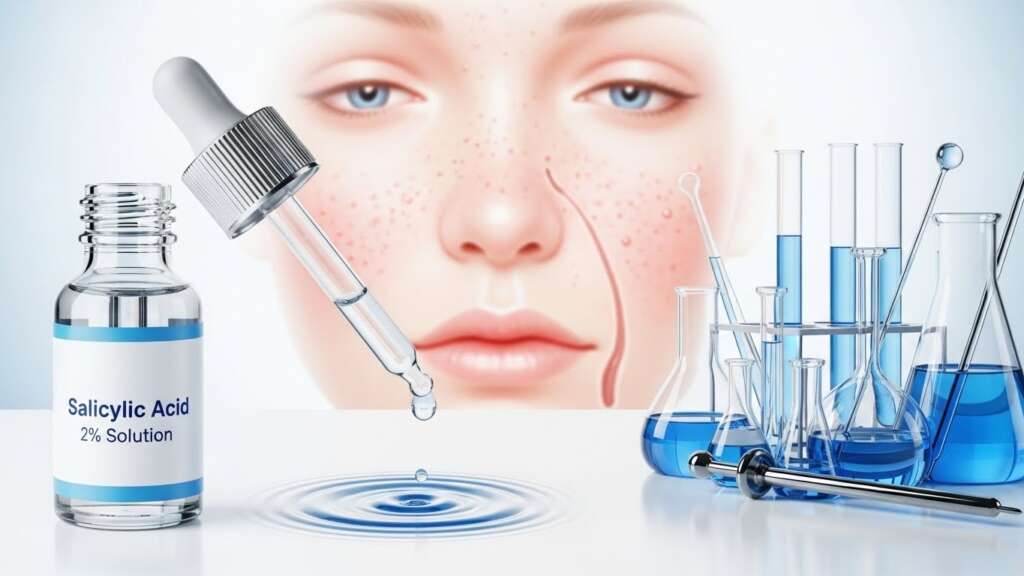
Beta hydroxy acids like salicylic acid are soluble in oil. This allows it to penetrate pores and reduce breakouts. It is one of the most studied acne fighting ingredients and remains a staple in evidence based dermatology.
Glycolic Acid and Cell Turnover
Glycolic acid supports exfoliation and improves skin texture. By promoting controlled cell shedding, it helps with pigmentation and dullness without damaging healthy skin when used correctly.
Azelaic Acid for Redness and Acne
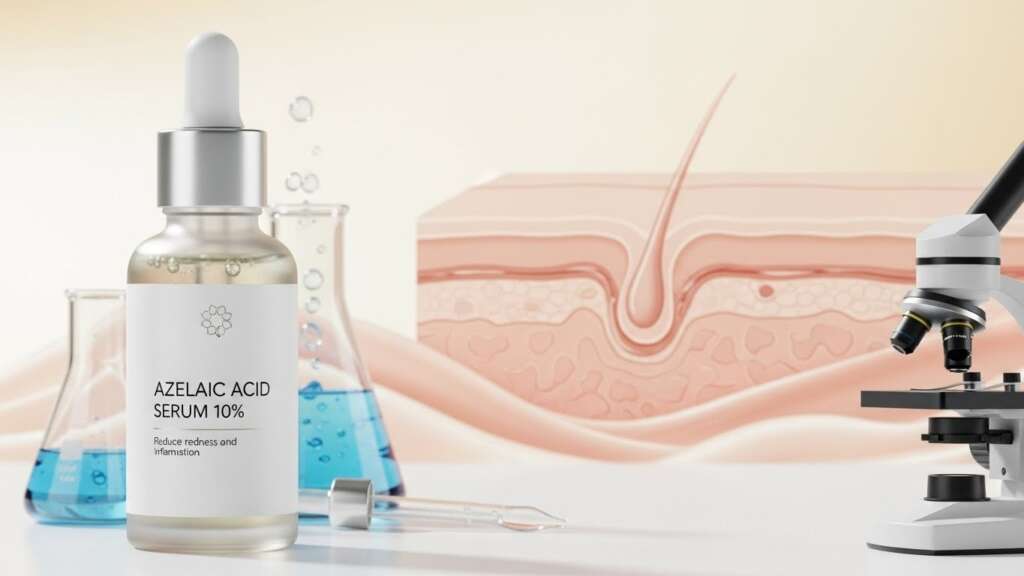
Clinical research supports azelaic acid's ability to reduce pigmentation, inflammation, and acne lesions. It works well for sensitive skin types and is easily tolerated..
Peptides and Cellular Repair Signaling

Peptides act as messengers that signal skin to support repair processes. Their role in wrinkle reducing skincare is supported by ongoing cosmetic chemistry research.
Zinc Oxide and UV Protection Science
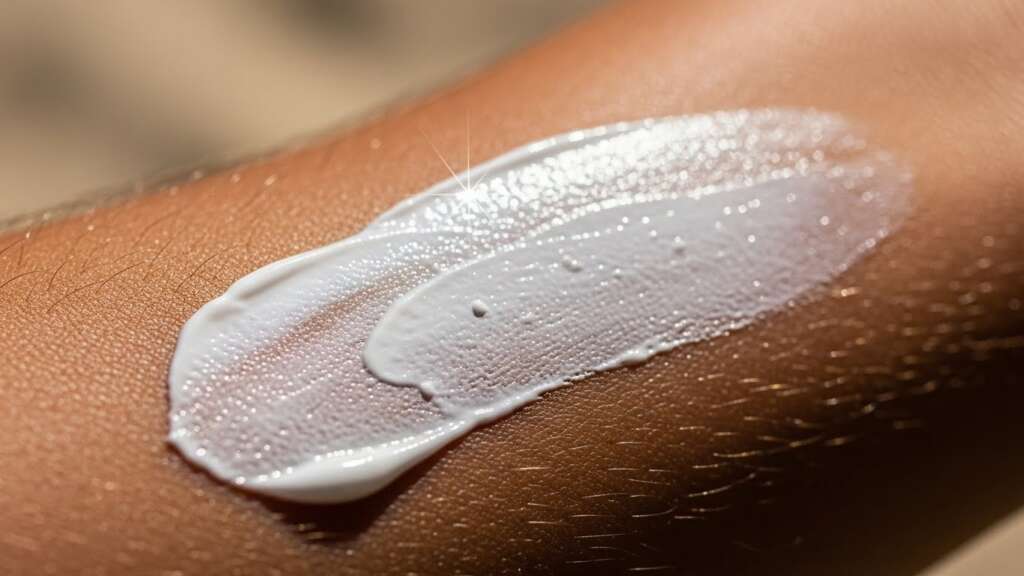
Zinc oxide reflects ultraviolet radiation, offering broad spectrum protection. It is suitable for sensitive skin and frequently found in sunscreens that have been recommended by dermatologists.
Squalane and Lipid Balance
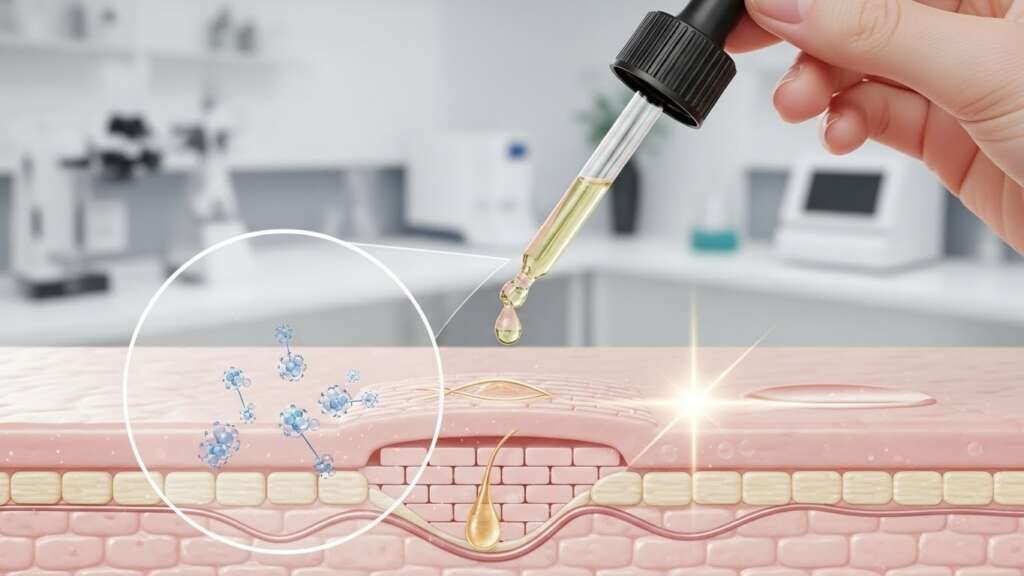
Squalane mimics natural skin oils, improving moisture retention and softness without clogging pores. It supports barrier repair and improves comfort in dry skin.
Understanding Ingredient Interactions and Layering
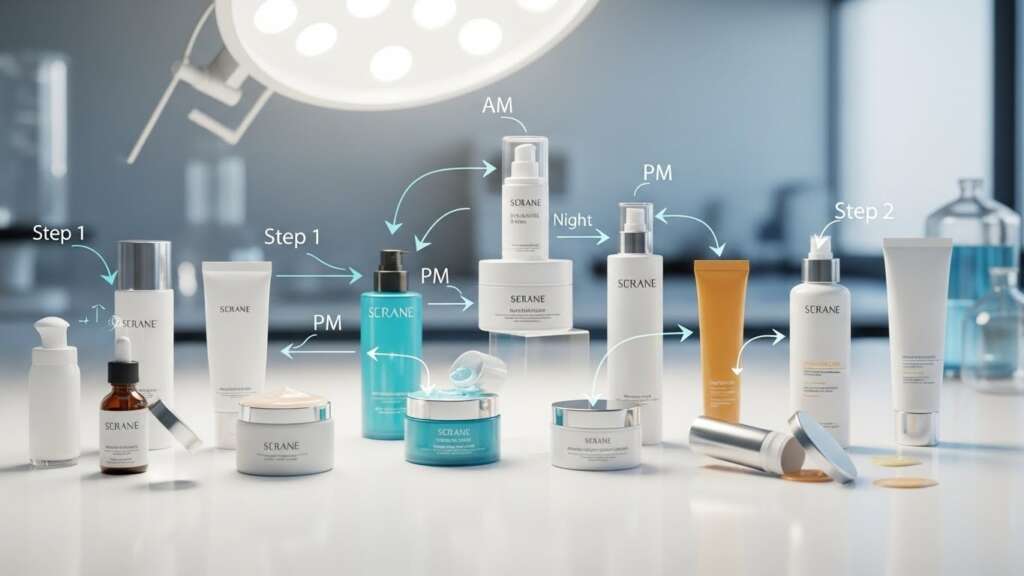
One of the most critical aspects of using science based skincare ingredients effectively is understanding ingredient interaction. Using multiple actives incorrectly can reduce efficacy or increase irritation.
Common Pairings to Avoid
- Retinol + Vitamin C (high concentration): May increase irritation if used simultaneously; better to use vitamin C in the morning and retinol at night.
- Niacinamide + Vitamin C (L-ascorbic acid): Early studies suggested incompatibility, but modern formulations stabilize pH and allow simultaneous use.
- AHA/BHA + Retinol: Can increase sensitivity; recommend alternating nights or using moisturizers to buffer.
Table: Safe Usage & Layering of Key Actives
| Active Ingredient | Best Time of Use | Can Combine With | Notes |
| Retinol | Night | Peptides, Moisturizers | Avoid direct sun; start with low % |
| Vitamin C | Morning | Sunscreen, Niacinamide | Oxidation prone; airless packaging preferred |
| Niacinamide | Any | Most actives | Safe and versatile; supports barrier |
| Salicylic Acid | Night | Moisturizers | Target acne; avoid over exfoliation |
| Glycolic Acid | Night | Retinol (alternate) | Enhances exfoliation, monitor irritation |
| Azelaic Acid | Any | Niacinamide | Calms redness and inflammation |
| Hyaluronic Acid | Any | All actives | Layer before occlusive moisturizers |
| Ceramides | Any | All actives | Barrier support, essential for sensitive skin |
| Peptides | Night | Moisturizers | Supports cellular repair |
| Zinc Oxide | Morning | Sunscreen blends | Broad spectrum UV protection |
| Squalane | Any | All actives | Hydration and lipid replenishment |
Day vs Night Ingredient Usage
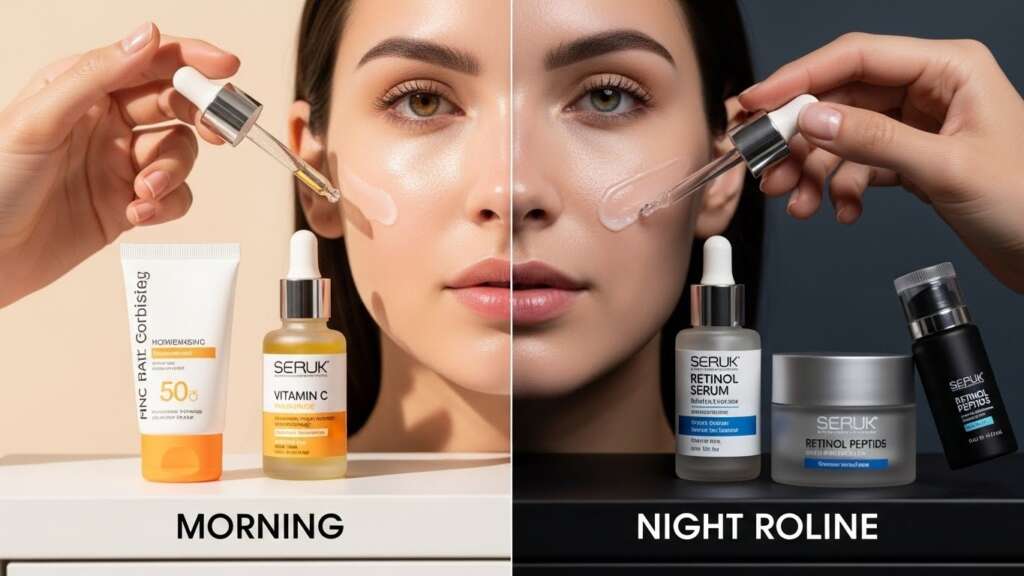
Understanding **when to use each active ingredient can enhance their effectiveness.
Morning Essentials
- Vitamin C: Antioxidant protection against oxidative stress and pollution.
- Niacinamide: Strengthens barrier, reduces redness during the day.
- Zinc Oxide: Broad spectrum sun protection.
Night Essentials
- Retinol / Retinoids: Cellular repair and collagen synthesis.
- AHAs/BHAs (Glycolic/Salicylic Acid): Exfoliation while skin regenerates.
- Peptides & Squalane: Support barrier repair and hydration overnight.
Tip: Using science backed skincare ingredients at the correct time improves absorption and long term efficacy.
Skin Type Based Ingredient Suitability
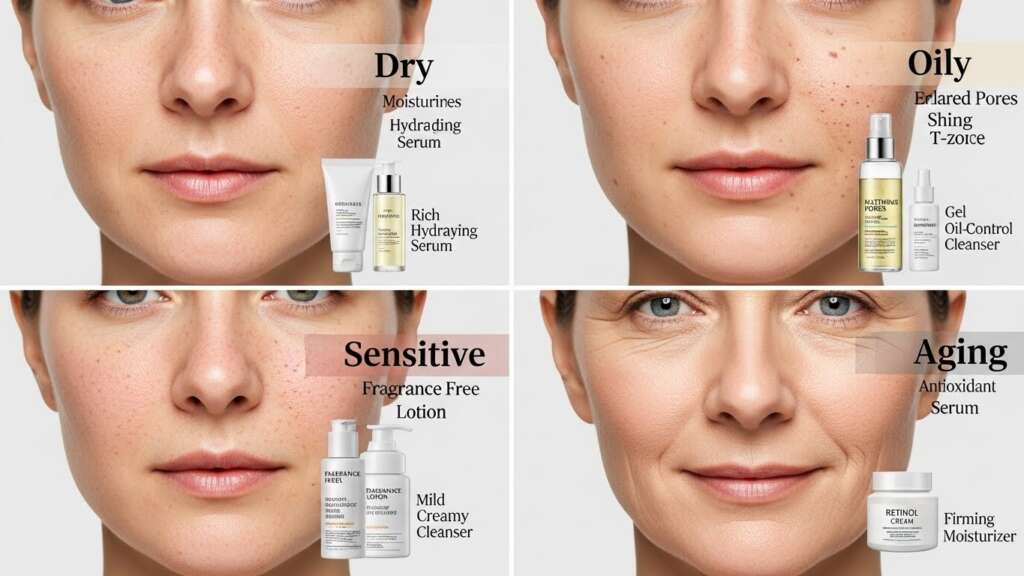
Not all skincare ingredients backed by research suit every skin type. The table below helps in selecting appropriate actives:
| Skin Type | Recommended Ingredients | Ingredients to Avoid | Notes |
| Dry | Hyaluronic Acid, Ceramides, Squalane | Strong AHAs, Retinol (high % initially) | Focus on hydration and barrier repair |
| Oily | Niacinamide, Salicylic Acid, Peptides | Heavy oils, occlusive moisturizers | Controls sebum, reduces acne |
| Sensitive | Ceramides, Squalane, Azelaic Acid, Niacinamide | Strong acids, high % Retinol | Supports barrier, reduces inflammation |
| Aging / Wrinkled | Retinol, Peptides, Vitamin C | Harsh exfoliants (high AHA %) | Stimulates collagen synthesis, smooths texture |
| Hyperpigmented | Vitamin C, Azelaic Acid, Glycolic Acid | Irritating retinoids initially | Brightening and pigment control |
This skin type chart demonstrates how clinically proven skincare ingredients can be tailored to individual needs, improving safety and results.
Ingredient Stability and Packaging

The stability of actives impacts their effectiveness:
- Vitamin C: Use airless, opaque bottles to prevent oxidation.
- Retinol: Light-sensitive; store in dark packaging with minimal air exposure.
- AHAs & BHAs: Stable pH formulations enhance skin absorption.
Choosing research proven skincare actives with proper packaging ensures maximum bioavailability.
Common Myths vs Science
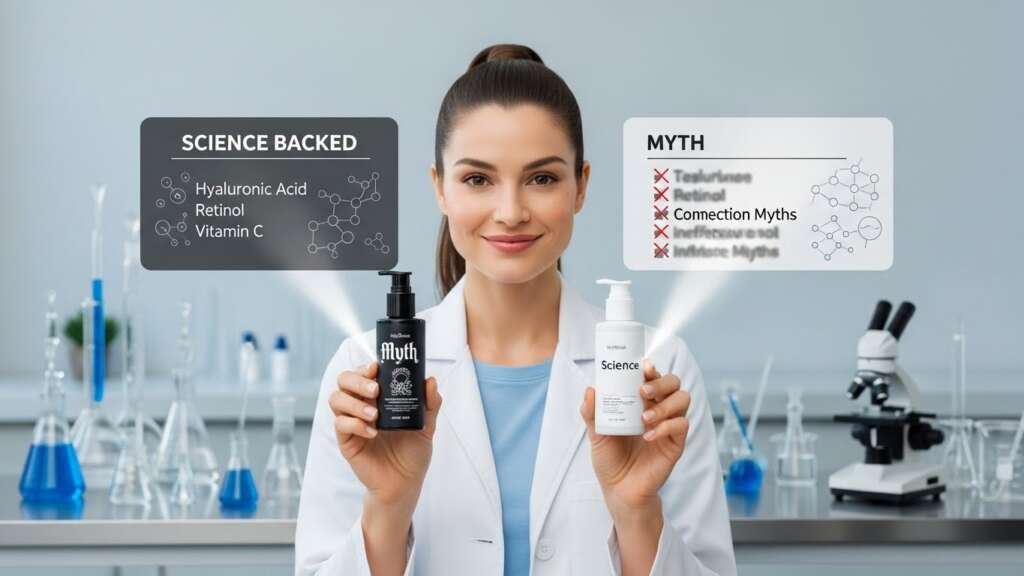
Marketing often exaggerates claims. Evidence based skincare ingredients allow us to distinguish fact from fiction:
- Myth: Natural ingredients always work better than synthetic ones.
- Science: Many synthetic proven skincare actives like retinol outperform natural alternatives in clinical studies.
- Science: Many synthetic proven skincare actives like retinol outperform natural alternatives in clinical studies.
- Myth: Higher concentration equals better results.
- Science: Concentration must match skin tolerance; too high can cause irritation without faster results.
- Science: Concentration must match skin tolerance; too high can cause irritation without faster results.
- Myth: Combining multiple actives always accelerates improvement.
- Science: Incorrect combinations can reduce efficacy and increase irritation.
- Science: Incorrect combinations can reduce efficacy and increase irritation.
Beginner vs Advanced Active Ingredient Guide
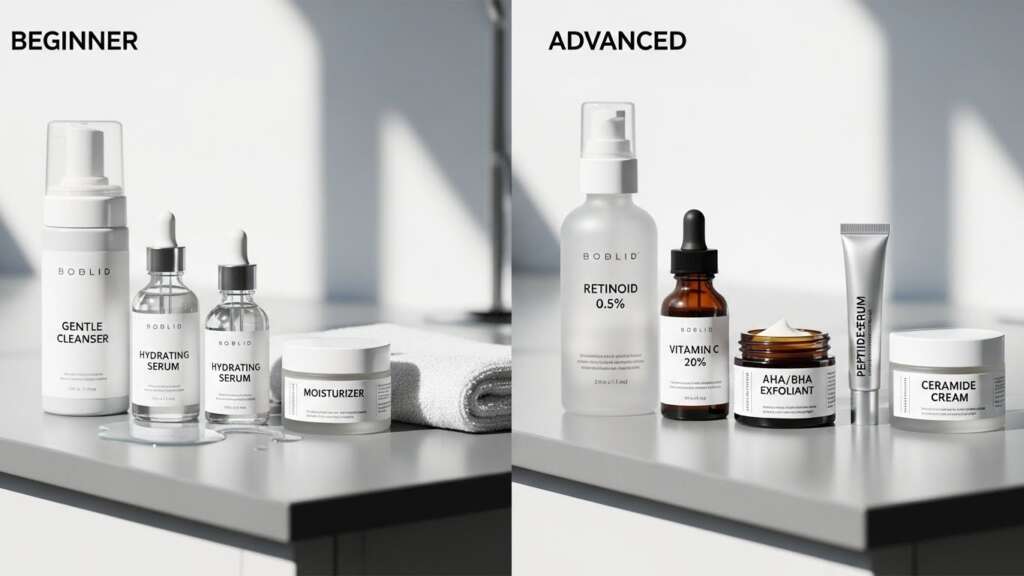
Understanding how to introduce actives is key for effective skincare ingredients usage:
Beginner Level
- Low concentration retinol (0.2–0.5%)
- Niacinamide (2–5%)
- Hyaluronic acid and ceramides for hydration
Advanced Level
- Retinol (0.5–1%) with peptides
- Combination of AHAs/BHAs for resurfacing
- Layering vitamin C, azelaic acid, and peptides based on skin goals
Tip: Start slow, monitor skin response, and build a science based skincare routine gradually.
How Long Ingredients Take to Show Results
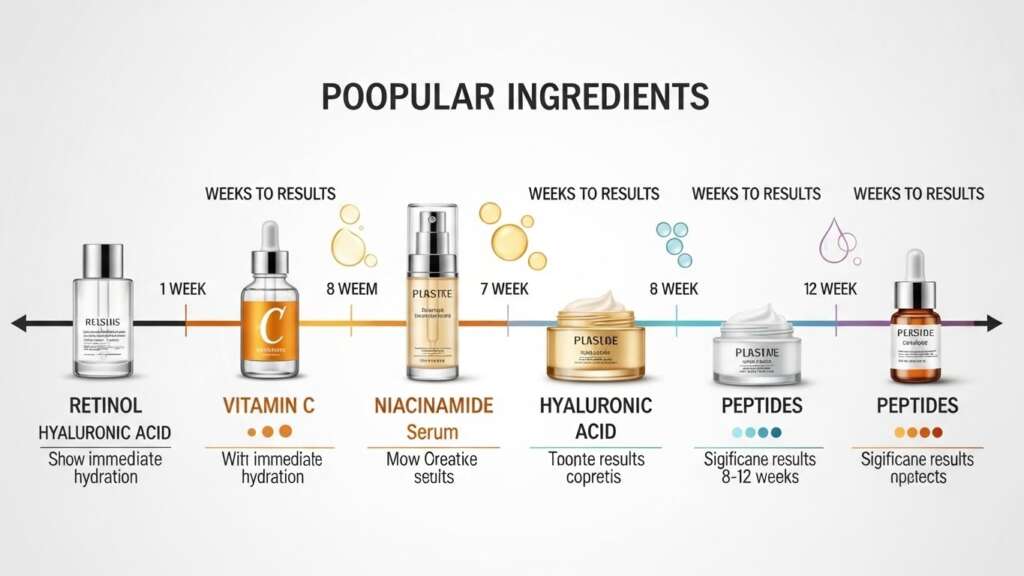
One of the most searched questions in science backed skincare is timing:
| Ingredient | Average Visible Result Timeline | Notes |
| Retinol | 8–12 weeks | Early dryness; progressive improvement |
| Niacinamide | 4–8 weeks | Barrier improvement and redness reduction |
| Vitamin C | 6–12 weeks | Brightening and spot fading |
| AHAs/BHAs | 2–6 weeks | Texture and mild hyperpigmentation |
| Peptides | 8–12 weeks | Fine lines and firmness |
| Ceramides | 2–4 weeks | Moisture retention, barrier support |
| Squalane | Immediate to 2 weeks | Hydration, no long term structural change |
This data helps users manage expectations and maintain consistent adherence.
Advanced Anti-Aging Strategies Using Proven Skincare Actives
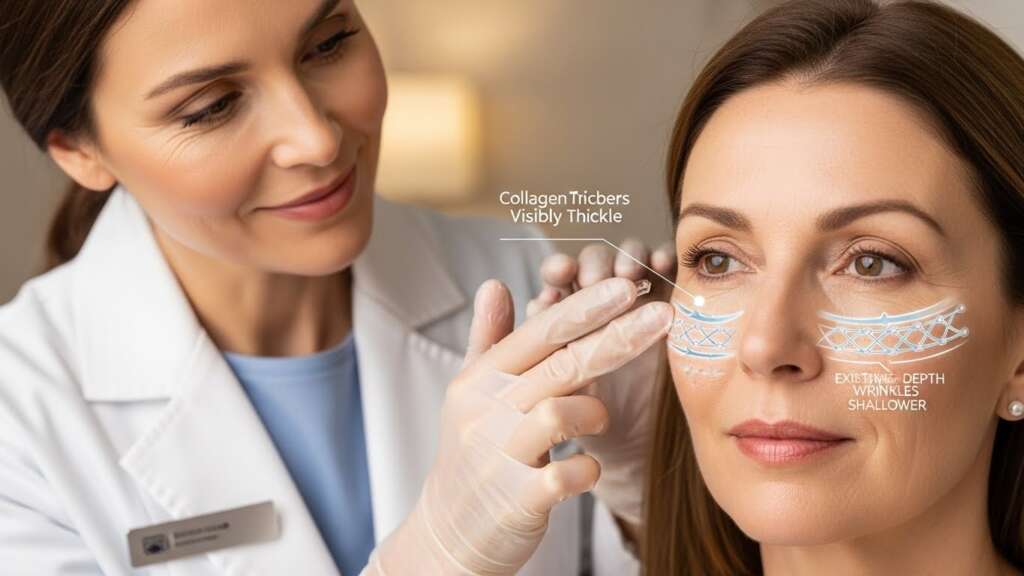
Aging skin requires targeted care using clinically proven skincare ingredients that stimulate collagen, improve elasticity, and reduce fine lines. Key strategies include:
Layering Retinol and Peptides
- Retinol triggers collagen synthesis and accelerates cellular repair.
- Peptides act as messengers to support skin’s natural repair mechanisms.
- Using them together (retinol at night, peptides immediately after) improves long term efficacy without irritation.
Combining Antioxidants
- Vitamin C and ferulic acid reduce oxidative stress caused by UV exposure and pollution.
- This combination supports wrinkle reducing skincare ingredients and maintains skin tone uniformity.
Hydration and Barrier Support
- Using hyaluronic acid, ceramides, and squalane together ensures that moisture retention is maximized and epidermal barrier remains intact.
- This approach is critical to prevent inflammation and premature aging.
Skincare for Acne and Sensitive Skin
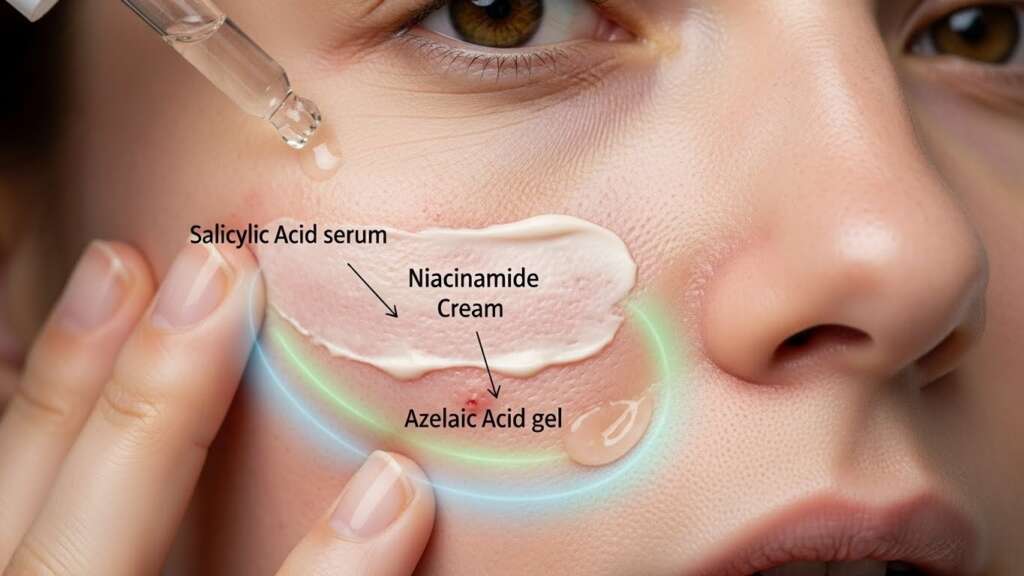
Acne-Fighting Ingredient Combinations
- Salicylic acid (BHA) penetrates pores to reduce sebum buildup.
- Niacinamide decreases redness and inflammation, while supporting barrier repair.
- Azelaic acid calms active lesions and prevents post-inflammatory hyperpigmentation.
Pro Tip: Alternating nights with retinoids and acids reduces irritation while maximizing skincare ingredients efficacy.
Sensitive Skin Considerations
- Prioritize fragrance-free formulations, low concentrations, and dermatologist recommended skincare ingredients.
- Ingredients like ceramides, squalane, and azelaic acid are safe and improve tolerability.
- pH balanced formulations support the skin microbiome, reducing risk of irritation.
Brightening and Hyperpigmentation Solutions
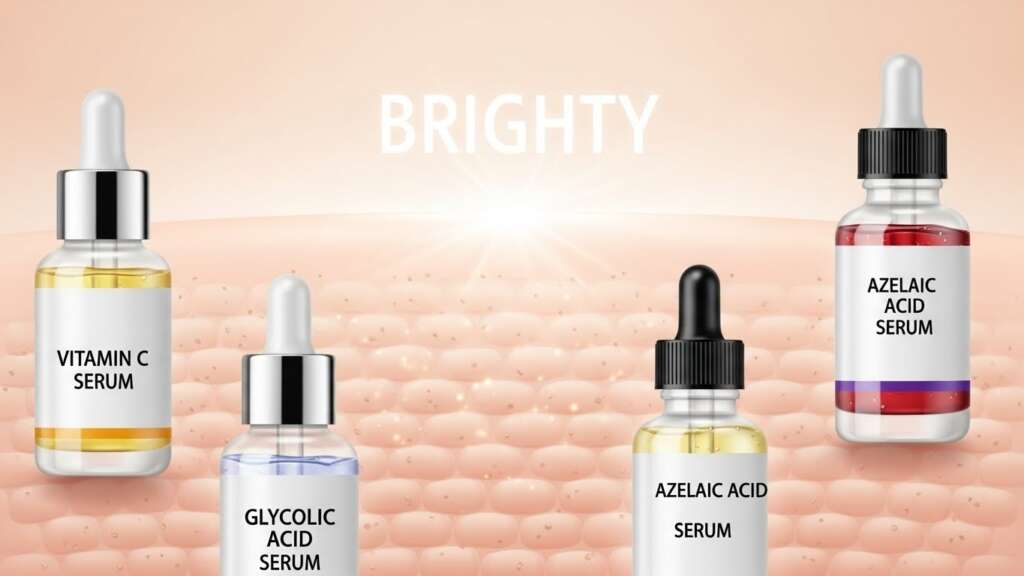
Targeting uneven tone requires evidence based skincare ingredients that are proven in studies:
- Vitamin C: Reduces oxidative stress and brightens dull skin.
- Glycolic Acid (AHA): Promotes cell turnover, improving texture.
- Azelaic Acid: Calms inflammation and decreases pigmentation.
Layering these with moisturizers containing ceramides or squalane maintains barrier function while improving results.
Building a Science Based Skincare Routine
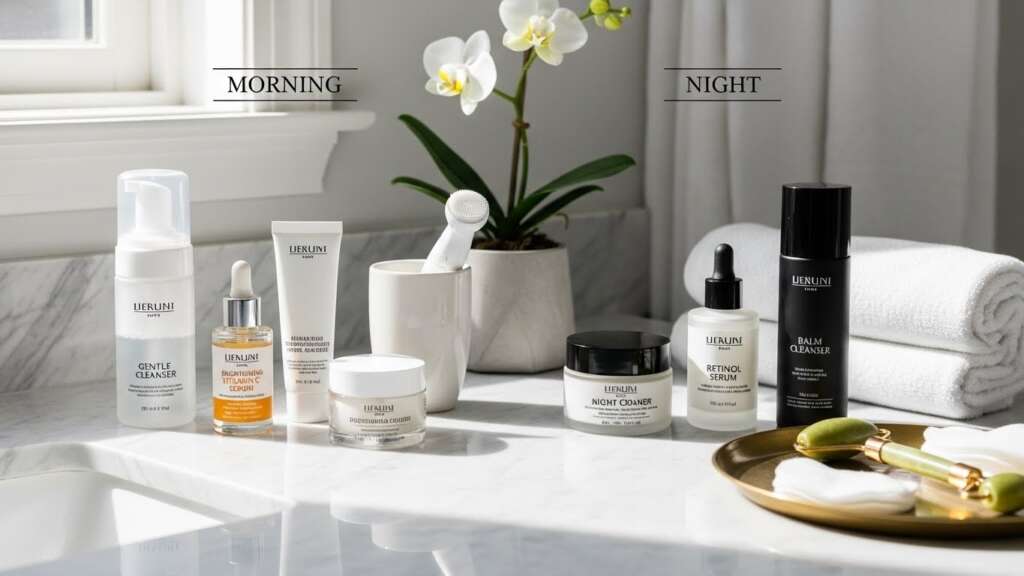
Beginner Routine
- Morning: Vitamin C → Niacinamide → Moisturizer → SPF
- Night: Hyaluronic Acid → Retinol (low %) → Ceramides/Squalane
Intermediate Routine
- Morning: Vitamin C + Ferulic Acid → Niacinamide → Moisturizer → SPF
- Night: Glycolic Acid → Retinol (0.5–1%) → Peptides → Ceramides/Squalane
Advanced Routine
- Morning: Vitamin C + Ferulic Acid → Niacinamide → Zinc Oxide SPF
- Night: Glycolic/Salicylic Acid (alternate nights) → Retinol → Peptides → Barrier support (Ceramides/Squalane)
Tips for Layering:
- Apply from thinnest to thickest texture
- Wait 2–5 minutes between actives to maximize absorption
- Always finish with occlusive barrier creams if needed
Additional Tips for Effective Skincare
- Concentration Matters: Always choose formulations backed by peer reviewed research.
- Consistency is Key: Most actives require 4–12 weeks for visible improvements.
- Packaging & Storage: Opaque, airless bottles provide ingredients greater stability.
- Patch testing: To guarantee tolerance, especially for sensitive skin..
- Avoid Over-Exfoliation: Rotate acids and retinoids to prevent barrier disruption.
Final Thoughts:
To achieve optimal results, integrate science backed skincare ingredients into a routine that is personalized to your skin type, concerns, and tolerance. Focus on:
- Selecting clinically proven skincare ingredients
- Understanding mechanisms of action
- Optimizing timing, concentration, and combinations
- Using dermatologist recommended formulations
- Following evidence based routines consistently
By adhering to these principles, your skin will benefit from effective, research-backed actives, ensuring long-term health, hydration, and visible improvement in aging, acne, and pigmentation concerns.
FAQS
Q1: What are the four most science-backed skincare ingredients?
The four skincare ingredients most consistently supported by clinical research are Retinol, Vitamin C, Niacinamide, and Hyaluronic Acid. Retinol is highly effective for anti-aging, Vitamin C brightens the skin and provides antioxidant protection, Niacinamide supports barrier repair and reduces inflammation, and Hyaluronic Acid delivers deep hydration to maintain healthy skin.
Q2: What is the 1% rule in skincare?
The 1% rule refers to the minimal effective concentration of active ingredients, such as acids or retinol, that provides scientifically proven results without irritating the skin. This guideline ensures that products are both safe and effective for regular use.
Q3: What is the skincare 4-2-4 rule?
The 4-2-4 rule is a guideline for using active skincare ingredients safely and effectively. It suggests applying actives four times per week, taking two days of rest for sensitive skin, and evaluating the results over a four-week period. Following this rule maximizes benefits while minimizing the risk of irritation.
Q4: What ingredients are in proven skincare?
Proven skincare actives include Retinoids, Niacinamide, Vitamin C, Peptides, Ceramides, Salicylic Acid, AHAs/BHAs, Azelaic Acid, Zinc Oxide, Hyaluronic Acid, and Squalane. Each ingredient has strong backing from clinical studies, dermatological research, and long-term efficacy trials, making them trusted choices for effective skincare routines.