


Introduction
ordinary niacinamide refers to a widely recognized skincare formula built around Niacinamide 10% + Zinc 1%, a water-based serum designed to support clearer, smoother, and more balanced skin. As a form of Vitamin B3, niacinamide plays an essential role in maintaining skin barrier strength, regulating oil production, and improving overall texture.
In 2026, skincare users are increasingly focused on ingredient transparency, barrier repair, and minimal yet effective routines. This serum fits into that shift by offering targeted support for blemishes, pores, breakouts, and uneven tone without overwhelming the skin.
People search for this ingredient for many reasons: reducing redness, managing acne-prone skin, improving hydration levels, or simply understanding how niacinamide works in a daily skincare routine. In this pillar guide, we will explore the science behind niacinamide, how Zinc PCA enhances its performance, the emotional impact of clearer skin, and what makes this formula widely discussed in modern dermatology-focused skincare conversations.
What Is Niacinamide (Vitamin B3 / Nicotinamide)?

Niacinamide, also known as Vitamin B3 or Nicotinamide, is a water-soluble vitamin used in topical dermatology for its multi-functional skin benefits. Unlike harsh exfoliating acids, niacinamide works by supporting the skin’s internal processes rather than stripping its surface.
It contributes to:
- Strengthening the skin barrier
- Improving hydration retention
- Supporting sebum regulation
- Calming visible redness
- Enhancing skin radiance
Because it is generally well tolerated, it is often recommended for oily, combination, and acne-prone skin types. Dermatology research shows that topical niacinamide can help improve barrier function by increasing ceramide production, which plays a vital role in protecting against moisture loss.
The version commonly associated with The Ordinary Niacinamide 10% + Zinc 1% contains a higher concentration than many traditional moisturizers, making it a targeted treatment serum rather than a basic hydrating product.
How Niacinamide Works on the Skin
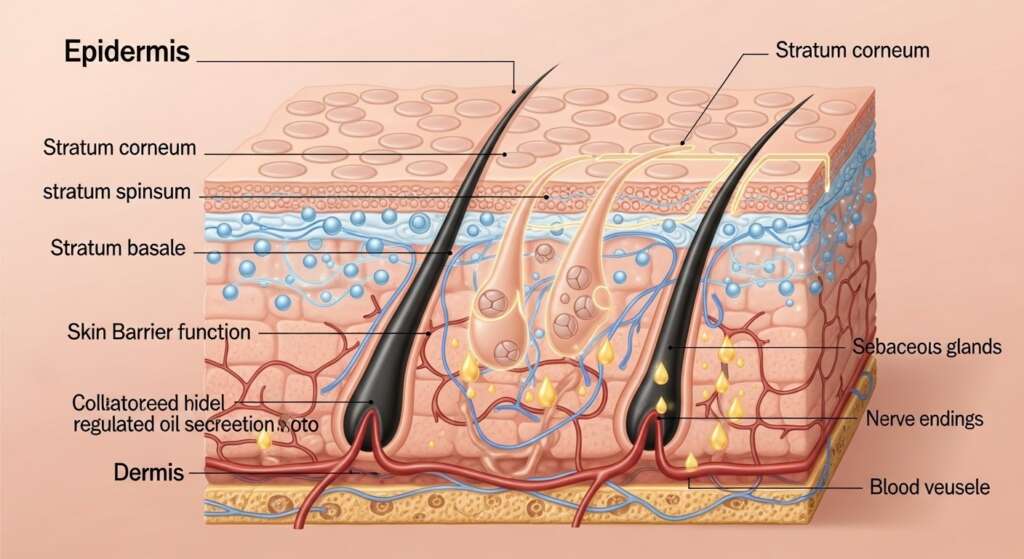
To understand why niacinamide serum for skin is so widely discussed, it helps to understand its mechanism.
- Sebum Production Control
Niacinamide helps regulate oil output from sebaceous glands. Excess oil can contribute to clogged pores and breakouts. By balancing oil rather than eliminating it, skin appears more refined. - Anti-inflammatory Support
Niacinamide has calming properties. It can reduce redness associated with acne and irritation, making it helpful for anti-acne skincare routines. - Barrier Function Improvement
A healthy skin barrier prevents water loss and shields against environmental stress. Niacinamide enhances hydration levels by improving the barrier’s structure. - Texture Refinement
Over time, consistent use may improve visible roughness, helping achieve smoother texture and better light reflection.
This combination of oil control, barrier repair, and anti-inflammatory support explains why many people researching niacinamide benefits are seeking a balanced solution rather than aggressive treatment.
The Role of Zinc PCA in the Formula

The inclusion of Zinc PCA adds another functional layer to Niacinamide 10% + Zinc 1%.
Zinc PCA is commonly associated with:
- Oil regulation
- Antimicrobial support
- Redness reduction
- Supporting acne-prone skin
When paired with niacinamide and zinc PCA, the formulation targets sebum production control while maintaining hydration. This is especially relevant for those with oily vs combination skin types.
The water-based formula allows it to absorb quickly, making it suitable for layering within a daily skincare routine.
Why This Serum Became Widely Discussed
The popularity of this formulation reflects broader skincare trends:
- Ingredient-focused routines
- Minimalist product layering
- Transparency in concentration levels
- Focus on barrier support over harsh exfoliation
Users searching for an ordinary niacinamide review often want to understand whether the concentration is effective and how it compares to other products. The appeal lies in clarity: one key active ingredient, a defined percentage, and a targeted purpose.
In modern skincare conversations, the shift from heavy treatments to barrier-conscious formulas has made Vitamin B3 topical applications a consistent topic of discussion.
Emotional and Psychological Benefits of Clearer Skin

Skincare is not just about the body; it also affects how you feel emotionally.
Visible concerns like enlarged pores, acne marks, and persistent breakouts can affect self-confidence. When individuals adopt structured routines that include non-comedogenic serum formulations, they often report:
- Greater routine consistency
- Improved confidence in social settings
- Reduced anxiety about skin flare-ups
- Stronger sense of daily self-care
While a serum does not change identity or worth, improvements in texture and oil balance can support positive self-perception.
Difference Between a Treatment Serum and a Basic Moisturizer
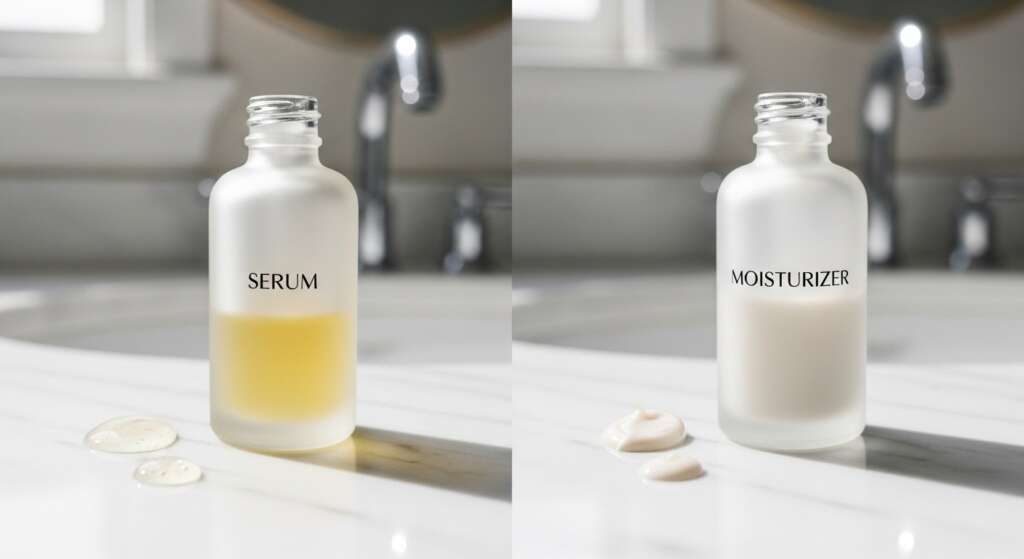
Understanding product categories helps clarify expectations.
| Skin Concern | How Niacinamide Helps | Supporting Action |
| Oily Skin | Controls sebum production | Zinc PCA support |
| Enlarged Pores | Improves elasticity | Texture refinement |
| Acne & Breakouts | Reduces inflammation | Barrier strengthening |
| Uneven Tone | Supports brightening | Melanin balance |
| Dehydrated Skin | Enhances hydration levels | Barrier repair |
A treatment serum like this differs from a moisturizer because:
- It contains higher active concentration
- It targets specific concerns
- It is applied before heavier creams
- It supports skincare layering
Moisturizers focus primarily on sealing hydration. Treatment serums focus on active correction.
Stability, pH, and Formulation Considerations

One area often under-discussed is niacinamide stability.
Niacinamide is generally stable in water-based formulas and performs best in slightly acidic to neutral pH environments. It is less reactive than many exfoliating acids, making it compatible with multiple routines.
However, when layering with strong acids or vitamin C (ascorbic acid), timing and formulation strength can matter. Avoiding vitamin C conflicts often means separating potent actives into different routines if irritation occurs.
Sensitive vs Oily Skin Considerations
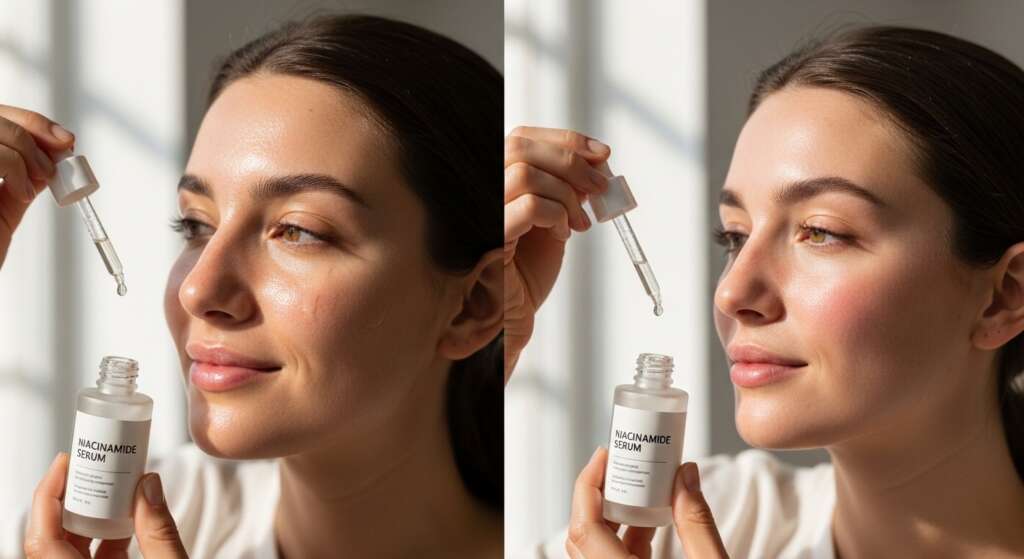
Although commonly recommended for oily skin, niacinamide is not limited to that category.
For oily skin:
- Helps reduce shine
- Supports pore appearance
- Assists in anti-acne skincare
For sensitive skin:
- Supports barrier function
- Reduces visible redness
- May improve tolerance to other actives
For dry skin:
- Enhances hydration retention
- Improves moisture balance when paired with emollients
Understanding these distinctions helps align expectations and prevents overuse.
Side Effects vs Benefits: A Balanced View

Most users tolerate niacinamide well. However, higher concentrations may cause:
- Temporary flushing
- Mild tingling
- Dryness if over-applied
These reactions are usually linked to layering too many actives simultaneously. Introducing gradually within a daily skincare routine often minimizes issues.
Balanced skincare means understanding both strengths and limitations.
1. Improves Oil Control and Sebum Balance
Excess oil coming from the skin is a very common issue people have with their skin. When sebaceous glands produce too much oil, pores can become congested, leading to shine, texture issues, and breakouts.
Niacinamide supports sebum regulation by helping balance oil output rather than eliminating it completely. This matters because healthy skin still needs natural oils for protection.
Who benefits most:
- Oily skin types
- Combination skin
- Acne-prone individuals
Visible timeline:
Many users report reduced shine within 2–4 weeks of consistent use.
The inclusion of Zinc PCA enhances oil regulation by providing additional support for controlling surface shine and calming inflammation.
This balanced oil control often makes skin look more refined without appearing dry or tight.
2. Minimizes the Appearance of Pores
One of the most searched questions is: does niacinamide reduce pore size?
Pores do not physically shrink permanently. However, when oil production is controlled and skin elasticity improves, pores appear smaller and less noticeable.
Niacinamide contributes to:
- Improved elasticity around pore walls
- Reduced congestion
- Smoother skin surface
When texture becomes more even, light reflects more uniformly across the skin, reducing the visibility of enlarged pores.
For individuals researching the best niacinamide concentration for pores, 5% to 10% topical formulas are commonly discussed in dermatology literature as effective ranges.
3. Supports Acne and Breakout Reduction
Breakouts often result from a combination of excess oil, bacteria, inflammation, and impaired barrier function.
Niacinamide addresses several of these pathways at once:
- Anti-inflammatory activity
- Support for barrier repair
- Regulation of oil production
- Reduction in redness
This multi-pathway action explains why many people exploring niacinamide benefits for acne-prone skin include it in anti-acne skincare routines.
It is not a replacement for prescription acne treatment when needed, but it can complement a balanced routine.
Visible improvement in mild breakouts may appear within 4–8 weeks when used consistently.
4. Strengthens the Skin Barrier
Barrier function is central to healthy skin. A compromised barrier leads to:
- Dehydration
- Irritation
- Sensitivity
- Increased breakouts
Niacinamide enhances ceramide production, which supports barrier repair. Stronger barriers retain moisture more effectively and resist environmental stress.
This benefit is especially important for individuals who use exfoliating acids or retinoids. Supporting the barrier allows other active ingredients to work without overwhelming the skin.
Improved hydration levels often translate into softer texture and reduced roughness.
5. Enhances Brightening and Radiance
Uneven tone and dullness are common concerns across skin types.
Niacinamide supports brightening by influencing pigment distribution in the skin. It does not bleach or aggressively exfoliate; instead, it helps regulate melanin transfer.
Benefits include:
- Reduced appearance of acne marks
- Improved skin radiance
- More even tone
People researching niacinamide before and after results often notice subtle but consistent improvements in brightness after 6–8 weeks.
This gradual brightening effect makes it suitable for long-term maintenance rather than rapid correction.
6. Improves Texture and Smoothness
Texture refinement is one of the most appreciated outcomes of consistent use.
Roughness can result from:
- Dehydration
- Oil imbalance
- Micro-inflammation
- Dead skin buildup
Niacinamide helps normalize skin processes, leading to smoother texture over time.
When used in a structured skincare layering routine, particularly before moisturizer, it supports even surface quality.
Texture improvement typically becomes noticeable after one skin cycle, which averages about 28 days in adults.
7. Supports Anti-Aging and Fine Line Care
While not primarily marketed as an anti-aging treatment, niacinamide contributes to long-term skin resilience.
It supports:
- Collagen production pathways
- Reduced oxidative stress
- Improved elasticity
- Strengthened barrier function
These effects may soften the appearance of fine lines over time.
It is especially beneficial when paired with sunscreen during the day, as barrier support enhances skin’s natural defense against environmental stress.
For those comparing niacinamide vs vitamin C, both offer antioxidant-related support, but niacinamide is often better tolerated by sensitive skin types.
Realistic Results Timeline
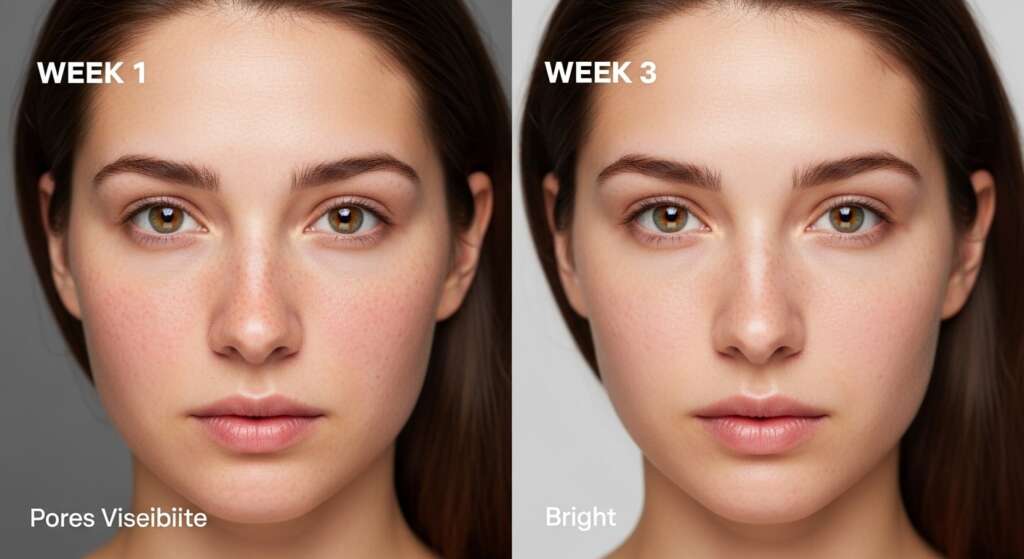
One common search phrase is: niacinamide serum results timeline.
Here is a general guideline:
- 2–4 weeks: Oil balance improvements
- 4–6 weeks: Reduced redness and smoother texture
- 6–8 weeks: Visible improvement in tone and pore appearance
- 8+ weeks: Continued refinement and maintenance
Consistency matters more than frequency. Using moderate amounts once or twice daily often produces better results than over-application.
Who Benefits Most from This Serum?

People searching for what is ordinary niacinamide serum used for often fall into one of these groups:
- Individuals with oily or acne-prone skin
- Those seeking a gentle brightening option
- People repairing a damaged barrier
- Users wanting a non-comedogenic serum
Because it is water-based, it layers well under moisturizer and sunscreen, making it adaptable to different routine styles.
A Balanced Perspective
While many online discussions frame it as the best niacinamide serum, skincare is individual. Effectiveness depends on:
- Skin type
- Routine compatibility
- Concentration tolerance
- Consistency
A calm, measured approach produces better long-term outcomes than chasing rapid transformation.
How to Use ordinary niacinamide Properly
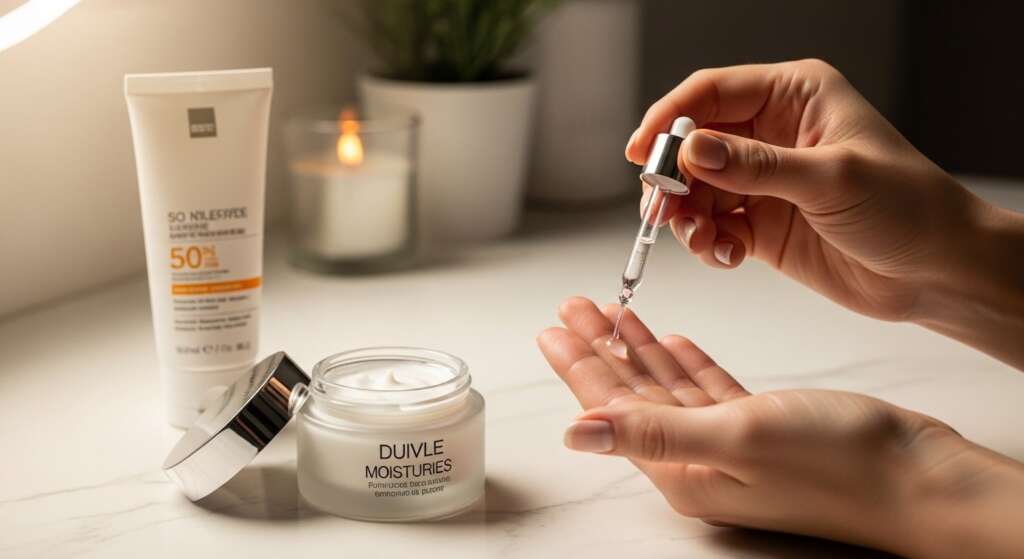
Understanding benefits is only part of the equation. Correct usage determines whether results appear gradually and safely.
Most people searching for ordinary niacinamide want practical clarity: when to apply it, how much to use, and what to combine it with.
When to Apply It
This water-based serum is typically applied:
- After cleansing
- Before heavier creams or oils
- Before sunscreen in the morning
It can be used once or twice daily depending on tolerance.
Morning use helps regulate oil throughout the day. Evening use supports overnight barrier repair. Many people choose both, but starting once daily allows skin to adjust.
How Much to Use
A small amount is sufficient.
- 2–3 drops for the entire face
- Spread evenly without rubbing aggressively
- Allow absorption before layering
Over-application does not increase effectiveness and may cause mild irritation.
Skincare Layering Tips
Niacinamide is considered versatile in skincare layering.
It pairs well with:
- Hyaluronic acid
- Ceramide-based moisturizers
- Peptides
- Sunscreen
When combining with stronger actives, caution matters.
Niacinamide vs Vitamin C

A common question is whether these ingredients conflict.
Modern formulations are generally compatible. However, if irritation occurs:
- Use vitamin C in the morning
- Use niacinamide in the evening
Separating routines can minimize sensitivity for reactive skin types.
Layering With Retinoids and Acids
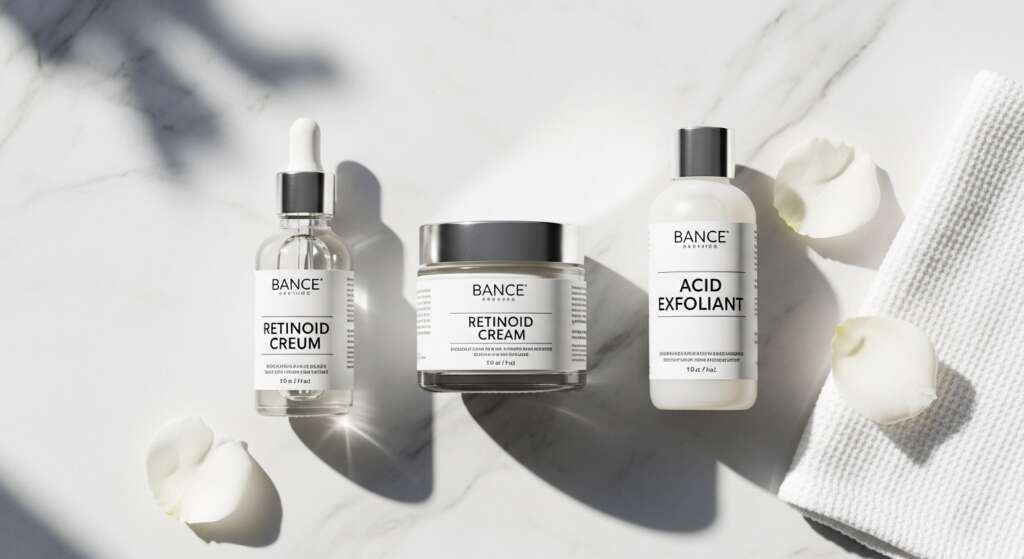
Another under-discussed topic is combining niacinamide with retinoids or exfoliating acids.
Niacinamide can actually support barrier recovery when using:
- Retinol
- AHAs
- BHAs
However, if dryness develops:
- Reduce frequency
- Increase moisturizer support
- Avoid stacking too many actives at once
Balanced routines are more effective than aggressive ones.
Niacinamide Stability and pH Considerations

Niacinamide is relatively stable and performs best in slightly acidic to neutral pH environments. Unlike some actives, it does not easily degrade under normal skincare conditions.
This stability contributes to its popularity in daily skincare routines, especially among those seeking reliable, long-term support rather than reactive treatments.
How Long Until Visible Results?
The niacinamide serum results timeline varies by concern.
- Oil control: 2–4 weeks
- Texture refinement: 4–6 weeks
- Tone improvement: 6–8 weeks
- Long-term barrier strengthening: ongoing
Consistency is more important than intensity. Sustainable improvement happens gradually.
Who Searches for This Ingredient?

Search behavior around niacinamide typically falls into three groups:
- Informational Intent
People asking:
- What is ordinary niacinamide serum?
- Benefits of niacinamide for skin?
- Can niacinamide reduce acne scars?
- Comparative Intent
People researching:
- Niacinamide vs vitamin C
- Ordinary niacinamide vs other serums
- Best niacinamide concentration for pores
- Routine Optimization Intent
People wanting clarity on:
- How to use niacinamide serum daily
- Skincare layering order
- Sensitive vs oily skin suitability
Understanding this intent highlights why education matters more than hype.
Emotional and Psychological Impact

Skincare routines often serve as structured daily rituals.
A consistent routine can:
- Provide a sense of control
- Encourage mindful self-care
- Support confidence
- Reduce anxiety about unpredictable breakouts
Clearer texture and balanced oil production can subtly improve social comfort and self-perception. While no serum defines self-worth, thoughtful skincare can reinforce positive habits.
Final Thoughts:
Niacinamide remains one of the most versatile and research-supported skincare ingredients available today. Its ability to regulate oil, strengthen the skin barrier, improve texture, and support brightening makes it adaptable across multiple skin types.
When used consistently within a balanced routine, it contributes to gradual, sustainable improvement rather than rapid but unstable results. Understanding how it works, how to layer it properly, and what realistic timelines look like allows users to make informed skincare decisions.
Frequently Asked Questions
What is ordinary niacinamide serum used for?
It is commonly used to support oil balance, reduce the appearance of pores, improve skin texture, and strengthen the skin barrier. It may also help reduce visible redness and brighten uneven tone over time.
Does niacinamide reduce pore size permanently?
No ingredient permanently shrinks pores. However, niacinamide can reduce excess oil and improve elasticity, which makes pores appear smaller and less noticeable.
Can I use niacinamide every day?
Yes, most people can use it once or twice each day. Starting with once daily helps determine tolerance before increasing frequency.
Is niacinamide good for acne-prone skin?
Yes, it supports sebum regulation and has anti-inflammatory properties, making it suitable for acne-prone skin. It is often included in balanced anti-acne skincare routines.
What concentration of niacinamide is effective?
Concentrations between 5% and 10% are commonly used in topical formulations. Higher percentages are not always better and may increase the risk of irritation for sensitive skin types.
How long does niacinamide take to show results?
Initial oil balance changes may appear within a few weeks. More visible improvements in tone and texture typically require 4–8 weeks of consistent use.
Can I use niacinamide with vitamin C?
In most modern routines, yes. If irritation occurs, consider using vitamin C in the morning and niacinamide in the evening.