

Introduction
Starting your day with mindfulness can be as simple as taking a moment for your skin. Just as morning blessings, gratitude, and positivity set the tone for a fulfilling day, incorporating natural skincare ingredients into daily routines nurtures both the body and mind. These ingredients are more than cosmetic—they soothe, protect, and repair, while providing a subtle sense of calm and self-care.
In this section, we explore the foundation and meaning of natural skincare ingredients, uncover their emotional and mental benefits, and examine their cultural and modern relevance. You’ll also learn how botanical extracts and plant-based compounds differ from one another, and why understanding these distinctions is essential for creating a balanced, healthy skincare routine. By the end, you’ll have a clear understanding of why these ingredients matter and how they can support both your skin’s health and your daily sense of well-being.
Understanding Natural Skincare Ingredients and Their Benefits
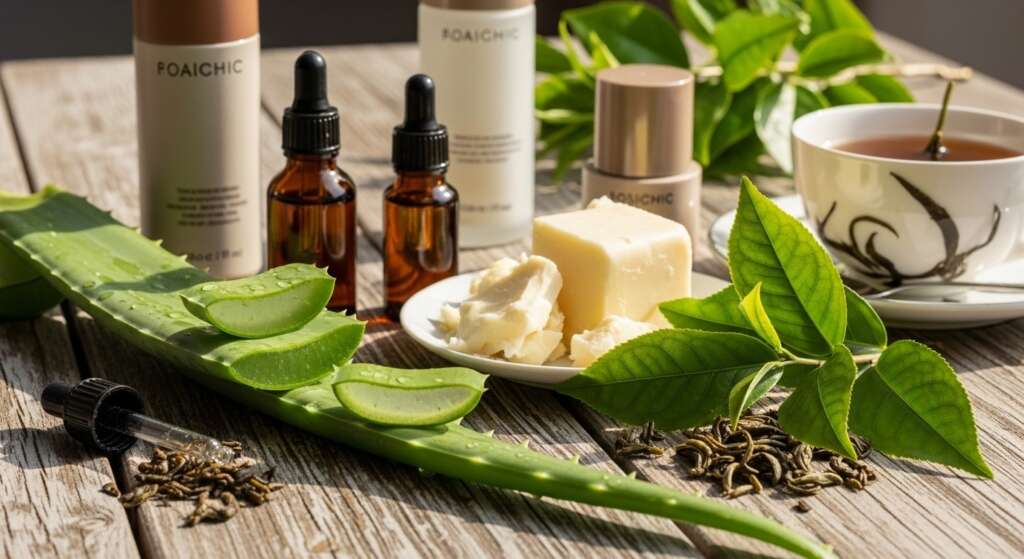
Natural skincare ingredients have long been celebrated for their ability to enhance skin health while minimizing exposure to harsh chemicals. Natural, skincare, ingredients are derived from plants, herbs, and naturally occurring compounds, offering a gentler approach to maintaining a healthy complexion. From hydration and repair to antioxidant and anti-inflammatory support, these ingredients form the foundation of many modern skincare routines.
Using natural ingredients is more than just a cosmetic choice; it’s an opportunity to cultivate daily wellness and mindfulness. Incorporating botanical extracts into your skincare routine can help soothe irritated skin naturally, moisturize and protect the skin barrier, and reduce fine lines and wrinkles. People often associate these rituals with emotional benefits, such as enhanced relaxation, a sense of self-care, and an uplifted mood, making them a subtle form of daily motivation.
Emotional and Mental Benefits

The practice of integrating plant-based skincare into daily routines can have profound emotional effects. Many users report that caring for their skin with organic skincare ingredients fosters a sense of calm, mindfulness, and positivity. Activities like gently applying a serum, balm, or moisturizer provide a moment of reflection, much like starting the day with morning blessings or gratitude practices. Over time, these rituals can help reduce stress and improve overall mental well-being while supporting the physical health of the skin.
Cultural and Modern Relevance
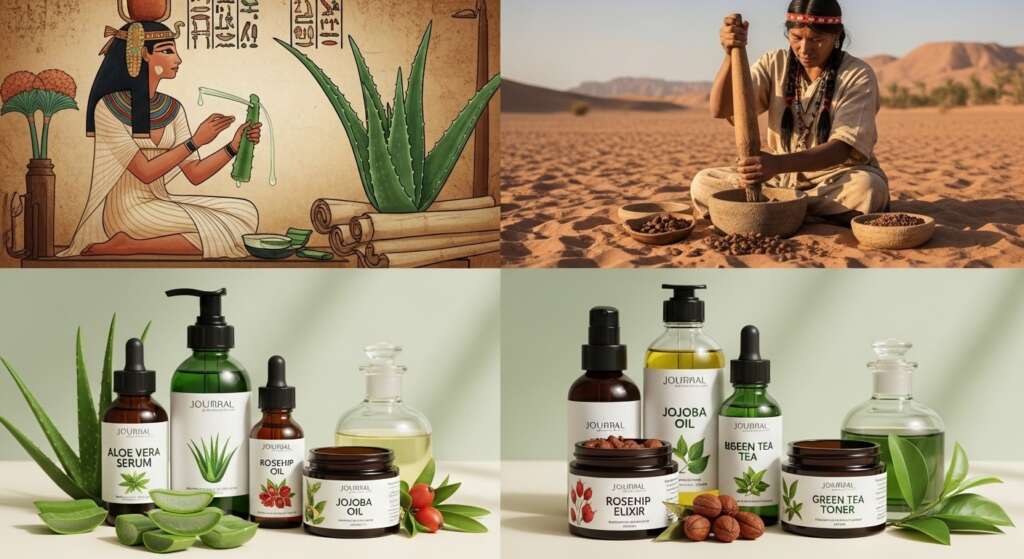
Historically, humans have relied on natural compounds for skincare, from aloe vera in ancient Egypt to jojoba oil used by indigenous communities in the Americas. Modern science now supports many of these practices, confirming the benefits of natural antioxidants, vitamins, and anti-inflammatory compounds. Today, a skincare routine using natural ingredients is widely recommended for its ability to nurture sensitive skin, support the skin microbiome, and protect against environmental stressors such as pollution and UV exposure.
Difference Between Ingredients, Extracts, and Compounds
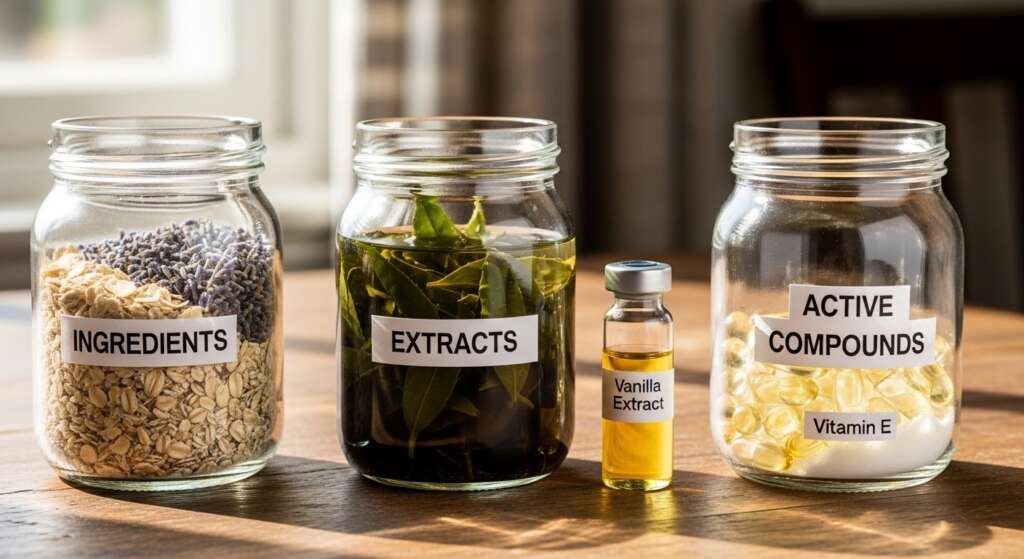
Understanding the distinctions between different types of natural compounds is essential for effective skincare:
- Ingredients: Whole plant or herbal components added directly to products, e.g., shea butter or oats.
- Extracts: Concentrated substances obtained from natural sources, often more potent, e.g., green tea extract or rosehip oil.
- Active Compounds: Specific molecules that deliver measurable skin benefits, e.g., polyphenols, vitamins C & E, flavonoids.
Recognizing these differences helps users make informed choices for gentle skincare ingredients, enhancing both efficacy and safety.
Key Benefits of Popular Natural Skincare Ingredients
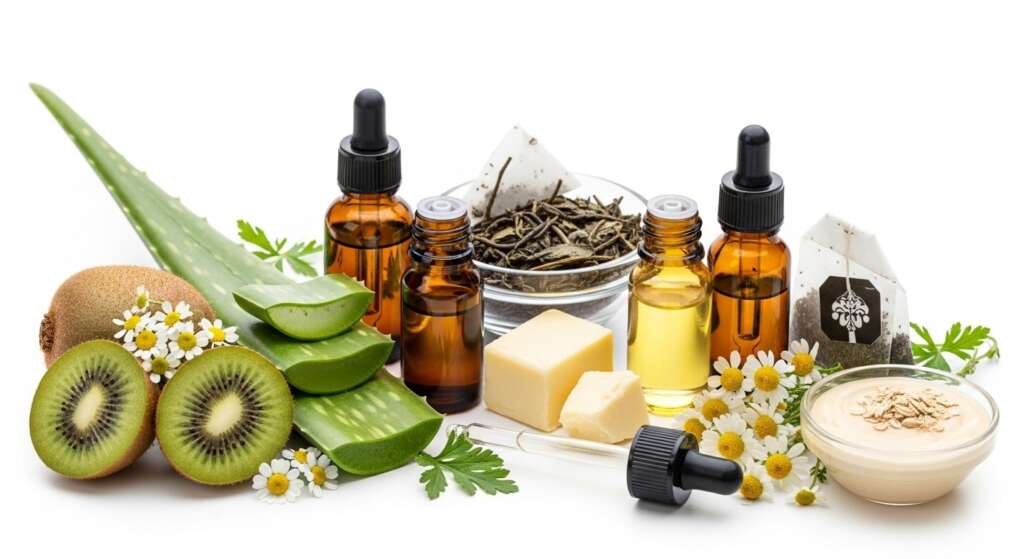
Below is a summary table highlighting some of the most impactful botanical ingredients commonly used in modern routines:
| Ingredient Type | Key Benefits | Ideal Use |
| Aloe Vera | Soothes irritated skin naturally, hydrates | Moisturizer, serum |
| Jojoba Oil | Moisturizes and protects skin barrier | Night cream, balm |
| Shea Butter | Reduces fine lines and wrinkles, supports skin repair | Body lotion, face mask |
| Green Tea Extract | Rich in antioxidants and vitamins, anti-inflammatory | Serum, cleanser |
| Rosehip Oil | Supports skin microbiome, nourishes skin | Night oil, face serum |
| Oat Extract | Gentle care, anti-inflammatory | Cleanser, moisturizer |
| Vitamin E | Antioxidant defense, skin protection | Serum, balm |
| Chamomile | Reduces redness, soothes skin | Toner, face mask |
| Feverfew | Calms sensitive skin | Creams, serums |
| Kiwi / Blackberry Extracts | Provides vitamins, supports healthy complexion | Moisturizer, serum |
Integration Into Daily Routines
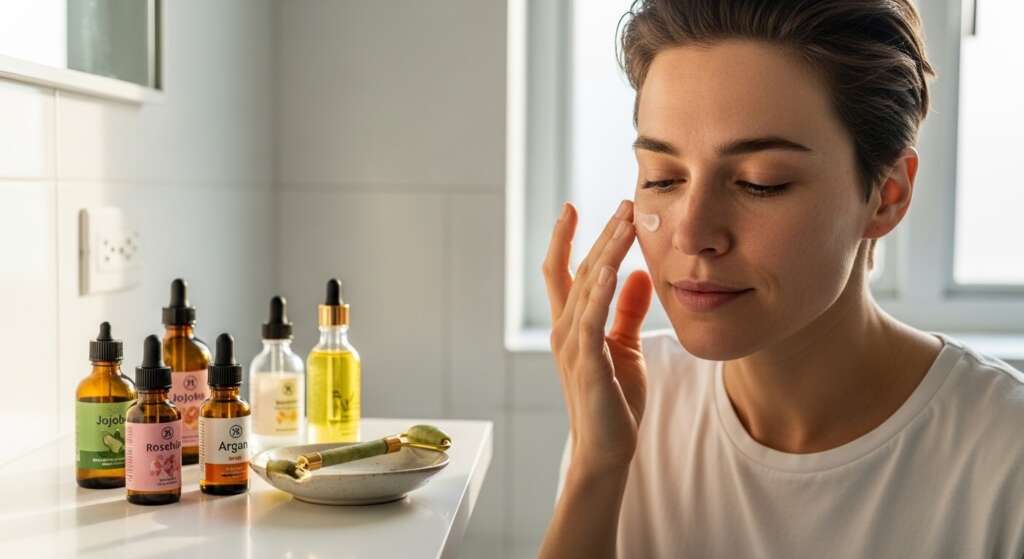
A well-rounded skincare routine using natural ingredients balances hydration, protection, and repair:
- Cleanse gently: Use oat extract or chamomile-based cleansers to remove impurities without irritation.
- Moisturize: Apply shea butter, jojoba oil, or aloe vera to lock in hydration.
- Targeted treatment: Incorporate antioxidant-rich serums like green tea or vitamin E for protection and repair.
- Optional calming layer: Use chamomile or feverfew for sensitive or reactive skin.
These steps not only support skin barrier function but also provide subtle emotional benefits, enhancing self-care rituals that reinforce positivity and mindfulness.
Practical Benefits Highlight
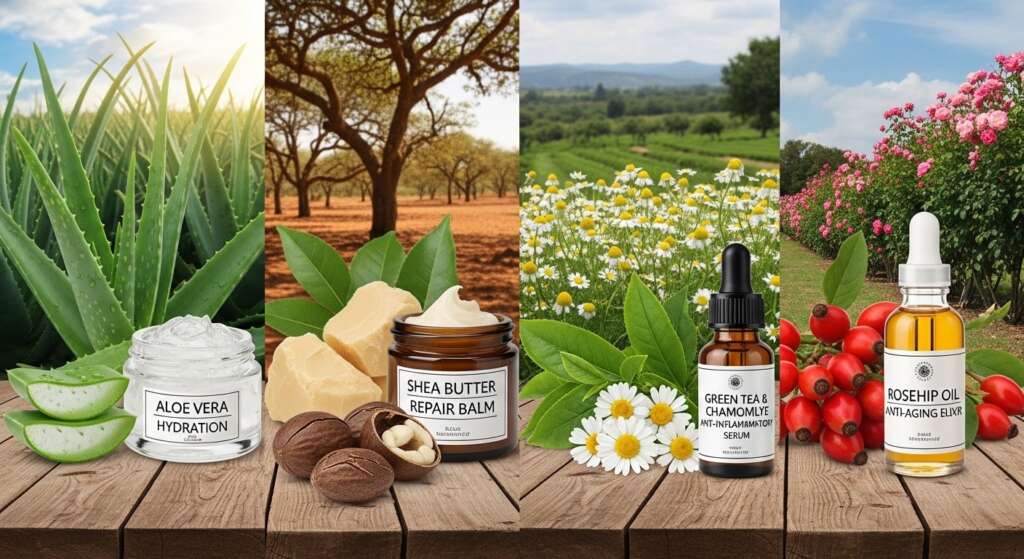
- Hydration: Ingredients like aloe vera and jojoba oil maintain skin moisture.
- Repair and protection: Shea butter and vitamin E support barrier repair and reduce oxidative stress.
- Anti-inflammatory: Chamomile, green tea extract, and oat extract soothe redness and irritation.
- Anti-aging: Rosehip oil and polyphenols help minimize fine lines and promote elasticity.
- Microbiome support: Natural compounds maintain healthy skin flora, contributing to a balanced complexion.
Top 10 Natural Skincare Ingredients for Daily Use
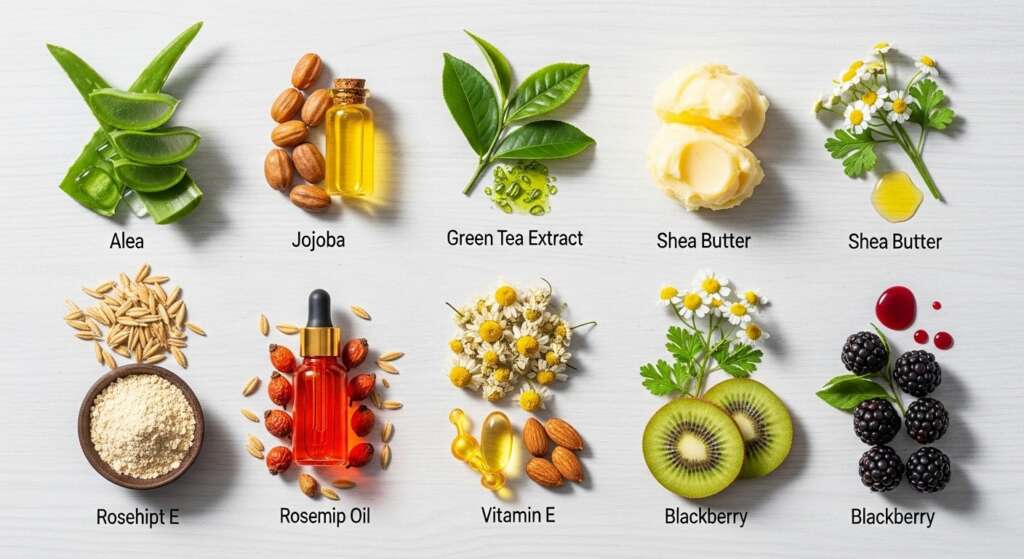
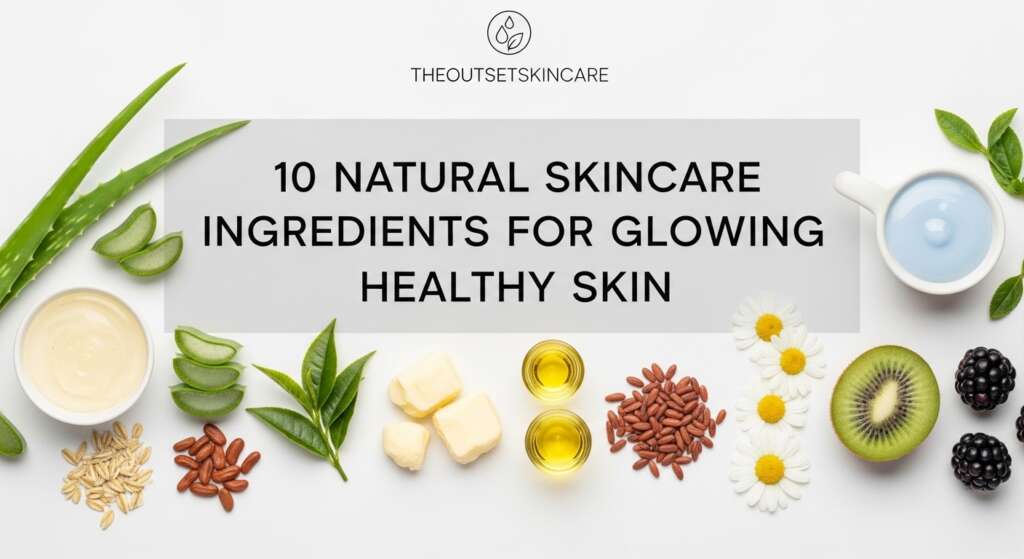
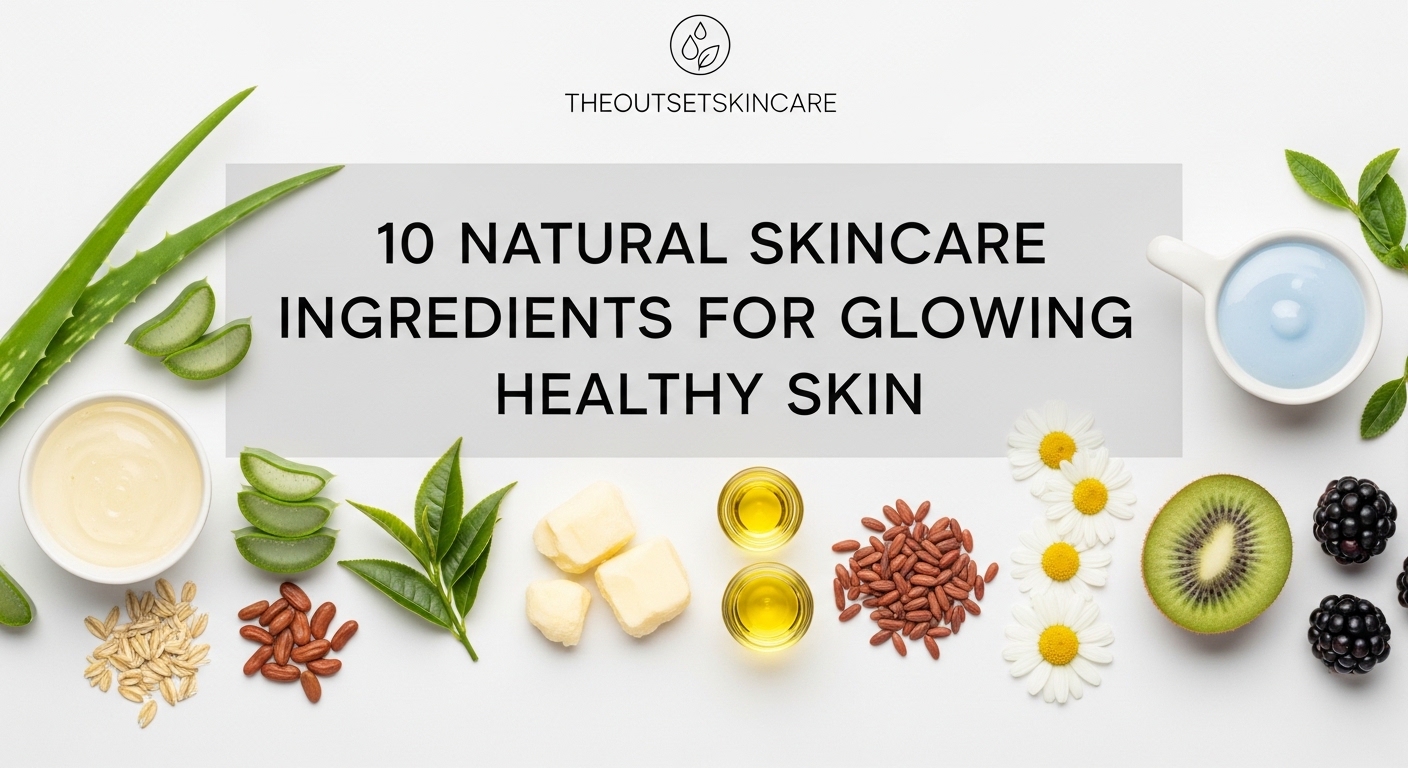
Building on the foundation of natural skincare ingredients, this section highlights the top ten botanicals and compounds that can be incorporated into everyday routines. Each ingredient is explained in terms of benefits, practical usage, and inspirational self-care context, ensuring the content remains informational, shareable, and uplifting.
1. Aloe Vera
- Benefits: Soothes irritated skin naturally, hydrates, supports skin repair
- Usage: Apply as a moisturizer, serum, or calming gel
- Inspirational context: Like starting the day with a moment of calm, aloe vera provides gentle care and relief for your skin
2. Jojoba Oil
- Benefits: Moisturizes and protects the skin barrier, balances oil production
- Usage: Use as a night cream, facial balm, or mixing with serums
- Inspirational context: Encourages
3. Shea Butter
- Benefits: Reduces fine lines and wrinkles, promotes repair, deeply moisturizing
- Usage: Body lotion, face mask, or hand cream
- Inspirational context: Like taking
4. Green Tea Extract
- Benefits: Rich in antioxidants and vitamins, anti-inflammatory, protects against oxidative stress
- Usage: Serums, cleansers, or toners
- Inspirational context: Supports mindful skincare routines, reflecting the calming energy of a peaceful morning
5. Rosehip Oil
- Benefits: Supports skin microbiome, nourishes, reduces redness and discoloration
- Usage: Night oil, face serum, or gentle massage
- Inspirational context: Encourages reflection on renewal and balance, similar to daily intentions for positivity
6. Oat Extract
- Benefits: Gentle, anti-inflammatory, soothing for sensitive skin
- Usage: Cleansers, moisturizers, or calming masks
- Inspirational context: Represents comfort and nurturing, offering gentle care like a mindful morning start
7. Vitamin E
- Benefits: Antioxidant defense, protects against free radicals, supports barrier repair
- Usage: Serums, balms, or infused moisturizers
- Inspirational context: Acts as a protective layer, much like setting intentions to guard emotional well-being
8. Chamomile
- Benefits: Calms redness, soothes irritated skin, gentle anti-inflammatory
- Usage: Toners, face masks, or infused cleansers
- Inspirational context: Promotes tranquility and peace, aligning with the calming moments of a morning ritual
9. Feverfew
- Benefits: Supports sensitive skin, reduces irritation, anti-inflammatory
- Usage: Creams, serums, or masks
- Inspirational context: Like a daily pause for reflection, it gently balances and restores
10. Kiwi & Blackberry Extracts
- Benefits: Rich in vitamins, antioxidants, and polyphenols; supports a healthy complexion
- Usage: Moisturizers, serums, or facial oils
- Inspirational context: Encourages vibrancy and vitality, mirroring the energy of a positive morning start
Practical Integration Tips

- Layering ingredients: Combine hydrating and antioxidant-rich extracts for maximum effect.
- Daily ritual: Morning or evening routines using natural ingredients support both skin health and emotional balance.
- Seasonal adjustment: Use lighter oils in summer, heavier butters in winter for hydration and comfort.
- Mindful application: Treat skincare as a moment of gratitude and positivity, enhancing overall well-being.
Shareable Skincare Inspiration

These ingredients also provide a source of inspiration for daily routines. Think of each application as a small morning blessing for yourself, reinforcing positivity, hope, and balance. By caring for your skin intentionally, you can cultivate both physical nourishment and a mindful start to your day, much like sharing or receiving uplifting messages.
How to Use Natural Skincare Ingredients
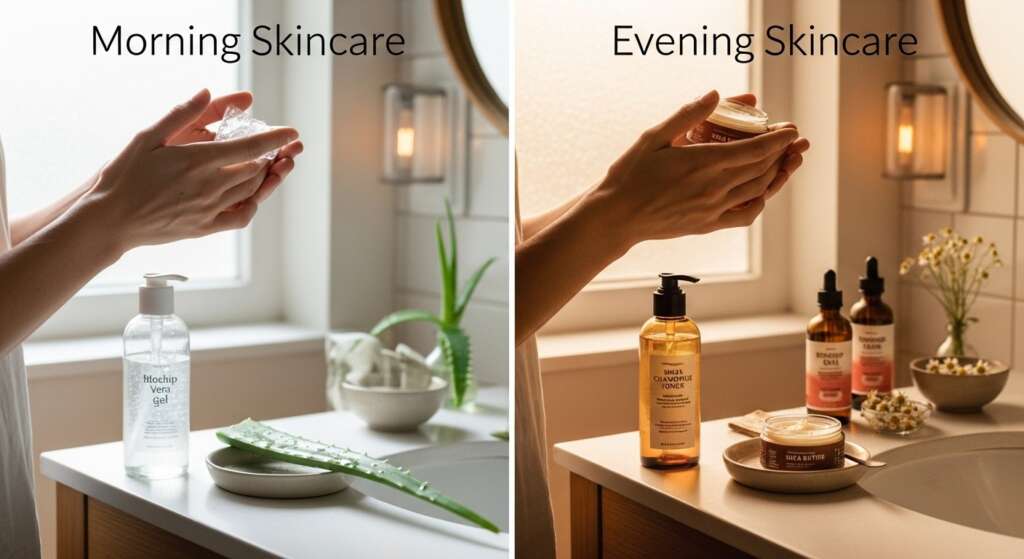
Understanding natural skincare ingredients is only the first step; knowing how and when to use them ensures maximum benefit for your skin while supporting mindful self-care routines. This section provides practical guidance, usage context, and answers common questions in an informational, inspirational, and AdSense-safe format.
Practical Usage Tips
Best Time of Day:
Morning: Hydrating ingredients like aloe vera or jojoba oil can prep and protect skin for the day.
Evening: Repair-focused ingredients like rosehip oil or shea butter work overnight to restore skin.
Layering Ingredients:
Combine lighter extracts (aloe vera, green tea) with richer oils (jojoba, shea butter) for balanced hydration and protection.
Apply antioxidants like vitamin E after cleansing to support barrier repair and reduce oxidative stress.
Combination Benefits:
Using complementary ingredients (e.g., chamomile with oat extract) can enhance anti-inflammatory and soothing effects.
Ingredients rich in vitamins, polyphenols, and antioxidants support both skin health and radiance.
Mindful Application:
Approach skincare as a daily self-care ritual, akin to practicing gratitude or morning mindfulness.
Slow, intentional application helps both skin absorption and emotional well-being.
Who Searches for These Ingredients

- Individuals seeking healthier, plant-based skincare routines
- People with sensitive skin, eczema, or rosacea looking for gentle alternatives
- Readers interested in antioxidant and anti-aging benefits
- Users who enjoy DIY natural skincare, educational content, or wellness practices
Emotional and Psychological Impact
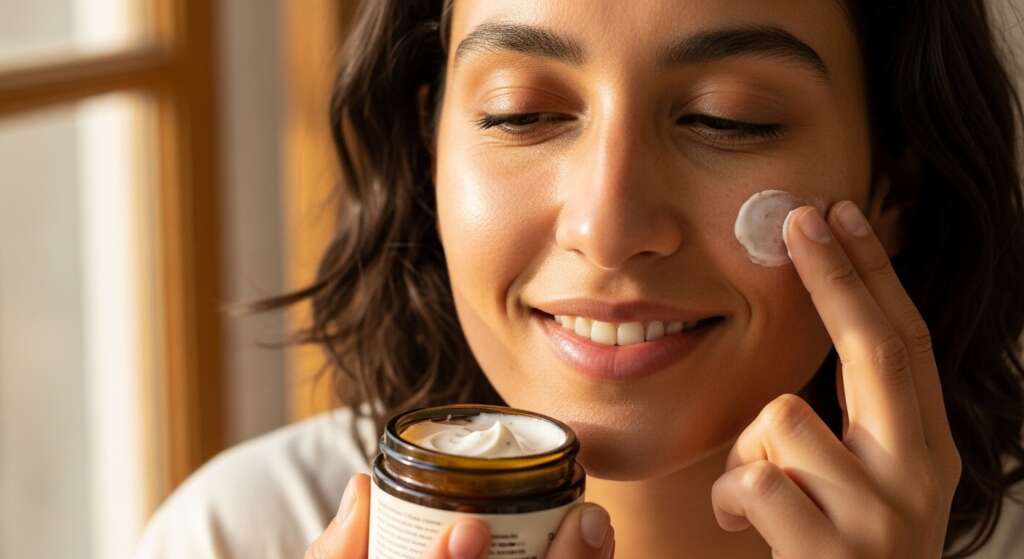
- Incorporating natural ingredients can boost confidence and provide daily moments of calm, similar to taking time for a morning reflection or motivational practice.
- The ritual of applying these ingredients encourages mindfulness, positivity, and self-care, linking physical benefits with emotional uplift.
- Using botanical extracts and gentle moisturizers creates a soothing sensory experience, promoting both mental clarity and relaxation.
Final Thoughts:
Natural skincare ingredients offer a holistic approach to skin health, combining hydration, repair, and protection with emotional benefits. By integrating these ingredients into daily routines, readers can cultivate both physical and mental well-being, creating moments of positivity, calm, and mindful care.
Through understanding ingredient functions, practical usage, and complementary benefits, your skincare routine becomes more than a daily habit—it transforms into an intentional, uplifting ritual that supports a healthy, radiant complexion and a positive mindset.
Frequently Asked Questions
What are natural skincare ingredients?
Natural skincare ingredients are plant-based or naturally derived compounds used to hydrate, protect, and repair the skin without harsh chemicals. Examples are aloe vera, shea butter, and green tea extract.
How do I use aloe vera for my face?
Apply a thin layer of pure aloe vera gel after cleansing. It soothes irritation, hydrates, and supports barrier protection. Use daily, in the morning or evening, depending on your routine.
Are natural ingredients safe for sensitive skin?
Yes, most botanical extracts like chamomile, oats, and jojoba oil are gentle and anti-inflammatory, making them ideal for sensitive or reactive skin. Always patch-test new products or DIY preparations.
Can natural ingredients reduce wrinkles?
Ingredients rich in antioxidants and vitamins (e.g., vitamin E, rosehip oil) help minimize fine lines and improve elasticity, though results vary based on consistency and overall skincare routine.
How often should I apply moisturizing botanical extracts?
For most skin types, apply hydrating oils or balms twice daily—once in the morning and once at night—to maintain optimal moisture and repair. Adjust based on seasonal needs and skin type.