

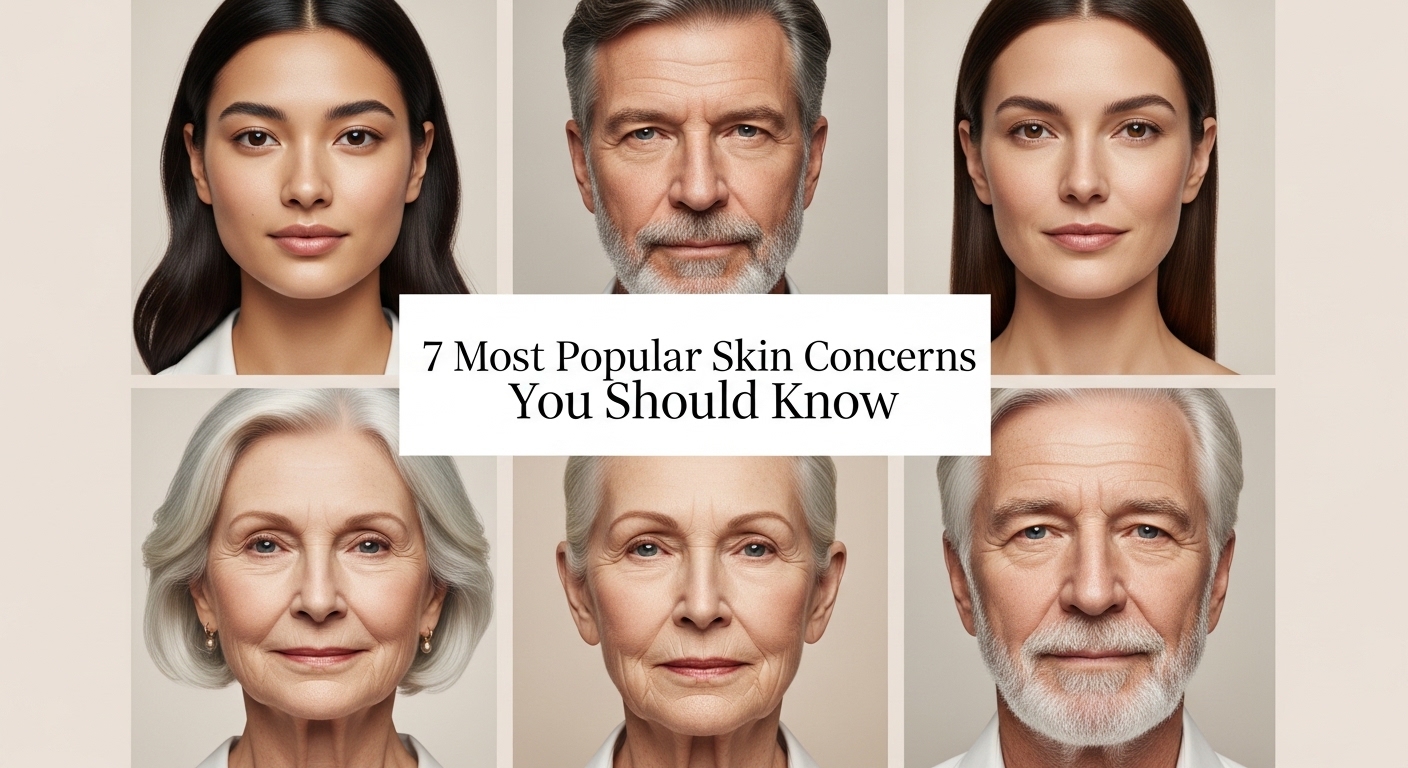
Skin health problems affect people of all ages, skin types, and lifestyles. Whether someone is dealing with breakouts, uneven tone, or early signs of aging, understanding the most popular skin concerns is the first step toward choosing the right care. This section explains what skin concerns are, why they develop, and how different skin types react to them, using dermatologist-aligned information and user-focused explanations.
Understanding Skin Concerns and Why They Matter
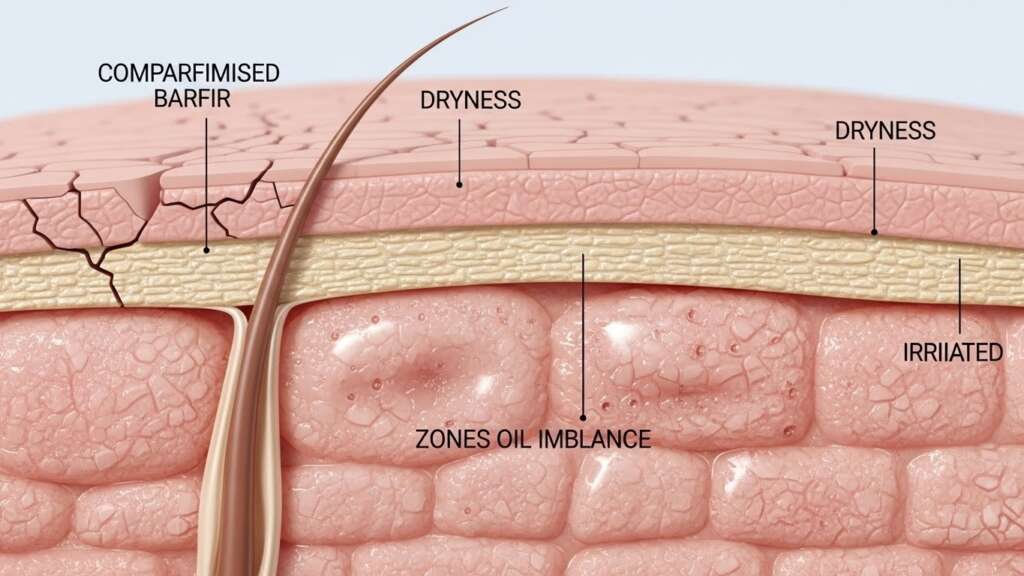
Skin concerns are visible or sensory issues that affect how the skin looks, feels, or functions. These issues may be temporary or long term and often result from a mix of genetics, environment, skincare habits, and internal health factors.
Some common skin problems appear early in life, while others develop gradually. Concerns like acne, oiliness, and enlarged pores often affect teenagers and young adults. Issues such as wrinkles, fine lines, dark spots, and skin aging tend to become more noticeable with time.
Ignoring skin concerns can weaken the skin barrier, affect confidence, and lead to more severe problems like chronic sensitivity, inflammation, or long-lasting pigmentation.
Quick Overview of the Most Common Skin Concerns
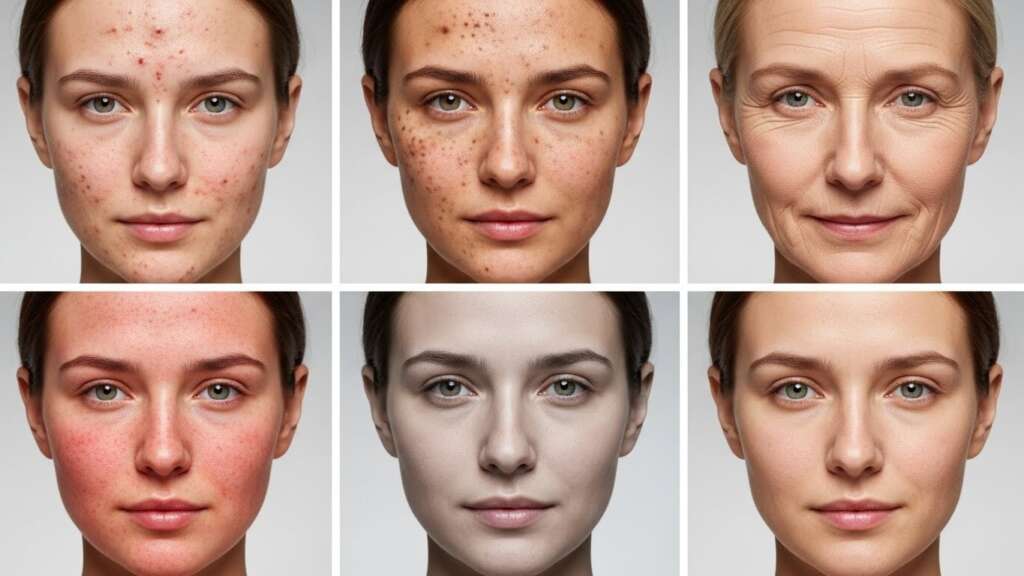
The table below summarizes the most popular skin concerns, their visible signs, and commonly associated causes. This helps readers quickly identify which issues may apply to their skin.
| Skin Concern | Key Symptoms | Common Causes |
| Acne | Pimples, blackheads, whiteheads | Excess sebum production, clogged pores, bacteria |
| Hyperpigmentation | Dark spots, uneven patches | Melanin overproduction, sun exposure |
| Wrinkles | Creases, folds, sagging | Collagen depletion, UV damage |
| Dryness | Flaking, tightness | Weak skin barrier, low hydration |
| Sensitivity | Redness, burning, itching | Inflammation response, barrier damage |
| Dull skin | Tired, rough texture | Slow cell turnover, dehydration |
| Enlarged pores | Visible pores, uneven texture | Oil imbalance, loss of elasticity |
These concerns often overlap. For example, oiliness can exist alongside dryness, and sensitive skin may still experience acne breakouts.
What Are the Most Popular Skin Concerns Across All Skin Types?
When dermatology surveys and skincare usage patterns are analyzed, seven concerns consistently appear worldwide. These most popular skin concerns affect people regardless of gender or age group.
Acne and Breakouts as a Leading Skin Issue

Acne remains one of the most reported common skin problems. It happens when germs, oil, and dead skin cells clog pores. Acne can appear as blackheads, whiteheads, cysts, or inflamed pimples.
Key contributing factors include:
- Increased sebum production
- Hormonal fluctuations
- Poor cleansing habits
- Use of comedogenic products
Different forms such as hormonal acne, fungal acne, and acne scars require different care approaches. This is why understanding what causes acne is essential before choosing treatment options.
Hyperpigmentation and Uneven Skin Tone
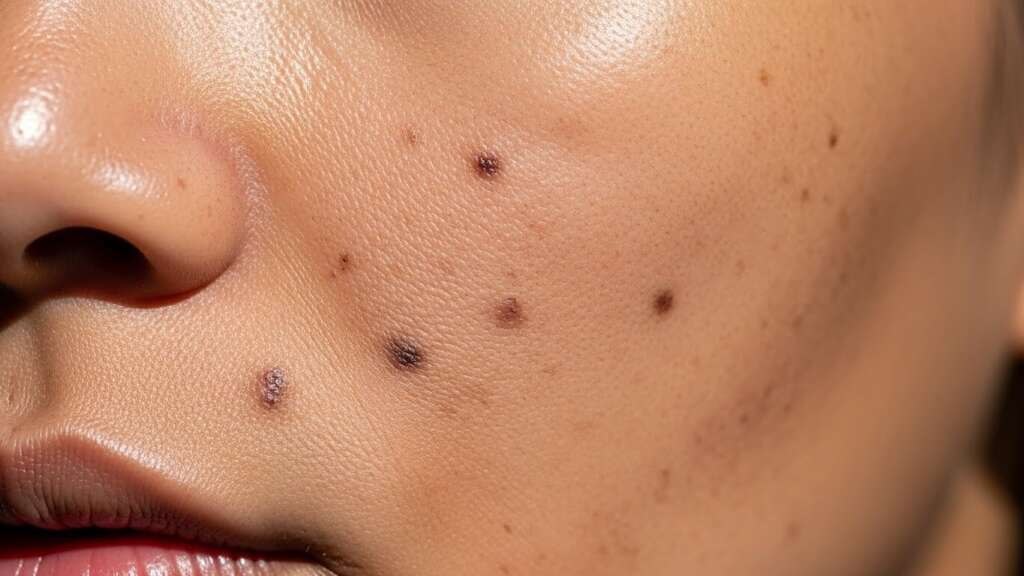
Hyperpigmentation refers to areas where the skin becomes darker than the surrounding surface. This concern often presents as dark spots, post-acne marks, or patches of discoloration.
Common triggers include:
- Sun exposure and UV damage
- Inflammation from acne or eczema
- Hormonal changes
- Aging-related pigment shifts
Many people search for how to fix dark spots or best products for hyperpigmentation because pigmentation can be slow to fade without targeted care.
Wrinkles, Fine Lines, and Skin Aging

Wrinkles and fine lines develop as the skin loses firmness and elasticity. Over time, reduced collagen, slower cell renewal, and environmental exposure lead to visible aging signs.
Typical causes include:
- Collagen depletion
- Free radical damage
- Repeated facial movements
- Long-term sun exposure
This concern often leads users to explore anti-aging skincare, ingredient-based solutions, and professional skincare treatments.
Dryness and Dehydrated Skin

Dryness occurs when the skin lacks sufficient oils, while dehydration reflects low water content. Both conditions disrupt the skin’s protective layer.
Signs include:
- Flaking or rough texture
- Tight feeling after cleansing
- Increased sensitivity
Many users look for home remedies for dry skin or best skincare routine for dry skin to restore comfort and balance.
Sensitivity and Redness

Sensitivity involves heightened reactions to skincare products, climate changes, or internal triggers. It often appears as redness, stinging, or itching.
Triggers may include:
- Weak skin barrier
- Harsh exfoliation
- Allergens or fragrance
- Conditions like rosacea solutions or eczema care
This concern requires minimalistic routines and dermatologist-backed guidance.
Dull Skin and Uneven Texture

Dull skin lacks brightness and often feels rough. It is commonly linked to slow exfoliation, dehydration, and environmental stress.
Contributing factors include:
- Dead skin buildup
- Poor circulation
- Lack of antioxidants
- Environmental skin damage
Improving texture usually involves proper cleansing, hydration, and exfoliation methods.
Enlarged Pores and Oil Imbalance

Enlarged pores become more visible when oil production increases or elasticity decreases. Many confuse pores are clogged vs enlarged, though the causes differ.
Common factors:
- Excess oil
- Aging-related laxity
- Improper cleansing
Users often search how to treat oily skin or best cleansers for oily skin to manage pore appearance.
Causes of Skin Concerns You Should Understand

Understanding the causes of skin concerns helps prevent recurring problems and improves treatment outcomes.
Internal Factors That Affect Skin Health
Internal contributors include:
- Genetics
- Hormonal fluctuations
- Nutritional deficiencies
- Chronic stress
These factors influence oil levels, inflammation, and cell turnover.
External and Environmental Triggers
External causes are often overlooked but play a major role:
- UV damage from sun exposure
- Pollution and toxins
- Seasonal effects on skin
- Improper skincare habits
Over time, these factors weaken the dermis and epidermis, leading to multiple visible issues.
How Skin Type Influences Common Skin Problems
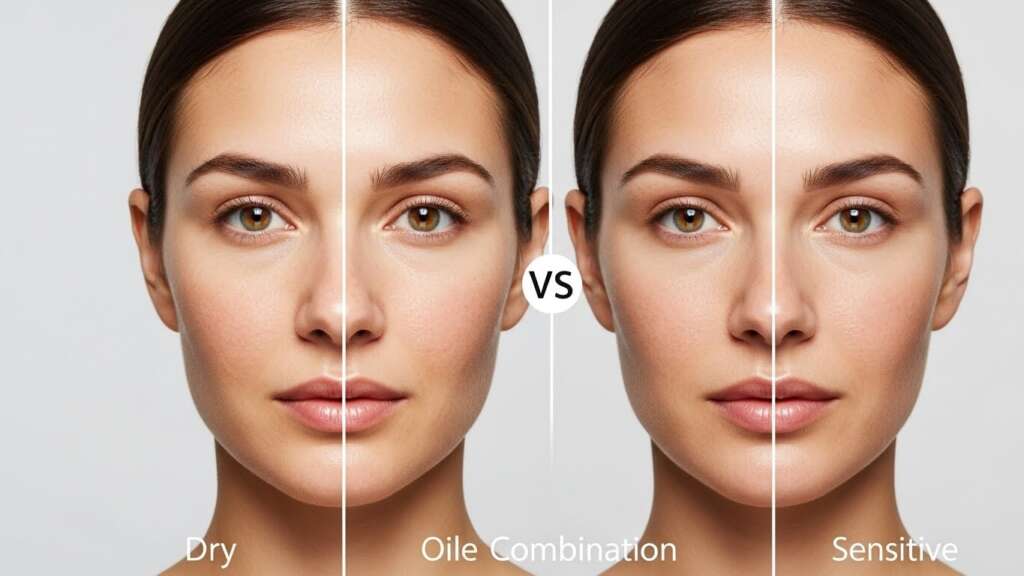
Skin type determines how concerns appear and how treatments should be selected.
Dry Skin and Its Unique Challenges
Dry skin struggles with moisture retention. It is more prone to fine lines, irritation, and dullness. Barrier repair and hydration strategies are essential.
Oily Skin and Acne-Prone Conditions
Oily skin produces excess sebum, which increases the risk of acne, blackheads, and enlarged pores. Oil control without over-drying is critical.
Combination and Sensitive Skin Patterns
Combination skin experiences both dry and oily zones. Sensitive skin reacts easily to ingredients and environmental shifts, increasing the risk of redness and inflammation.
When to Seek Dermatology Recommendations

Over-the-counter products cannot address every skin issue. The following are indicators that you might require expert care:
- Persistent acne or pigmentation
- Sudden sensitivity
- Rapid signs of aging
- Chronic inflammation
Dermatology recommendations can include clinical treatments, prescription products, or lifestyle adjustments for skin.
How to Treat the Most Popular Skin Concerns Effectively
Treating most popular skin concerns requires more than following trends or switching products frequently. Results depend on understanding skin biology, selecting the right ingredients, and building a consistent skincare routine that supports long term skin health. This section explains how to treat skin concerns using ingredient science, daily care steps, and condition specific solutions backed by dermatology knowledge.
Building a Skincare Routine That Supports Skin Health

A well structured skincare routine forms the base for managing all skin concerns. Without proper cleansing, hydration, and protection, even the best treatments fail to deliver visible improvement.
Skincare Routine Steps That Matter Most
A daily routine should focus on protecting the skin barrier, maintaining hydration, and controlling inflammation.
Core routine steps include:
- Daily cleansing to remove oil and impurities
- Hydration to support moisture balance
- Treatment products for targeted concerns
- Sun protection to prevent UV damage
Consistency is more important than product quantity. Using fewer products correctly often delivers better results than layering multiple formulas incorrectly.
Ingredient Based Solutions for Common Skin Problems
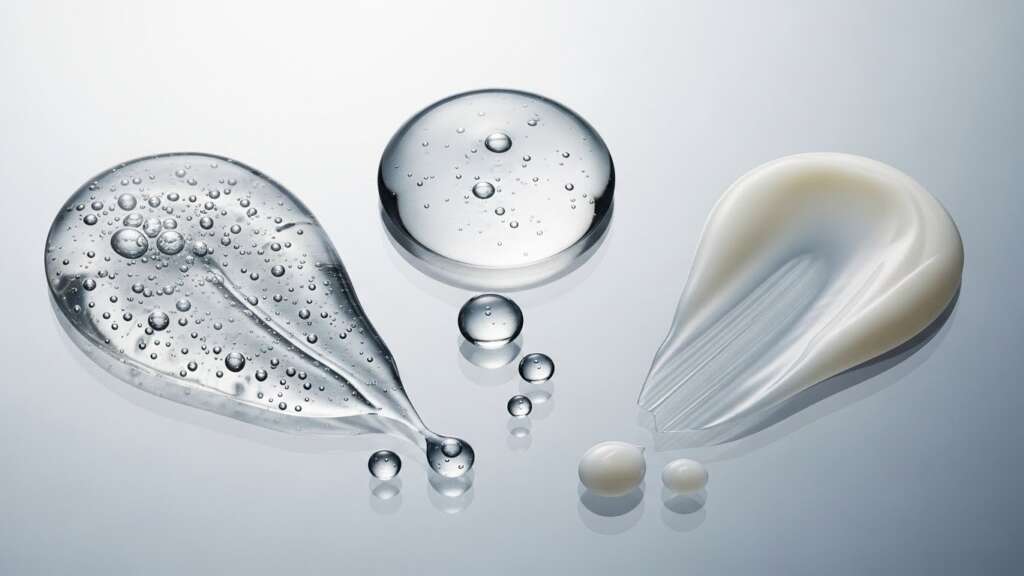
Understanding ingredients helps users choose treatments based on their actual concerns instead of marketing claims. Below are ingredient categories linked to specific common skin problems.
Acne Treatment Ingredients That Work
Managing acne involves reducing clogged pores, controlling bacteria, and calming inflammation.
Effective ingredients include:
- Salicylic acid for unclogging pores
- Niacinamide for acne to regulate oil
- Glycolic acid for surface exfoliation
- Non-comedogenic formulations to prevent breakouts
People searching for best products for acne should prioritize products that support oil control without stripping the skin.
Hyperpigmentation and Dark Spot Correction
Hyperpigmentation requires ingredients that regulate pigment production and improve cell turnover.
Key ingredients include:
- Vitamin C to brighten and reduce dark spots
- Glycolic acid for gentle resurfacing
- Niacinamide to balance uneven tone
- Chemical exfoliation to speed pigment fading
Those looking for best products for hyperpigmentation benefit from consistent use rather than aggressive treatments.
Treating Wrinkles and Fine Lines
Wrinkles and fine lines are signs of skin aging linked to collagen loss and environmental stress.
Anti aging focused ingredients include:
- Retinol to support collagen renewal
- Anti-oxidants to fight free radicals
- Hyaluronic acid benefits for hydration
- Ceramides benefits for barrier strength
These ingredients are essential in anti-aging skincare routines focused on prevention and repair.
Managing Dryness and Dehydration
Dryness often results from barrier damage rather than lack of water alone.
Helpful solutions include:
- Barrier repair creams with ceramides
- Hydration boosters using hyaluronic acid
- Gentle cleansers without harsh surfactants
- Occlusive moisturizers to lock in moisture
Users often confuse hydration and moisture. Understanding hydration vs moisture INKEY UK helps correct product selection.
Sensitivity and Redness Care
Sensitivity requires calming formulas and minimal irritation risk.
Recommended approaches include:
- Fragrance free products
- Ingredients that reduce inflammation response
- Avoiding over exfoliation
- Using sunscreen for skin concerns daily
Conditions such as rosacea solutions and eczema care benefit from simplified routines.
Best Skin Care Ingredients and Why They Matter
Ingredient knowledge improves outcomes across all skin concerns.
Key Ingredients and Their Skin Benefits
Important ingredients used in dermatologist aligned products include:
- Hyaluronic acid for hydration
- Niacinamide for oil control and tone balance
- Ceramides for barrier repair
- Vitamin C for brightness and protection
- AHAs / BHAs / PHAs L'Oreal Paris+1 for exfoliation
These ingredients appear frequently in recommendations from brands such as best skin care ingredients L'Oreal Paris+1 due to strong clinical support.
Skincare Treatments Beyond Daily Products

When topical products reach their limits, skincare treatments may help address deeper concerns.
Professional vs Home Treatment Options
Home care options:
- Chemical exfoliation
- Targeted serums
- Sunscreen use
Clinical options:
- Chemical peel benefits
- Laser skin treatments
- Dermatological procedures for acne scars and pigmentation
Understanding professional vs home treatment PERFECT helps users set realistic expectations.
Lifestyle Causes for Skin Issues You Should Not Ignore

Many skin concerns persist because lifestyle factors remain unaddressed.
Key contributors include:
- Poor sleep
- Stress and cortisol levels
- Diet quality
- Environmental exposure
These lifestyle causes for skin issues affect hormone balance, inflammation, and healing ability.
Sunscreen and Preventive Care for Long Term Results
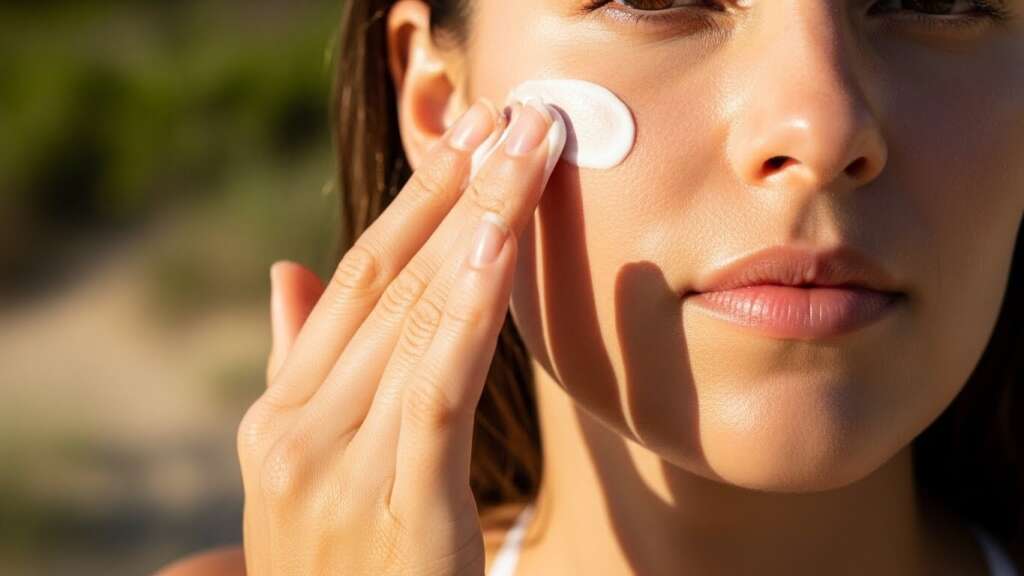
Sun exposure accelerates nearly every visible skin issue.
Daily sun protection supports:
- Prevention of dark spots
- Reduction in wrinkles
- Protection from UV damage
- Improved treatment results
Using sun protection SPF 30+ consistently is essential for anyone managing most popular skin concerns.
When Products Are Not Enough
Signs that professional care may be needed include:
- Persistent breakouts
- Worsening pigmentation
- Chronic sensitivity
- Rapid aging signs
In these cases, dermatologist recommended skincare and treatment plans offer safer outcomes.
Preventive Care, FAQs, and Expert Guidance for Skin Concerns
Managing most popular skin concerns is not limited to treatment alone. Long term improvement depends on prevention, age appropriate care, and clear answers to common questions users search online. This final section focuses on preventive strategies, product selection by skin type, and voice search friendly FAQs that directly match real user intent.
Preventive Skincare Strategies for Long Term Skin Health

Prevention reduces the severity of future skin concerns and supports healthier skin aging. Small daily habits often make a measurable difference over time.
Sun Protection as a Core Preventive Step
One of the main causes of sun exposure is:
- Hyperpigmentation
- Wrinkles
- Fine lines
- Uneven skin tone
Daily use of best sunscreen for face products with sun protection SPF 30+ helps limit UV damage, reduces pigment formation, and slows visible aging.
Hydration, Nutrition, and Skin Function
Hydration affects both surface appearance and internal skin processes.
Key habits include:
- Drinking adequate water
- Using moisturizers that support hydration and moisture
- Consuming foods rich in anti-oxidants
These habits improve skin elasticity, texture, and recovery from environmental stress.
Stress and Lifestyle Adjustments for Skin Balance
Stress increases inflammation and disrupts hormones. Over time, this can worsen:
- Acne breakouts
- Sensitivity
- Redness
- Dull skin
Simple lifestyle adjustments for skin such as sleep regulation, stress management, and gentle exercise support overall skin stability.
Skincare for Different Ages and Skin Conditions
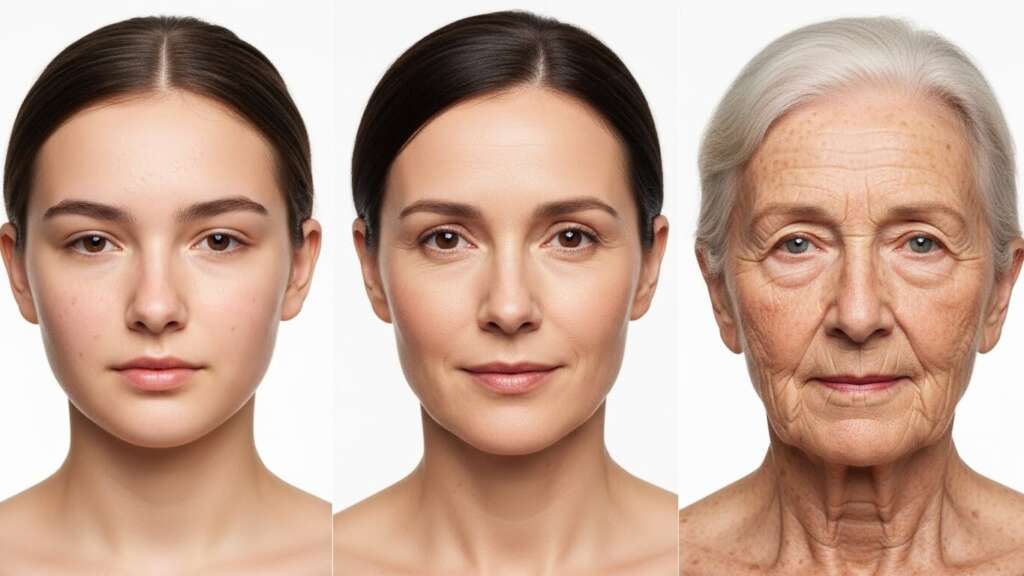
Skin needs change with time. Addressing skincare for different ages improves results and prevents unnecessary damage.
Skincare in Teens and Early Adulthood
Focus areas include:
- Oil balance
- Preventing clogged pores
- Early acne control
Using best cleansers for oily skin and lightweight moisturizers helps regulate sebum production.
Skincare in the 30s and 40s
This stage often brings:
- Early fine lines
- Uneven skin tone
- Reduced hydration
Targeted serums and barrier repair products support early anti-aging solutions.
Skincare in Mature Skin
Mature skin benefits from:
- Intensive hydration strategies
- Products supporting collagen
- Protection from environmental skin damage
Consistency is key to maintaining comfort and appearance.
Product Selection by Skin Type
Choosing the right products prevents unnecessary irritation and supports treatment success.
Best Practices for Dry Skin
Dry skin benefits from:
- Cream based cleansers
- Barrier repair moisturizers
- Reduced exfoliation frequency
A best skincare routine for dry skin focuses on comfort and repair.
Best Practices for Oily and Acne Prone Skin
Oily skin requires:
- Gel or foam cleansers
- Balanced oil control
- Lightweight hydration
This approach supports how to treat oily skin without triggering excess oil production.
Sensitive Skin Care Tips
Sensitive skin responds best to:
- Minimal ingredient lists
- Fragrance free products
- Gradual product introduction
Following sensitive skin care tips reduces flare ups and discomfort.
Final Thoughts:
Understanding most popular skin concerns allows individuals to make informed decisions about daily care, treatments, and prevention. Rather than chasing quick fixes, focusing on skin biology, routine consistency, and realistic expectations delivers better outcomes.
Healthy skin reflects balance. With the right routine, ingredient knowledge, and preventive habits, even long standing common skin problems can improve over time.
FAQs (Frequently Asked Questions)
What are the most common skin concerns?
The most common concerns include acne, hyperpigmentation, dryness, wrinkles, sensitivity, dull skin, and enlarged pores. These issues often overlap and vary by skin type and lifestyle.
What is the biggest skincare concern for most people?
The biggest concern varies, but acne and uneven tone are reported most often across age groups. As people age, skin aging signs like fine lines and dark spots become more prominent.
What causes acne and repeated breakouts?
Acne develops due to clogged pores, excess oil, bacteria, and hormonal shifts. Understanding what causes acne helps guide effective treatment and prevention.
Can oily skin also be dry?
Yes. Oily skin can still experience dehydration. This occurs when water levels are low even though oil production remains high, affecting skin texture and comfort.
What is the skincare "4 2 4" rule?
The 4 2 4 method is a cleansing technique involving oil cleansing, foam cleansing, and rinsing. While it can improve cleansing, it is not suitable for all skin types, especially sensitive skin.
How often should exfoliation be done?
Exfoliation frequency depends on skin type. Most people benefit from one to two sessions weekly. Overuse can raise sensitivity and harm the skin's barrier.
Which ingredient is best for pigmentation issues?
Ingredients such as vitamin C, niacinamide, and glycolic acid help regulate pigment and improve tone when used consistently.
When should someone see a dermatologist?
Professional care is recommended when skin concerns persist despite consistent home care or when conditions worsen quickly. Dermatology recommendations provide safer long term solutions.