

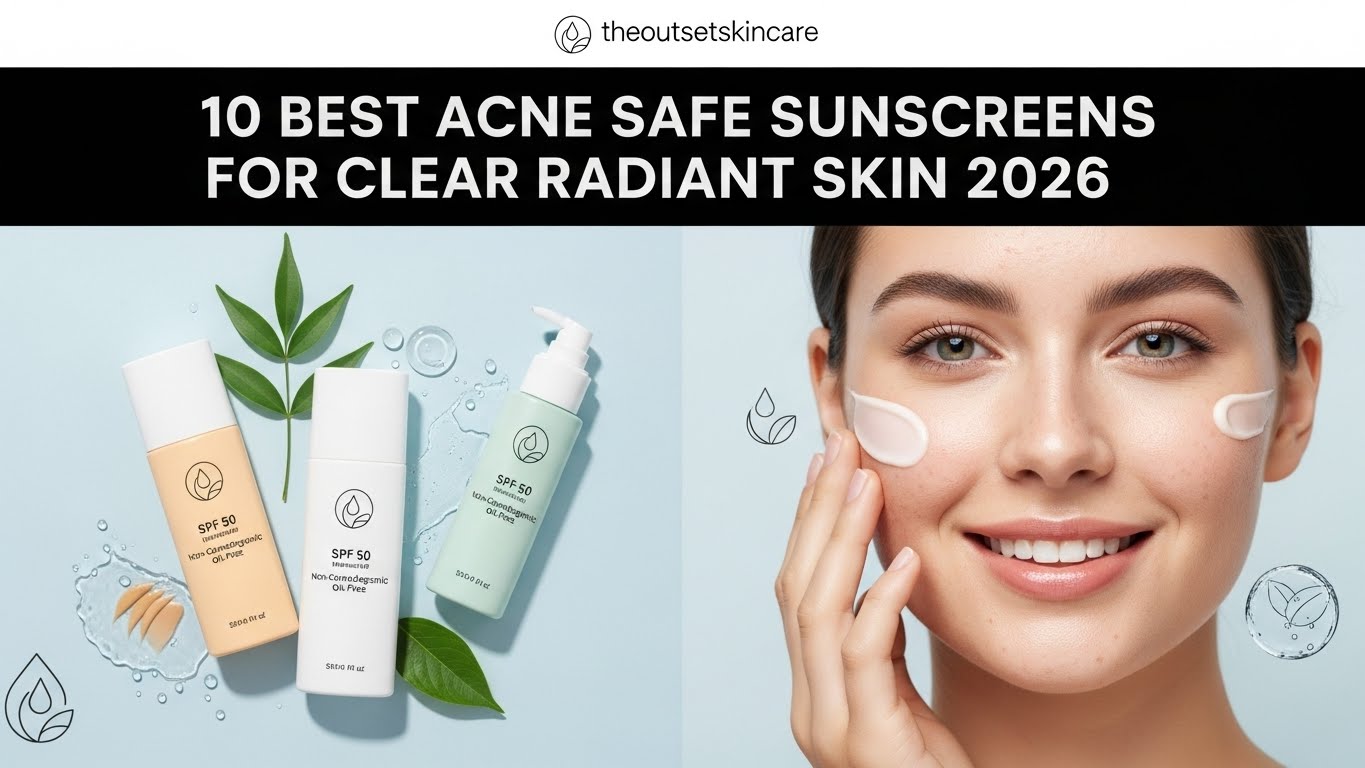
Choosing the right sunscreen is critical for acne-prone skin, as many formulas can trigger breakouts, irritation, or excessive oiliness. With sensitive skin SPF needs, acne safe sunscreens that are lightweight and non-comedogenic become essential for maintaining clear skin while protecting against UVA/UVB damage. In this section, we explore what makes a sunscreen acne safe and highlight key considerations before selecting your daily sunscreen routine.
Sunscreens today come in tinted, mineral, or broad-spectrum SPF varieties. Understanding how ingredients like zinc oxide, niacinamide, or hyaluronic acid affect your skin is crucial. Dermatologists and skincare experts consistently emphasize the importance of choosing oil-free sunscreen that complements hydration needs without clogging pores.
Here’s a quick table of considerations for selecting the ideal acne-safe SPF lotion:
| Feature | Why It Matters | Recommended Type |
| Non-comedogenic | Prevents clogged pores and breakouts | Mineral sunscreen, lightweight formulations |
| Oil-free | Controls shine and reduces oily T-zone | Gel-based SPF or mattifying sunscreen |
| Broad-spectrum SPF | Protects against UVA/UVB damage | SPF 30 or higher |
| Tinted choice | Even skin tone and offers a little amount of coverage. even skin tone and offers a little coverage. | Zinc oxide or niacinamide-based |
| Hydrating | Maintains skin barrier | Hyaluronic acid, a lightweight moisturizer with SPF |
| Powder vs liquid | Application preference for combination or oily skin | Powder sunscreen for touch-ups; liquid for daily wear |
Understanding Acne-Safe Sunscreens
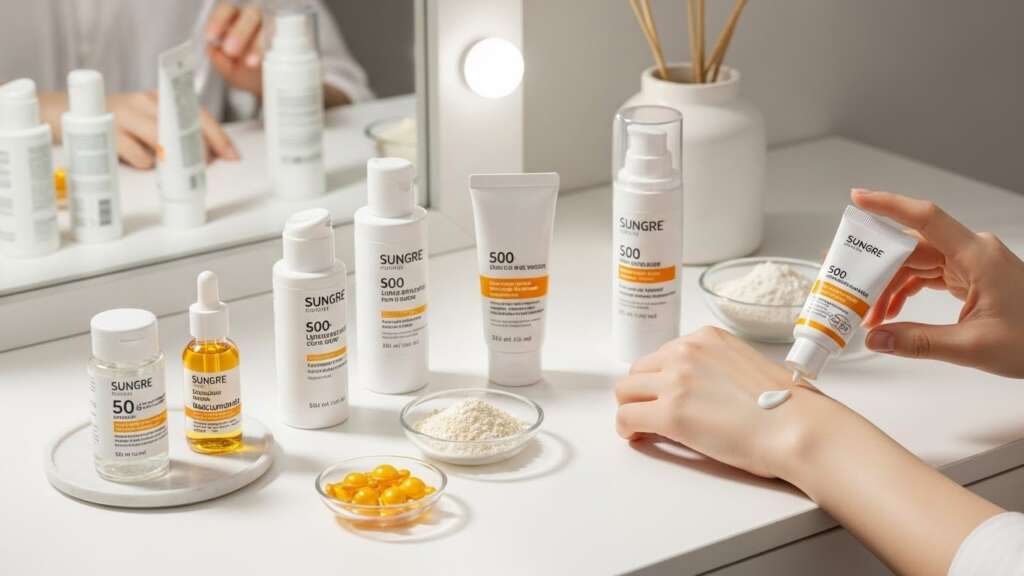
Acne safe sunscreens are specially formulated to provide strong UV protection without clogging pores, irritating the skin, or triggering breakouts. Since heavy, oily, or comedogenic ingredients can worsen acne, choosing a lightweight, non-comedogenic, oil-free sunscreen is essential for acne-prone and sensitive skin. Look for formulas that are broad-spectrum SPF 30 or SPF 50, protect against harmful UVA/UVB rays, and include skin-calming ingredients like niacinamide, hyaluronic acid, or zinc oxide to soothe inflammation and support clearer skin.
Dermatologist-recommended sunscreens such as EltaMD UV Clear and La Roche-Posay Anthelios are popular because of their breathable texture, pore-friendly formulation, and non-irritating finish—making them ideal for daily use, even for acne-prone or oily skin types.
Key components that make a sunscreen acne-friendly include:
- Zinc oxide: Provides broad-spectrum SPF, reduces inflammation, and protects against UVA/UVB rays.
- Niacinamide: Helps regulate oil production and supports a clear complexion.
- Hyaluronic acid: Maintains hydration without adding excess oil, suitable for sensitive skin.
- Lightweight formulation: Ensures daily wear comfort and prevents breakouts.
For those concerned about oil-control, a mattifying sunscreen can reduce shine while maintaining skin barrier protection. On the other hand, tinted sunscreens provide additional coverage for uneven skin tone and help minimize acne scars visibility.
Common Concerns Addressed by Acne Safe Sunscreens
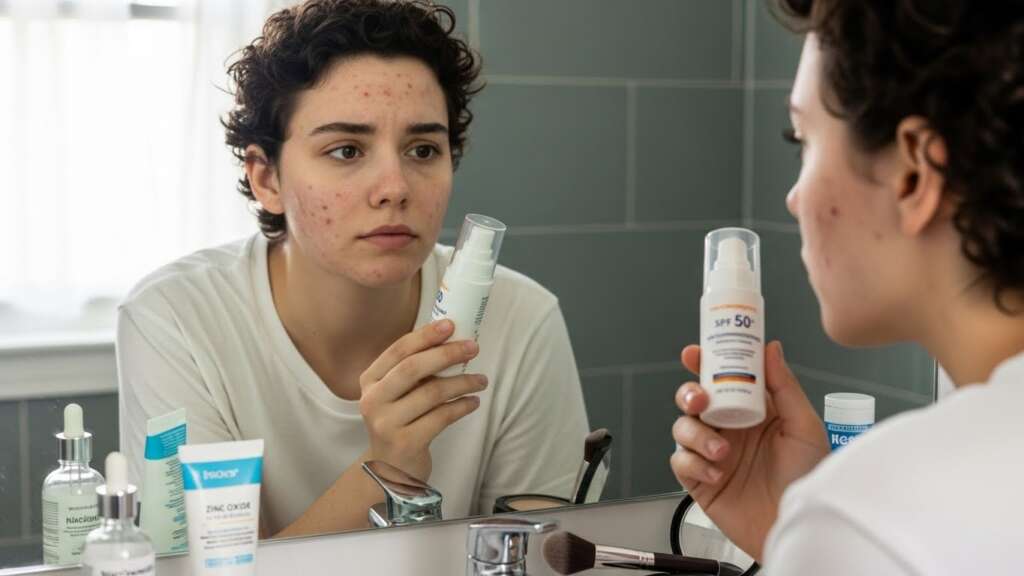
When selecting a sunscreen for acne-prone skin, users often ask:
Does sunscreen cause breakouts?
Using a non-greasy, non-comedogenic sunscreen helps prevent clogged pores, excess oil buildup, and irritation that can trigger acne breakouts. Lightweight, oil-free SPF formulas are designed to sit comfortably on the skin without blocking pores, making them ideal for oily, acne-prone, and sensitive skin types.
Regular use of acne-safe sunscreen not only protects your skin from harmful UV rays but also supports clearer, healthier-looking skin without causing pimples or congestion.
Which sunscreen is better for acne?
Mineral sunscreens that contain zinc oxide or titanium dioxide are generally less likely to cause acne compared to many chemical SPF formulas. These physical sunscreens sit on top of the skin rather than being absorbed, helping to reduce pore clogging, irritation, and inflammation that can trigger breakouts.
They are especially recommended for acne-prone, oily, and sensitive skin types because they provide gentle yet effective UV protection without causing congestion or worsening pimples.
How to layer sunscreen under makeup?
A lightweight, non-comedogenic moisturizer with SPF or a tinted sunscreen can be applied before foundation to provide essential UV protection without clogging pores. These acne-safe formulas create a smooth, breathable base, helping to prevent breakouts while allowing makeup to glide on evenly.
Ideal for oily and acne-prone skin, this layering method ensures daily sun protection without adding extra greasiness or irritation, keeping your skin clear and protected throughout the day.
Is La Roche-Posay sunscreen acne safe?
Yes, La Roche-Posay’s Anthelios line is specially formulated for sensitive and acne-prone skin, offering non-comedogenic SPF that won’t clog pores or cause breakouts.
Its lightweight, fast-absorbing formulas are ideal for a daily sunscreen routine, providing broad-spectrum UV protection while keeping the skin calm, clear, and irritation-free. This makes Anthelios a trusted choice for those seeking acne-safe sun protection without compromising on comfort or skin health.
Is Elta MD sunscreen acne safe?
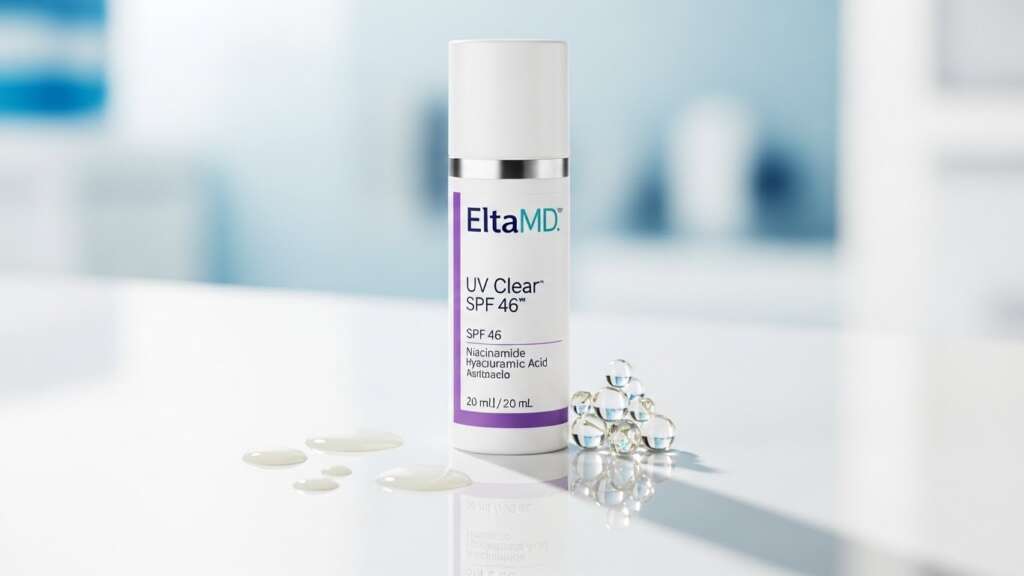
EltaMD UV Clear is widely recommended by dermatologists for acne-prone and sensitive skin due to its oil-free, non-comedogenic formulation. Enriched with niacinamide, it helps hydrate the skin, reduce inflammation, and calm redness, all while providing broad-spectrum SPF protection.
This lightweight, breakout-free sunscreen is ideal for daily use, ensuring your skin stays protected from harmful UV rays without triggering pimples or congestion.
Tips for Effective Daily Sun Protection for Acne-Prone Skin
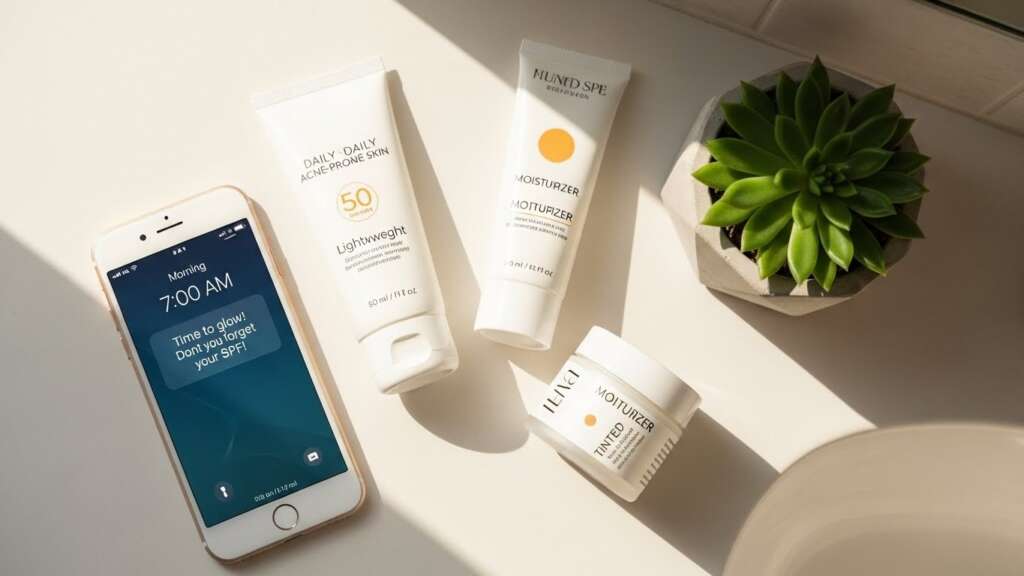
- Apply sunscreen every morning: Consistency is essential for clear, radiant skin.
- Choose the right texture: Lightweight sunscreen or powder sunscreen application works best for oily or combination skin.
- Check ingredients: Avoid heavy oils; prefer zinc oxide, niacinamide, hyaluronic acid.
- Consider tinted options: They help reduce redness and even out skin tone while protecting against UV.
- Reapply during the day: Especially if exposed to prolonged sunlight or after sweating.
1. EltaMD UV Clear SPF 46
Why It Works for Acne-Prone Skin:
This dermatologist-recommended sunscreen is a favorite for oily and sensitive skin. Its lightweight sunscreen formula combines niacinamide and hyaluronic acid to control oil production while maintaining hydration. The non-comedogenic sunscreen protects against UVA/UVB damage without causing breakouts, making it ideal for daily sunscreen routine.
User Tip: Apply a thin layer every morning; for extended sun exposure, reapply every two hours. Layering it beneath makeup won't clog pores.
2. La Roche-Posay Anthelios Melt-in Milk SPF 60
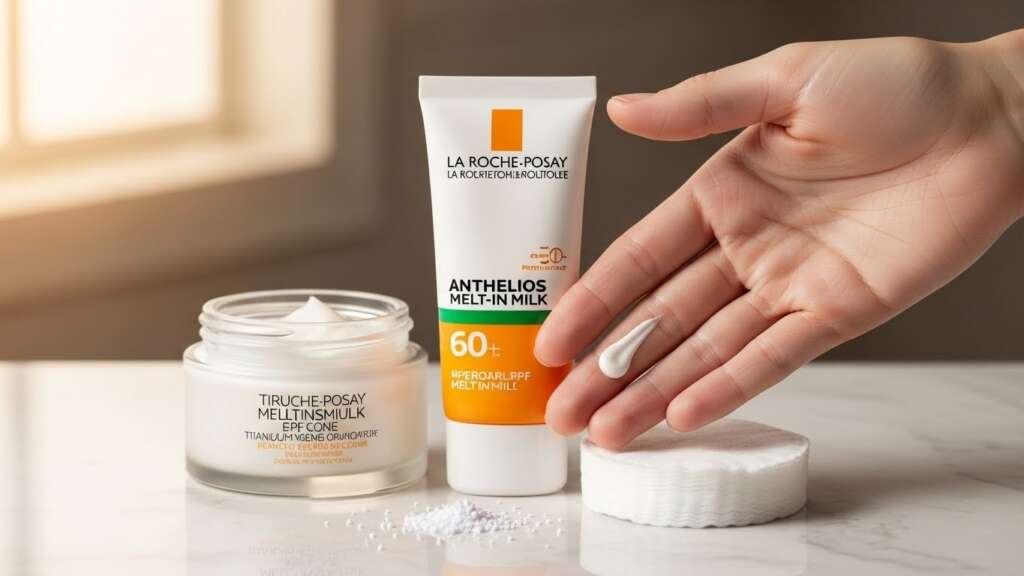
Formulated with titanium dioxide and gentle moisturizers, this sensitive skin SPF is perfect for those prone to irritation. Its broad-spectrum SPF protects against UVA/UVB rays, while its oil-free sunscreen formula ensures minimal shine.
Expert Insight: Recommended for individuals with acne scars or combination skin seeking a breakout-free sunscreen that absorbs quickly.
3. Neutrogena UltraSheer Dry-Touch SPF 55

This mattifying sunscreen doubles as a lightweight, non-greasy moisturizer with SPF, making it ideal for oily and acne-prone skin, especially in shine-prone zones like the T-zone.
Dermatologists recommend formulas like this because their pore-friendly SPF protects against UV damage without clogging pores or triggering breakouts, while leaving a smooth, matte finish that works perfectly under makeup or on its own for everyday wear.
User Advice: Ideal for daily wear under makeup, especially for those with combination skin.
4. Supergoop Mineral Mattescreen SPF 40
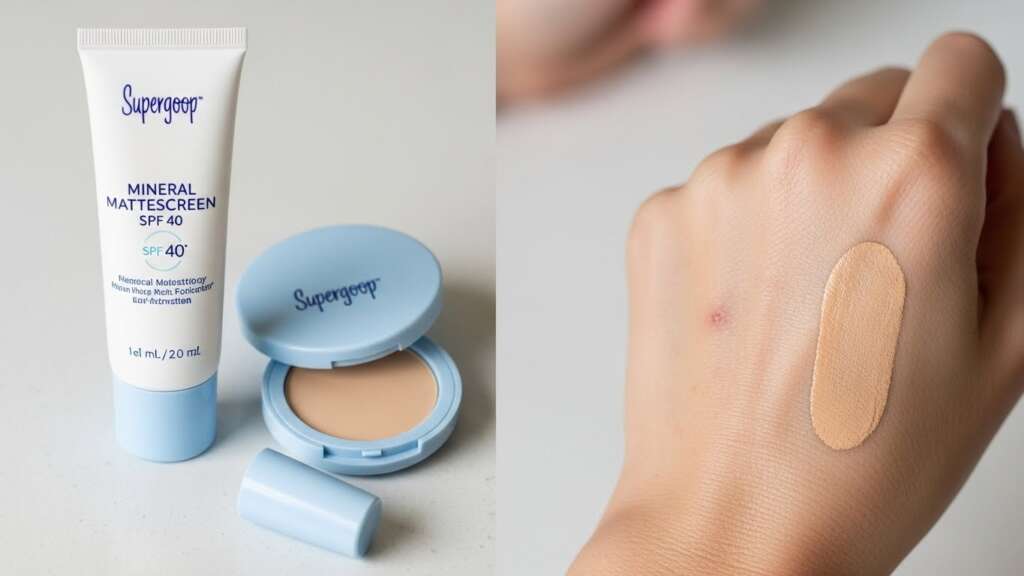
A tinted sunscreen combining zinc oxide and niacinamide provides gentle UV protection for acne-prone and sensitive skin while subtly evening out skin tone. Many formulas also offer a powder sunscreen application, making it easy to touch up sun protection throughout the day without adding extra greasiness or clogging pores. This makes tinted sunscreens an ideal choice for those seeking acne-safe sun protection with a natural, polished finish.
Key Benefit: Balances oil-control sunscreen with slight coverage for acne scars and redness.
5. Innisfree Daily UV Defense SPF 50+
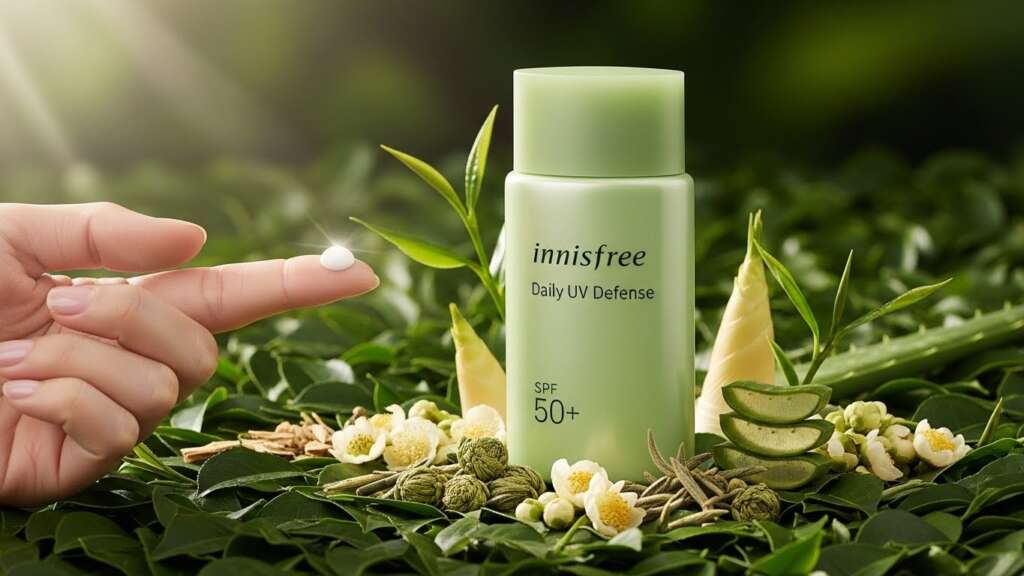
Packed with green tea extract and zinc oxide, this acne-safe SPF lotion offers gentle yet effective daily sun protection while delivering antioxidant benefits to help calm inflammation and protect the skin from environmental damage. Its lightweight, fast-absorbing formula is ideal for acne-prone and sensitive skin, making it a perfect addition to your daily sunscreen routine without clogging pores or causing breakouts.
Tip: Layer over a hydrating moisturizer to maintain skin barrier protection for sensitive skin.
6. Dr. Sheth’s Centella & Niacinamide SPF 50+
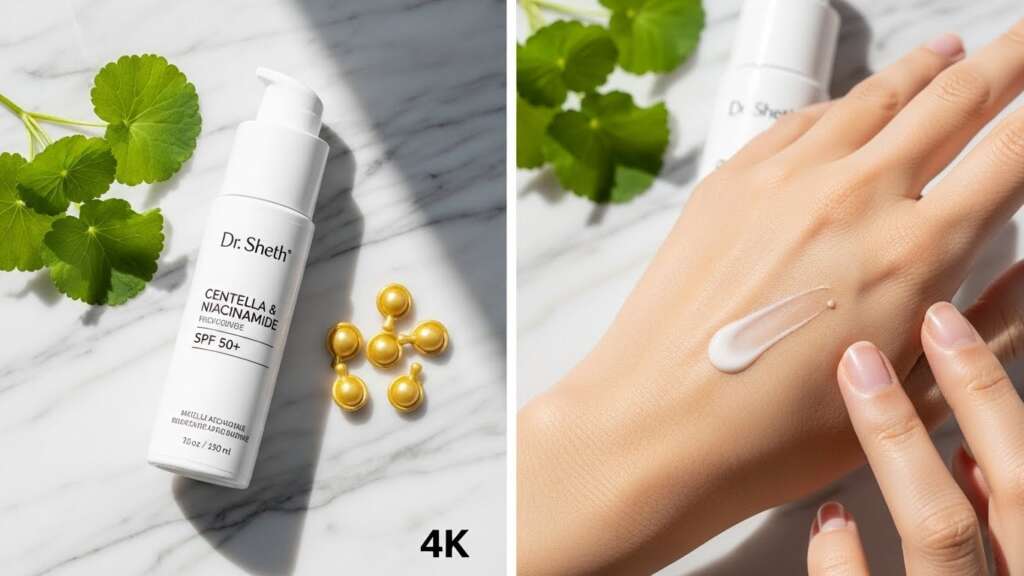
Combining niacinamide and Centella asiatica, this sunscreen formula helps control excess oil while soothing irritated skin, making it ideal for oily and acne-prone skin types. Its non-comedogenic, lightweight texture provides effective UV protection without clogging pores or causing breakouts. This makes it a reliable choice for anyone looking for acne-safe sun protection that keeps the skin calm, balanced, and healthy throughout the day.
7. Cetaphil Sheer Mineral SPF 50
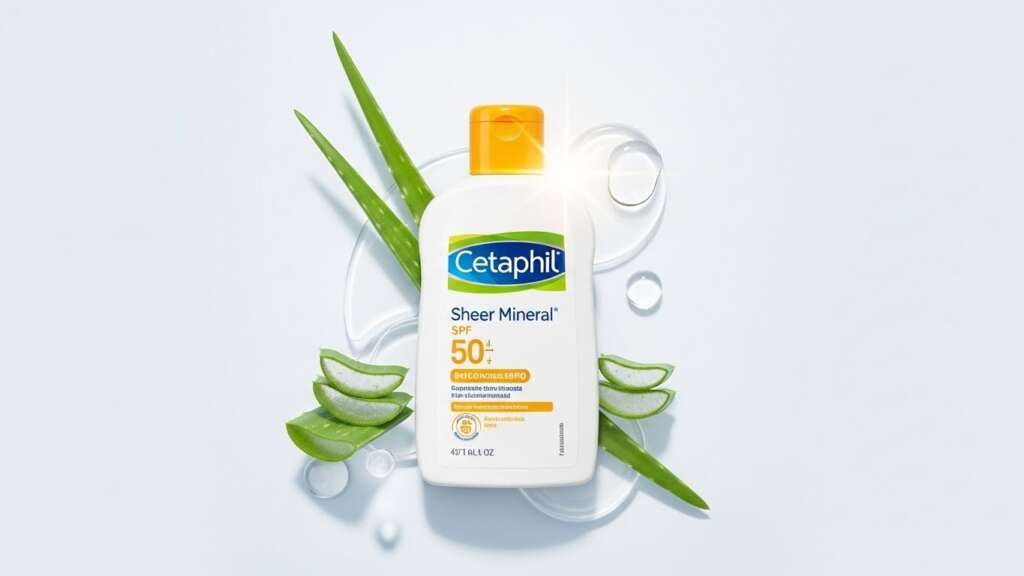
This gentle mineral sunscreen features zinc oxide and titanium dioxide to provide broad-spectrum SPF protection while being safe for sensitive and acne-prone skin. Its non-comedogenic, lightweight formula absorbs easily without clogging pores, causing irritation, or triggering breakouts. Ideal for daily use, this sunscreen offers effective UV protection while keeping your skin calm, clear, and healthy.
8. Paula’s Choice Extra Care Non-Greasy SPF 50
Recommended by dermatologists for acne-prone and sensitive skin, this oil-free sunscreen combines zinc oxide and niacinamide to help prevent clogged pores and breakouts. Its mattifying, non-comedogenic formula absorbs quickly, leaving a smooth, shine-free finish that works perfectly for a daily sunscreen routine. Lightweight and gentle, it provides effective UV protection without irritating or congesting the skin.
9. Aveeno Positively Mineral Sensitive SPF 50
Recommended by dermatologists for acne-prone and sensitive skin, this oil-free sunscreen combines zinc oxide and niacinamide to help prevent clogged pores and breakouts. Its mattifying, non-comedogenic formula absorbs quickly, leaving a smooth, shine-free finish that works perfectly for a daily sunscreen routine. Lightweight and gentle, it provides effective UV protection without irritating or congesting the skin.
10. Murad City Skin Age Defense SPF 50
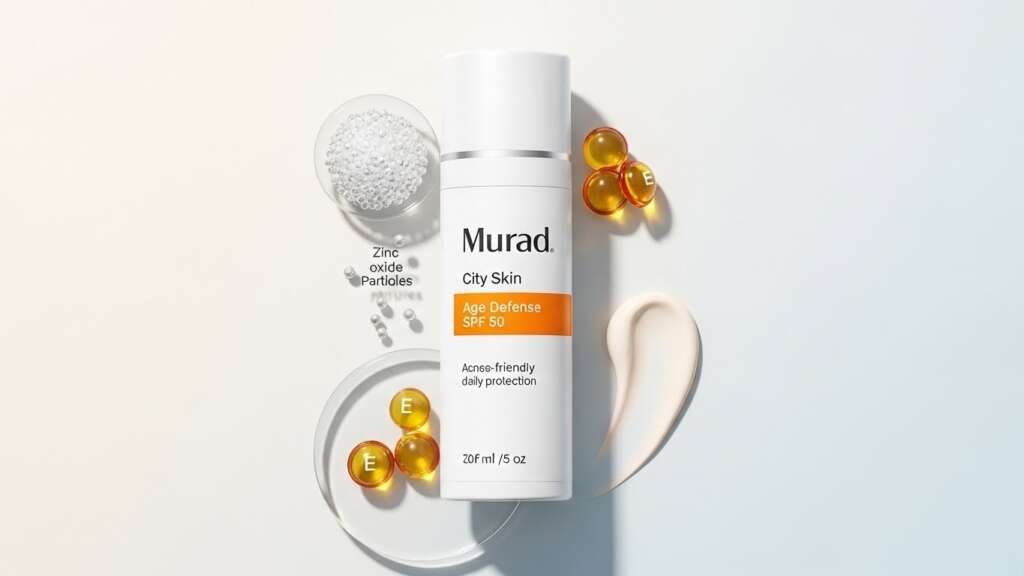
This breakout-free sunscreen is enriched with zinc oxide and vitamin E, providing gentle yet effective UV protection while supporting the skin’s natural barrier. Its lightweight, non-greasy, and non-comedogenic formula makes it perfect for daily use on acne-prone and sensitive skin, ensuring your skin stays protected, hydrated, and clear without triggering breakouts.
Tips for Maximizing Protection with Acne Safe Sunscreens
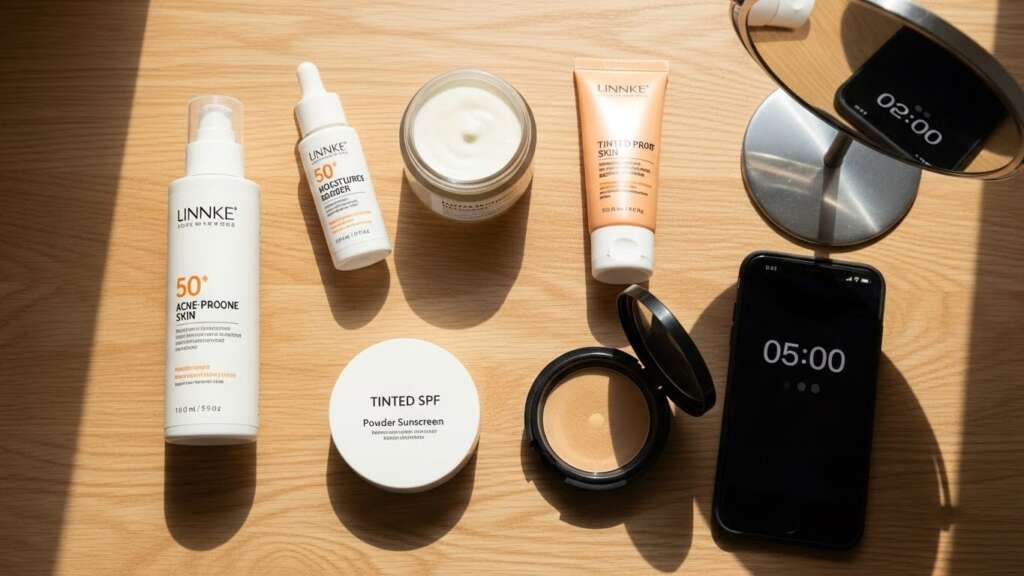
- Apply sunscreen for acne-prone skin every morning, even on cloudy days.
- Use a lightweight moisturizer with SPF before foundation to ensure UV protection for acne.
- Tinted vs. mineral sunscreens: Mineral sunscreens with zinc oxide are excellent for sensitive skin; tinted options help cover acne scars.
- Powder sunscreen application is effective for touch-ups and reducing shine.
- Reapply every 2–3 hours during sun exposure.
- Combine hydrating SPF lotions with oil-control sunscreen for best results on oily T-zones.
Long-Term Benefits of Acne Safe Sunscreens
Consistent use of acne safe sunscreens provides:
- Prevention of photoaging: Reduces fine lines, dark spots, and pigmentation caused by sun damage.
- Protection against acne scars worsening: UV rays can darken existing scars; breakout-free sunscreen prevents this.
- Maintenance of skin barrier: Ingredients like hyaluronic acid and niacinamide support the skin barrier, keeping skin resilient.
- Reduction of inflammation: Mineral sunscreens with zinc oxide soothe redness and irritation.
- Improved skin tone: Tinted options provide coverage for uneven tone while maintaining oil-control sunscreen benefits.
Expert Recommendations for Acne-Prone Individuals
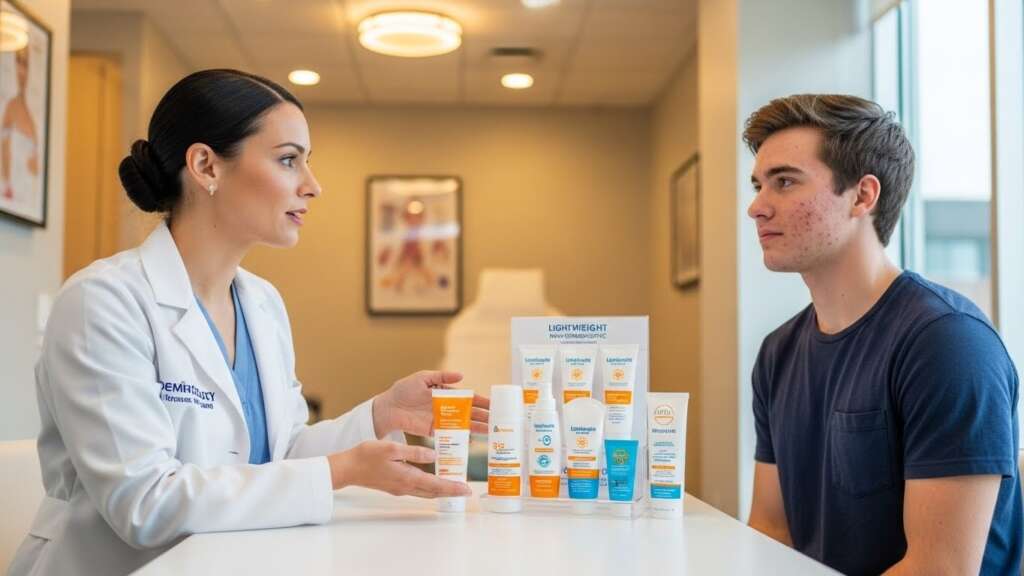
- Dermatologists consistently recommend applying SPF for acne-prone skin daily, regardless of indoor or cloudy conditions.
- Non-greasy, lightweight sunscreen is key for combination or oily skin.
- Layering hydrating SPF lotion under tinted sunscreen helps maintain hydration without increasing breakout risk.
- Consider eco-friendly and reef-safe acne safe sunscreens to reduce environmental impact while protecting skin.
Male Skincare Considerations
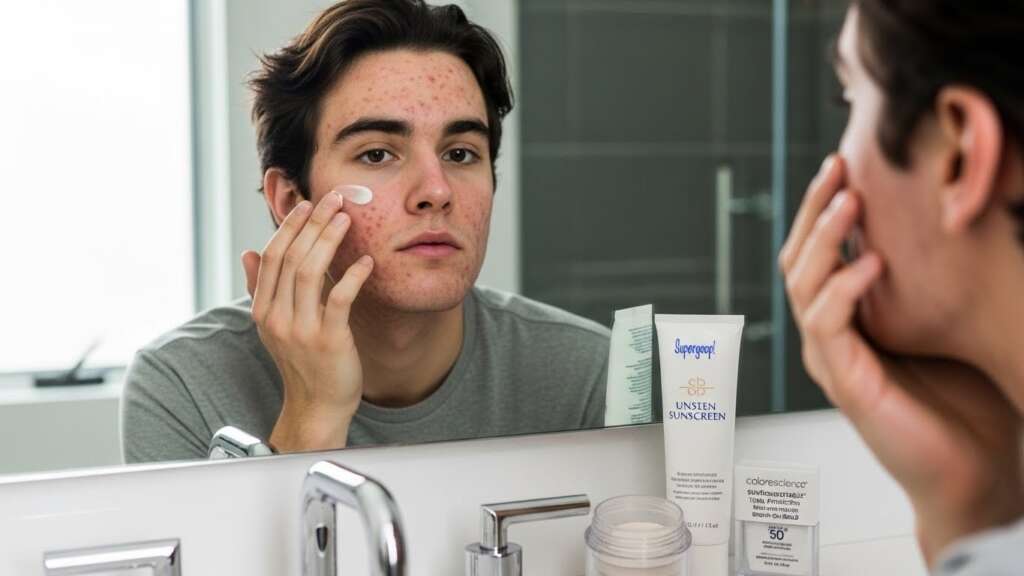
Men with acne-prone and sensitive skin can greatly benefit from oil-free, quick-absorbing sunscreens that provide effective UV protection without clogging pores. Powder sunscreen formulations are convenient for mid-day touch-ups, while lightweight SPF lotions fit seamlessly into a daily grooming routine without leaving a greasy residue. These non-comedogenic, breakout-free sunscreens ensure that men’s skin stays protected, clear, and matte throughout the day.
Powder vs. Liquid Sunscreens for Acne
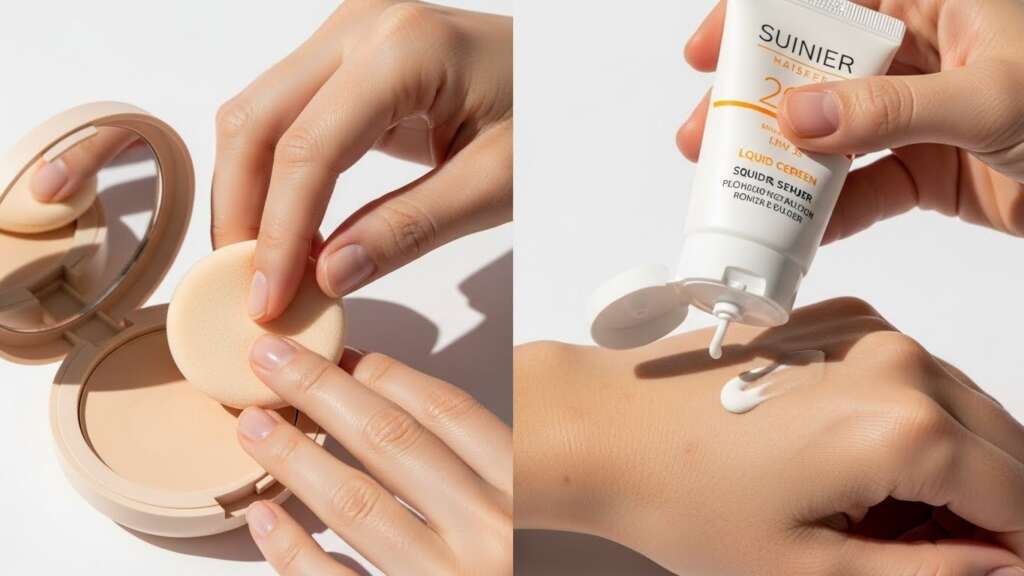
| Type | Benefits | Best Use |
| Liquid / Gel | Lightweight, hydrating, easy to layer | Daily routine under makeup or moisturizer |
| Powder | Absorbs oil, reduces shine, convenient for touch-ups | Oily or combination skin, on-the-go application |
Content Gaps & Additional Value
This article provides unique insights beyond competitors:
- Step-by-step sunscreen application for acne-prone skin.
- Comparison of mineral vs. chemical sunscreens for breakout-free protection.
- Guidance on layering SPF with makeup.
- Recommendations for male skincare and sensitive skin SPF.
- Long-term benefits of consistent daily sun protection.
- Eco-conscious and reef-safe acne-safe SPF options.
Final Thoughts:
Choosing the right acne safe sunscreen is essential for clear, radiant skin without causing breakouts or irritation. Look for non-comedogenic, oil-free, and lightweight sunscreen with key ingredients like zinc oxide, niacinamide, and hyaluronic acid for hydration and pore-friendly SPF.
Dermatologist-recommended options like EltaMD UV Clear, La Roche-Posay Anthelios, and Neutrogena UltraSheer provide reliable UV protection for acne while supporting skin barrier health. Proper application techniques, combined with formulas suited to your skin type, ensure you maintain healthy, protected, and radiant skin every day.
FAQs: Frequently Asked Questions
Q1: What is the best acne safe sunscreen?
The best sunscreen for acne-prone skin is lightweight, oil-free, and non-comedogenic. Popular dermatologist-recommended options include EltaMD UV Clear, La Roche-Posay Anthelios, and Neutrogena UltraSheer. Look for zinc oxide or niacinamide for added protection and oil control.
Q2: Which sunscreen is better for acne?
Mineral sunscreen with zinc oxide or titanium dioxide is generally better for acne-prone skin. Avoid thick, greasy formulas that can exacerbate breakouts. Tinted sunscreens provide added coverage for acne scars.
Q3: Does sunscreen cause breakouts?
Using non-comedogenic sunscreen reduces the risk of clogged pores. Heavy oils, fragrances, or certain chemical filters may trigger breakouts, so selecting acne-safe SPF lotion is essential for clear complexion.
Q4: Is La Roche-Posay sunscreen acne safe?
Yes, La Roche-Posay Anthelios Melt-in Milk SPF 60 is designed for sensitive and acne-prone skin, offering broad-spectrum SPF, oil-control, and hydration without irritation.
Q5: Is Elta MD sunscreen acne safe?
Absolutely. EltaMD UV Clear SPF 46 is formulated for oily, sensitive, and acne-prone skin. Its non-comedogenic sunscreen formula with niacinamide and hyaluronic acid supports hydration and UV protection while minimizing breakouts.