
Introduction
Finding the best dark spot remover for face starts with understanding what causes discoloration and how modern treatments work. Dark spots, often linked to hyperpigmentation, develop when certain areas of the skin produce excess melanin. These spots may appear after acne, sun exposure, hormonal changes, or inflammation. While many products promise quick results, real improvement depends on using the right ingredients consistently and safely.
People search for the best solution because uneven skin tone can affect confidence and overall appearance. Some want to fade acne marks, others struggle with melasma or sun damage spots. The right approach depends on skin type, ingredient tolerance, and realistic expectations.
This guide explains what causes dark spots, the different types of hyperpigmentation, and the science behind effective treatments. It also explores dermatologist-recommended ingredients and how they support pigmentation correction, skin brightening, and long-term complexion improvement.
What Causes Dark Spots on the Face
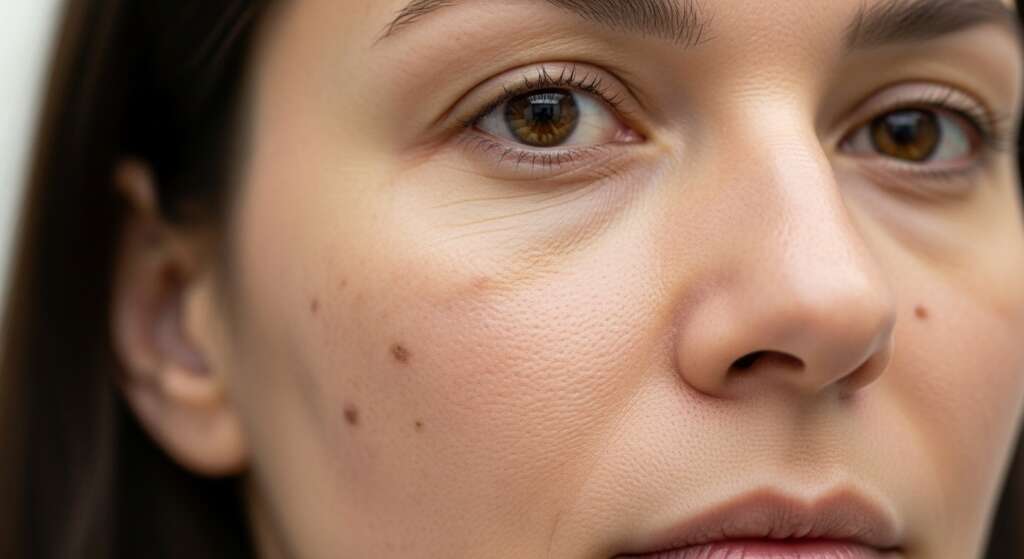
Dark spots form when the skin produces excess melanin in specific areas.The pigment responsible for pores and skin tone is called melanin. When its production becomes uneven, discoloration appears.
The most common triggers include:
- Prolonged sun exposure
- Acne inflammation
- Hormonal changes
- Skin irritation
- Aging
- Injury or post-inflammatory reactions
One of the main causes is the sun’s ultraviolet radiation. UV damage stimulates melanin production as a defense mechanism. Without proper sunscreen protection, this process leads to sun spots and uneven skin tone.
Inflammation is another major factor. When the skin heals from acne or irritation, it may leave behind post-inflammatory hyperpigmentation. Hormonal pigmentation, such as melasma, is influenced by internal changes rather than surface damage alone.
Dark patches on the face often appear on the cheeks, forehead, upper lip, and chin. Over time, repeated UV exposure and inflammation can make discoloration more stubborn.
Understanding the root cause is essential before choosing the best dark spot remover for the face, because different types of pigmentation respond to different active ingredients.
Types of Hyperpigmentation Explained Clearly
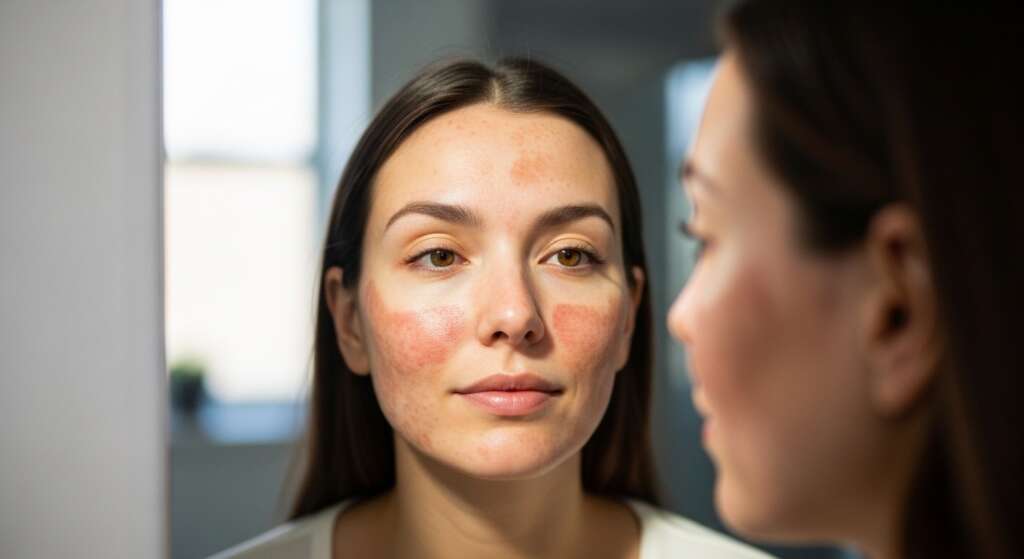
Not all dark spots are the same. Identifying the type helps determine the most effective hyperpigmentation remover.
Melasma
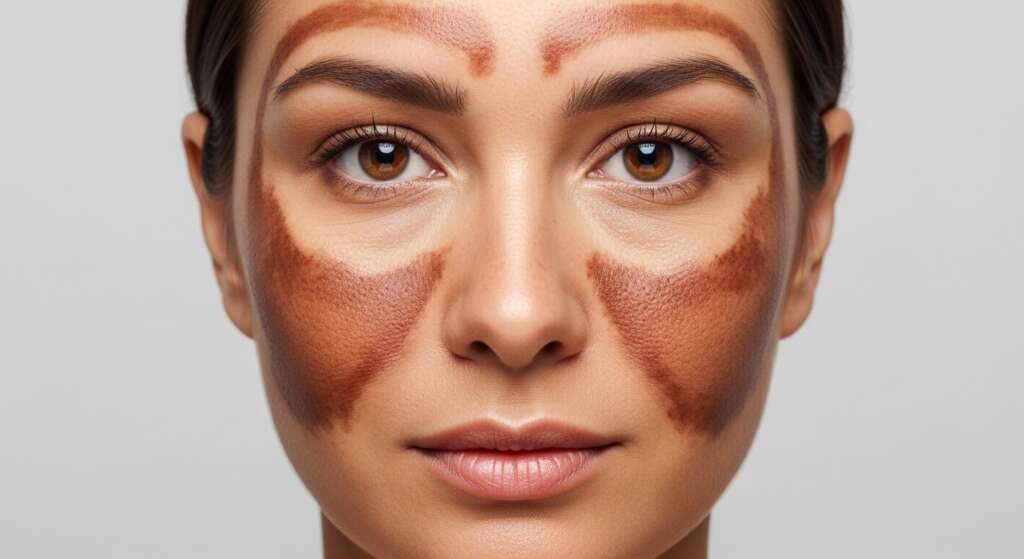
Melasma appears as larger, symmetrical patches, usually on the cheeks or forehead. It is strongly linked to hormonal pigmentation and sun exposure. It often requires consistent treatment and strict UV protection.
Post-Inflammatory Hyperpigmentation (PIH)
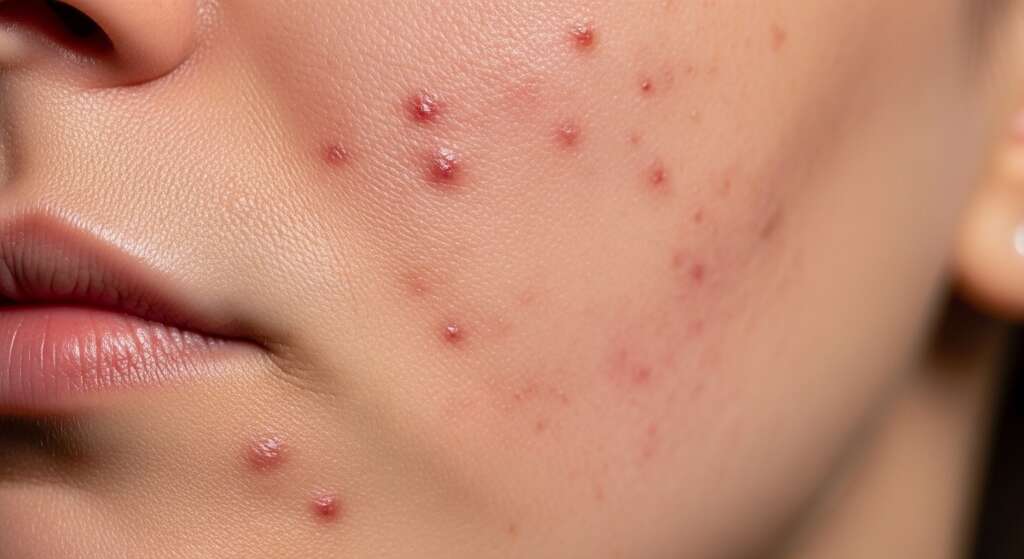
Post-inflammatory hyperpigmentation develops after acne, skin irritation, or minor injuries. These spots may look brown, red, or purple depending on skin tone. Gentle exfoliation and antioxidant protection often help fade stubborn spots over time.
Sun Damage and Age Spots

Sun spots, sometimes called age spots, are caused by repeated UV damage. They typically appear on areas exposed to sunlight, including the face. Preventive sunscreen protection plays a major role in managing them.
Acne-Related Discoloration

Acne scars and acne marks are common forms of discoloration. While scars affect texture, pigmentation changes affect tone. Treatments that improve cell turnover and reduce inflammation can improve texture and tone simultaneously.
How Dark Spot Removers Actually Work

The effectiveness of any dark spot serum for the face depends on how it interacts with the skin renewal cycle. Most clinically tested treatments focus on one or more of the following mechanisms:
- Increasing cell turnover
- Reducing excess melanin production
- Supporting collagen production
- Protecting against further UV damage
- Strengthening the skin barrier
Cell turnover is the natural exfoliation process where old skin cells are shed, and new ones replace them. Ingredients that accelerate this process help remove pigmented surface cells faster.
Antioxidant protection reduces oxidative stress caused by environmental exposure. This helps prevent additional discoloration while improving complexion over time.
Some ingredients directly reduce melanin production, which helps fade dark spots fast when used consistently. Others support the skin barrier to reduce irritation and maintain hydration, preventing new inflammation.
Understanding this science helps users select a dermatologist-recommended dark spot remover based on skin type and sensitivity rather than marketing claims.
Ingredients That Dermatologists Recommend
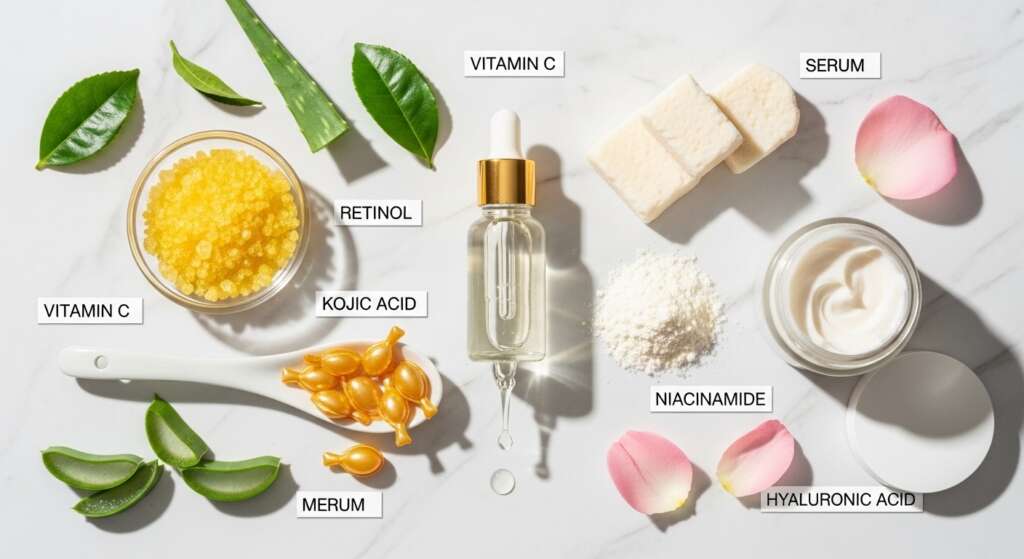
The most effective dark spot corrector formulas rely on well-studied active ingredients. Each ingredient works differently and suits specific skin needs.
Vitamin C
Vitamin C is known for antioxidant protection and skin brightening. It helps reduce the appearance of sun damage spots and improves uneven skin tone. It is suitable for most skin types and is often safe for daily use in the morning.
Retinol
Retinol increases cell turnover and supports collagen production. It improves texture and helps fade stubborn spots. It is typically used at night and may require gradual introduction to prevent skin irritation.
Niacinamide
Niacinamide supports the skin barrier and reduces inflammation. It helps minimize discoloration treatment concerns while being gentle enough for sensitive skin.
Hydroquinone
Hydroquinone is a strong melanin inhibitor often used in prescription dark spot treatment plans. It can be effective for melasma treatment, but should be used under professional guidance.
Alpha Arbutin
Alpha arbutin offers a milder alternative to hydroquinone. It targets pigmentation correction while remaining suitable for daily routines.
Kojic Acid
Kojic acid helps reduce melanin production and works well in combination formulas designed for evening skin tone.
Glycolic Acid
Glycolic acid supports gentle exfoliation and improves texture. It helps brighten skin by removing pigmented surface cells.
Salicylic Acid
Salicylic acid is useful for acne-prone skin. It clears pores while helping reduce acne marks.
Azelaic Acid
Azelaic acid reduces inflammation and is effective for post-inflammatory hyperpigmentation and rosacea-prone skin.
Hyaluronic Acid
Hyaluronic acid does not directly treat pigmentation but maintains hydration. A healthy skin barrier reduces irritation and improves visible results.
Tranexamic Acid
Tranexamic acid is increasingly used in melasma treatment due to its ability to reduce pigmentation pathways influenced by inflammation.
Ingredient Comparison Table
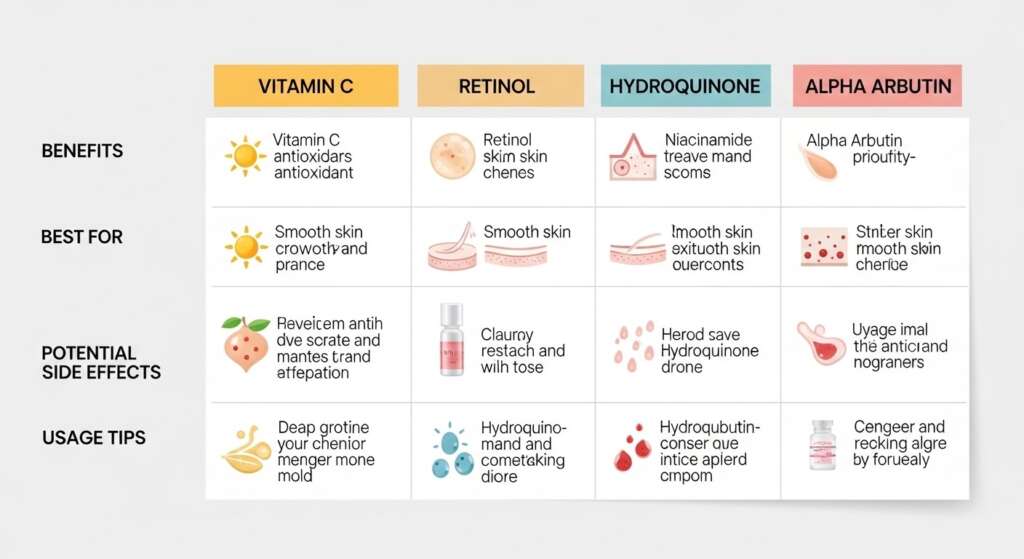
| Ingredient | Best For | Strength Level | Time to See Results | Skin Type | Notes |
| Vitamin C | Sun spots, uneven skin tone | Mild to Moderate | 4–8 weeks | All skin types | Antioxidant protection, morning use |
| Retinol | Acne marks, texture issues | Moderate | 6–12 weeks | Oily to normal | Night use, improves cell turnover |
| Niacinamide | Sensitive skin discoloration | Mild | 4–6 weeks | Sensitive, dry | Supports skin barrier |
| Hydroquinone | Stubborn melasma | Strong | 4–12 weeks | Resistant pigmentation | Professional supervision advised |
| Alpha Arbutin | Mild hyperpigmentation | Mild | 6–8 weeks | All skin types | Gentle daily use |
| Glycolic Acid | Surface discoloration | Moderate | 4–8 weeks | Normal to oily | Exfoliation process support |
| Azelaic Acid | PIH and inflammation | Mild to Moderate | 6–8 weeks | Sensitive, acne-prone | Reduces redness and pigmentation |
Best Dark Spot Remover by Skin Type

Choosing the right dark spot serum for face depends heavily on your skin type. Ingredients, formulation, and absorption can vary, making some options better for specific needs. Below is a detailed guide:
For Sensitive Skin
- Key Ingredients: Niacinamide, Alpha Arbutin, Hyaluronic Acid
- Gentle exfoliation and hydration reduce irritation
- Look for fragrance-free, dermatologist-approved formulas
- Avoid strong acids or high-concentration retinol
For Oily Skin
- Key Ingredients: Salicylic Acid, Vitamin C, Retinol (low concentration)
- Lightweight, fast-absorbing creams or serums
- Helps unclog pores while reducing acne marks
- Non-comedogenic formulas prevent breakouts
For Dry Skin
- Key Ingredients: Hyaluronic Acid, Vitamin C, Niacinamide
- Focus on hydration while brightening
- Use moisturizing serums and layer under gentle creams
- Avoid harsh chemical exfoliants that may cause irritation
For Acne-Prone Skin
- Key Ingredients: Salicylic Acid, Azelaic Acid, Retinol
- Targets post-inflammatory hyperpigmentation (PIH)
- Reduces redness and pigmentation
- Daily sunscreen is essential to prevent dark spot recurrence
For Melanin-Rich Skin
- Key Ingredients: Vitamin C, Tranexamic Acid, Kojic Acid
- Gradual fading of stubborn dark patches
- Avoid over-exfoliation and strong hydroquinone without guidance
- Patience is critical as results can take several weeks
For Men
- Key Ingredients: Vitamin C, Retinol, Niacinamide
- Lightweight and fast-absorbing products suit shaving routines
- Focus on post-shave irritation that can lead to PIH
- Consistency and SPF usage remain essential
What is the duration required for dark spots to disappear?
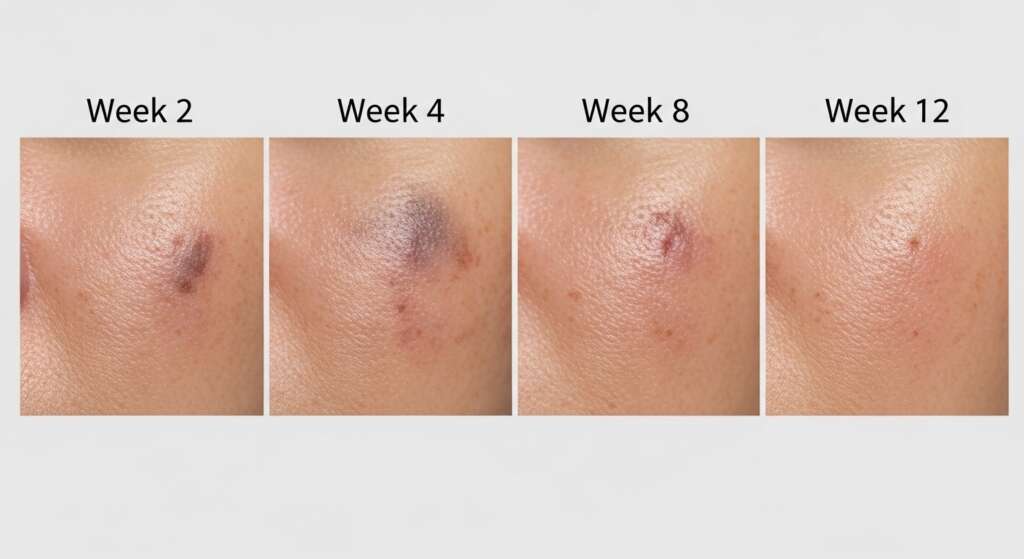
Realistic timelines help set expectations and prevent frustration:
| Duration | Expected Results | Notes |
| 2 Weeks | Slight brightening | Best with consistent morning + night routine |
| 4 Weeks | Noticeable fading | Active ingredients start working; early results |
| 8 Weeks | Significant improvement | Most dermatologist-recommended formulas show effect |
| 12+ Weeks | Maximum fading | Stubborn spots like melasma may take longer; continue sun protection |
Factors affecting results:
- Skin type and pigmentation depth
- Consistency of use
- Daily sunscreen and UV protection
- Combination of active ingredients
Prescription vs Over-the-Counter Treatments
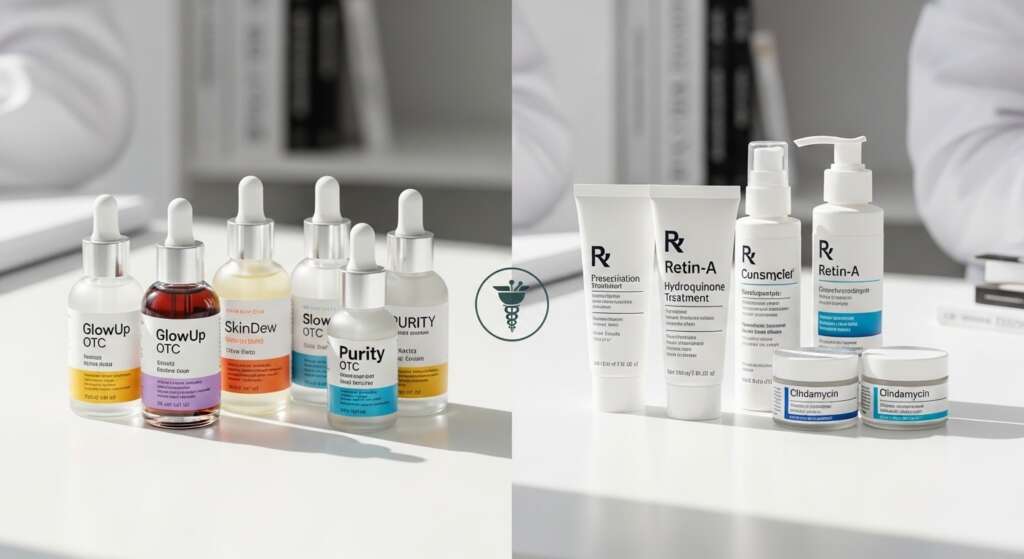
Over-the-Counter (OTC)
- Mild to moderate pigmentation
- Ingredients: Vitamin C, Niacinamide, Alpha Arbutin, Glycolic Acid
- Suitable for sensitive and daily use
- Visible results often in 4–8 weeks
Prescription
- Stubborn hyperpigmentation, melasma
- Ingredients: Hydroquinone, higher-strength retinoids, Tranexamic Acid
- Requires professional guidance
- Faster results but higher risk of irritation
Common Mistakes That Slow Results
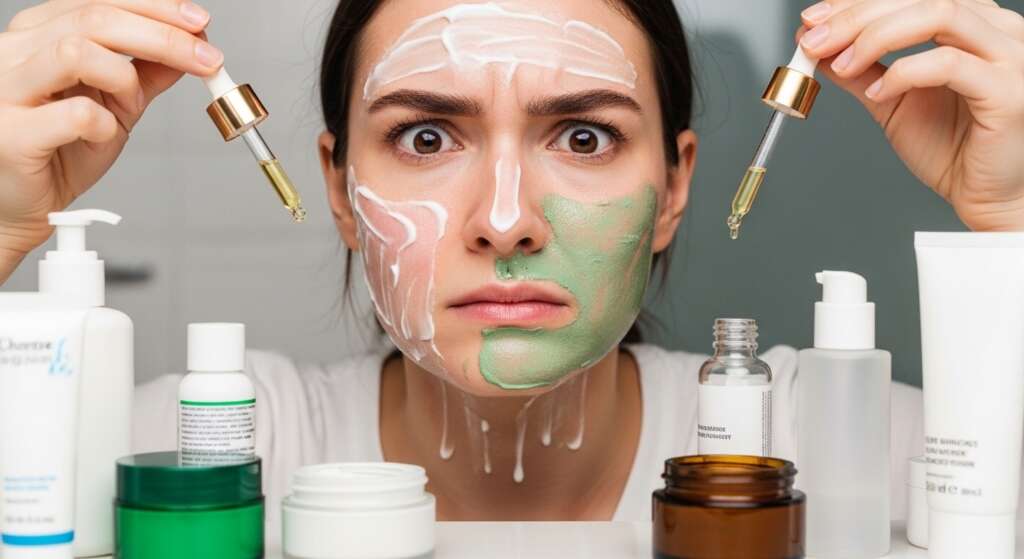
Even the best dark spot remover for face may not work if routines are inconsistent or incorrect:
- Skipping sunscreen, causing new sun damage spots
- Layering too many acids or active ingredients at once
- Neglecting night routines that aid skin renewal
- Over-exfoliating or applying products too frequently
- Failing to patch test, leading to irritation or flare-ups
Additional Tips for Success
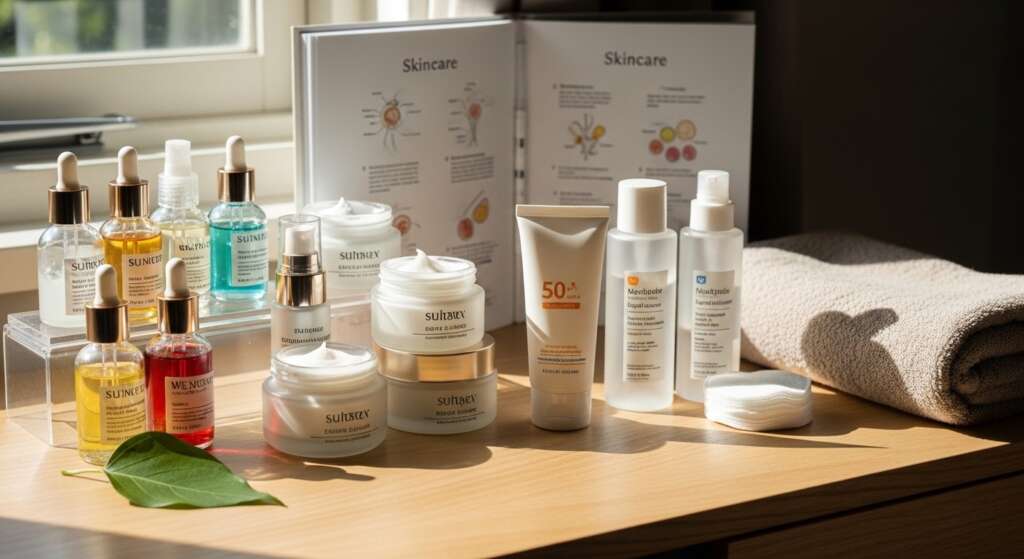
- Combine gentle exfoliation with antioxidant protection
- Layering: lighter serums first, heavier creams later
- Patience: visible results can take several weeks
- Track progress with weekly photos to monitor improvement
How to Use Dark Spot Remover Correctly
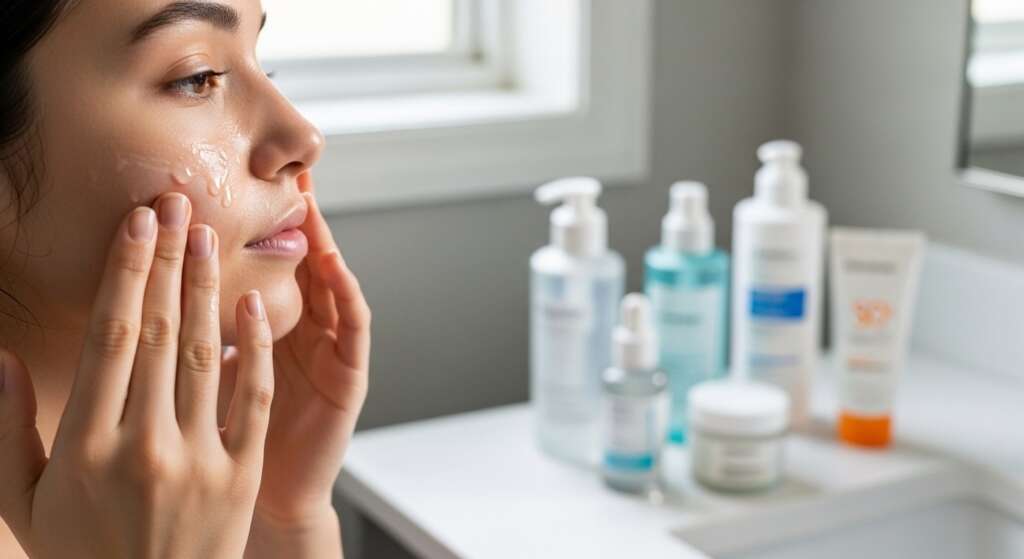
Proper application ensures maximum benefit from the best dark spot remover for face:
Morning Routine
- Cleanse your face with a gentle, non-stripping cleanser
- Apply antioxidant serums (Vitamin C or Niacinamide)
- Follow with lightweight moisturizer if needed
- Finish with broad-spectrum SPF 30+ every day, even indoors
Night Routine
- Cleanse thoroughly to remove sunscreen and impurities
- Apply targeted treatments (Retinol, Hydroquinone, or Azelaic Acid)
- Layer hydration serums or creams to maintain skin barrier
- Avoid mixing multiple strong acids in one session
Patch Test and Layering
- Prior to full-face usage, test new products on a tiny area.
- Apply stronger actives on alternate nights to reduce irritation
- Track results with weekly photos
Can Dark Spots Come Back After Treatment?
- Recurrence is possible if the root causes remain, such as UV exposure or hormonal changes
- Daily sunscreen and protective routines are essential
- Maintenance with mild brightening serums can prevent new spots
- Consistency matters more than frequency of strong treatments
Final Thoughts:
Addressing dark spots is a journey of patience, consistency, and understanding. The best dark spot remover for face depends on your skin type, pigmentation type, and ingredient selection. Using scientifically-backed ingredients, maintaining daily sun protection, and following structured routines ensures visible improvement while protecting the skin barrier.
Clear, even skin is achieved through knowledge, careful application, and sustainable habits — not quick fixes. Maintaining a balanced routine, protecting against UV damage, and choosing dermatologist-recommended treatments empower you to fade dark spots safely and effectively.
Frequently Asked Questions
What is the best dark spot remover for face in 2026?
Products containing Vitamin C, Retinol, Niacinamide, or Tranexamic Acid are widely recommended for clear, even skin.
What is the duration required for black patches to disappear?
Most visible improvement appears in 4–8 weeks; stubborn spots may take up to 12 weeks with consistent use.
Do dark spot removers really work?
Yes, when used consistently with appropriate ingredients and daily sun protection, they significantly reduce pigmentation.
What ingredient works fastest for hyperpigmentation?
Hydroquinone and Tranexamic Acid provide faster results, but gentler options like Vitamin C and Niacinamide are safer for long-term daily use.
Is hydroquinone safe for long-term use?
Hydroquinone should be used under professional guidance, typically in cycles, to minimize irritation and maintain safety.
Can men use dark spot remover?
Absolutely. Men’s skin benefits from lightweight, fast-absorbing serums and routines tailored to shaving and post-shave irritation.
Which is better: Vitamin C or Retinol for dark spots?
Vitamin C is best for antioxidant protection and is ideal for daytime use, helping to reduce the effects of sun damage. Retinol, on the other hand, supports cell turnover and improves skin texture, making it most effective when applied at night. When used together in a properly structured routine, these ingredients complement each other and enhance overall results.