In the pursuit of hydrated, radiant skin, hyaluronic acid powder has become a cornerstone ingredient for skincare enthusiasts and professionals alike. Known for its hydration benefits and ability to enhance skin elasticity, this natural glycosaminoglycan plays a critical role in maintaining youthful, resilient skin. Unlike pre-mixed serums, HA powder offers flexibility in formulation and allows individuals to create a DIY hyaluronic acid serum tailored to their specific skincare needs.
One of the defining characteristics of hyaluronic acid is its exceptional water-attracting molecule property. This makes it a potent humectant, capable of drawing and retaining moisture within the skin’s layers. Whether used in cosmetic formulations or personalized skincare routines, understanding the properties and applications of sodium hyaluronate powder is key to maximizing its potential.
| Key Feature | Description |
| Hydration Benefits | Enhances moisture retention and supports skin barrier function |
| Anti-Aging Effects | Reduces the appearance of fine lines and wrinkles |
| Custom Formulation | DIY serum creation with controlled concentration |
| Versatility | Compatible with various skincare routines and products |
| Molecular Weight Consideration | Adjusting the HA powder molecular weight affects absorption and efficacy |
Understanding What Hyaluronic Acid Powder Is
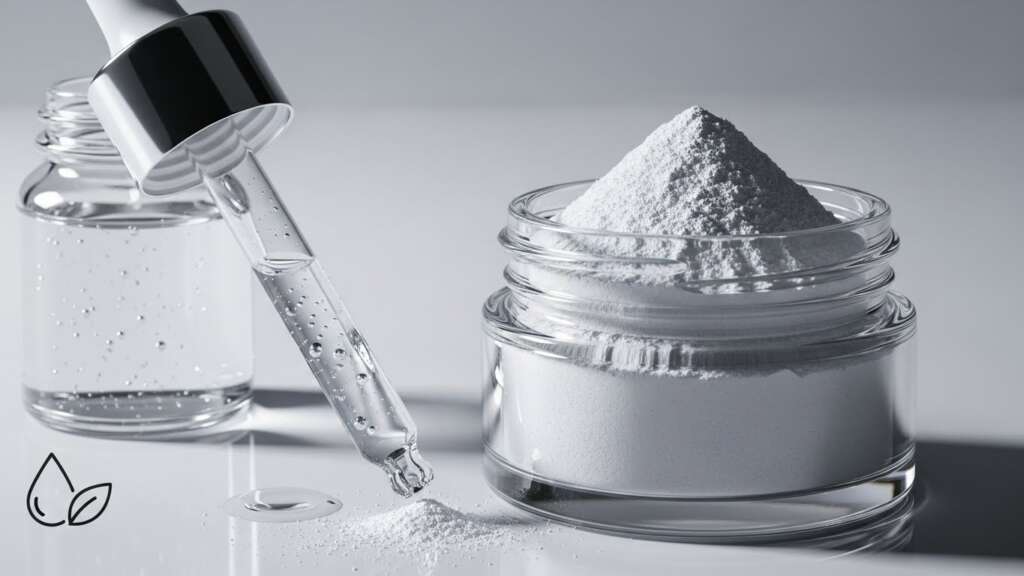
Hyaluronic acid powder is the dehydrated form of hyaluronic acid, commonly used in skincare for its capacity to improve moisture retention and skin texture. In its pure form, HA powder allows for precise control over concentration, enabling the formulation of hydration serums with specific molecular weight targets. The solubility and dissolution of sodium hyaluronate powder in distilled water are crucial steps for achieving consistent serum consistency.
When applied topically, hyaluronic acid forms a thin, invisible layer on the skin, locking in hydration and supporting connective tissue health. Its ability to act as a water-attracting molecule makes it one of the most sought-after ingredients for both preventive and corrective skincare.
Why Dermatologists Recommend HA Powder
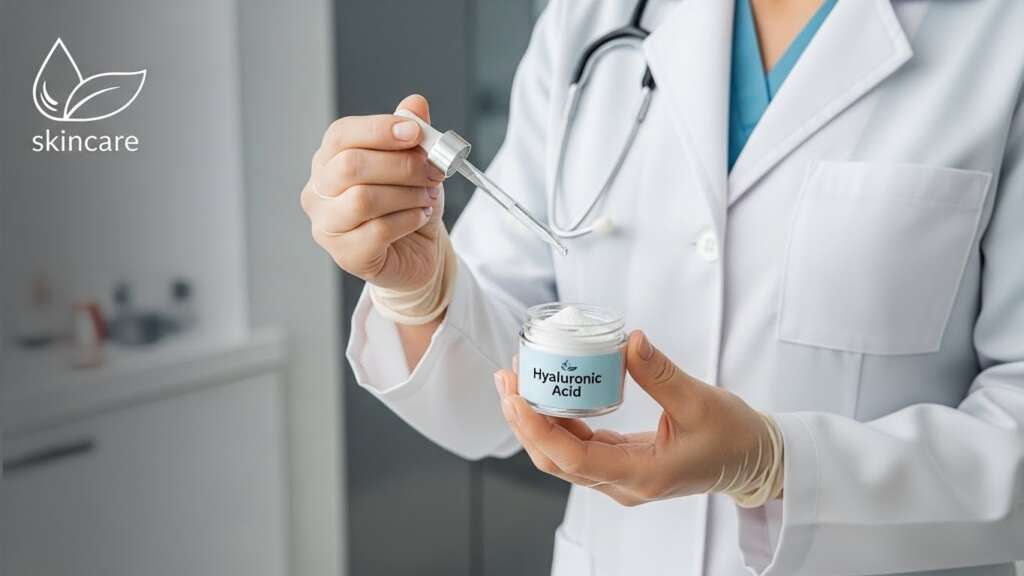
Many dermatologists advocate for hyaluronic acid powder due to its versatility and efficacy. Unlike some ready-made formulations, HA powder provides the ability to customize DIY skincare ingredient blending, adjusting the concentration to suit different skin types. Whether targeting joint lubrication in medical applications or skin elasticity in cosmetic use, sodium hyaluronate demonstrates both hydration benefits and structural support.
Key dermatological insights include:
- Low molecular weight HA penetrates deeper layers for enhanced hydration
- High molecular weight HA creates a surface film for immediate moisture retention
- Can be safely incorporated into various hydration serums and topical treatments
How Hyaluronic Acid Powder Supports Skin Hydration
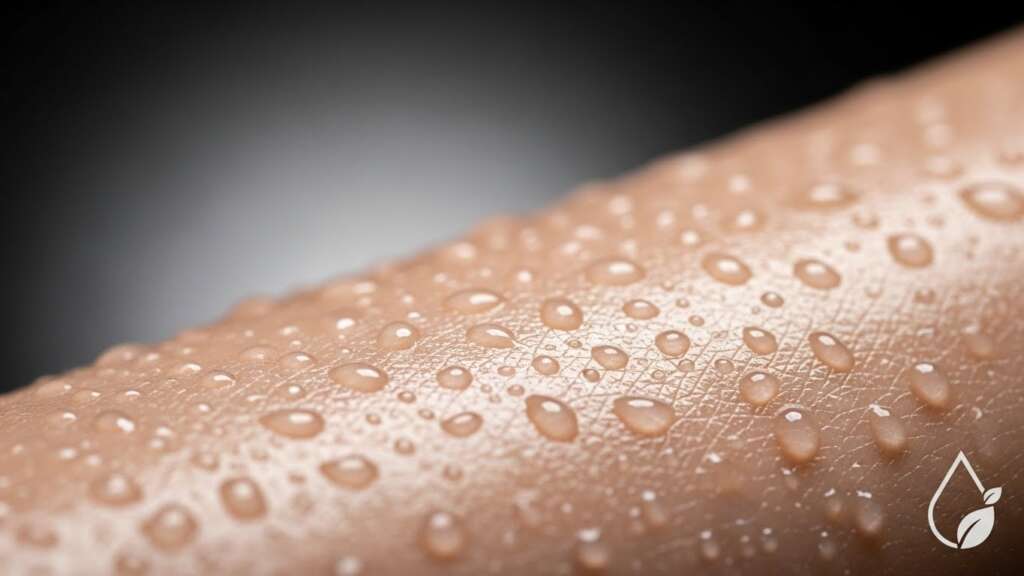
One of the primary advantages of hyaluronic acid powder is its role in skin hydration. By functioning as a humectant, it attracts water from the environment and retains it within the skin. This results in plumper skin, reduced appearance of fine lines, and improved skin barrier support.
The water holding capacity HA varies depending on molecular weight, with higher molecular weight forms primarily contributing to surface hydration and lower molecular weight forms penetrating deeper layers. This dual functionality ensures that the skin remains moisturized, elastic, and resilient.
Creating a DIY Hyaluronic Acid Serum with HA Powder
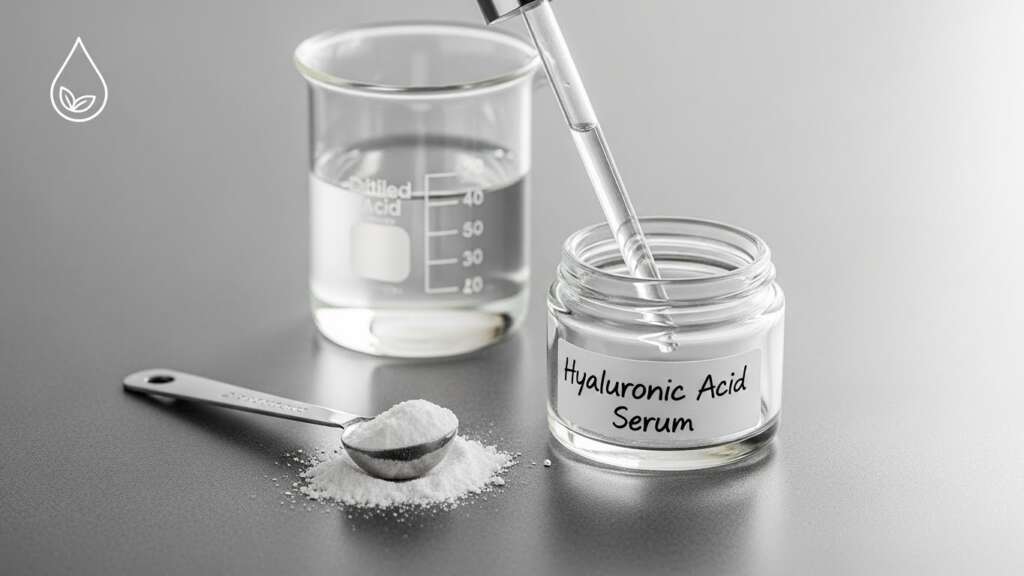
For enthusiasts looking to craft a DIY hyaluronic acid serum, HA powder is an ideal base. Here’s a step-by-step approach:
- Measure the desired concentration of sodium hyaluronate powder (typically 0.1–2%).
- Dissolve HA powder in distilled water, ensuring proper dissolution to avoid clumps.
- Adjust the pH to around 5.5–6.0 for skin compatibility.
- Optionally, incorporate compatible ingredients such as glycerin or botanical extracts, ensuring DIY skincare ingredient blending principles are followed.
- Store in a sanitized container, with attention to preservatives for shelf-life enhancement.
This process enables complete control over your hydration serum, allowing for custom concentrations and ensuring optimal serum consistency.
Understanding Molecular Weight and Its Impact
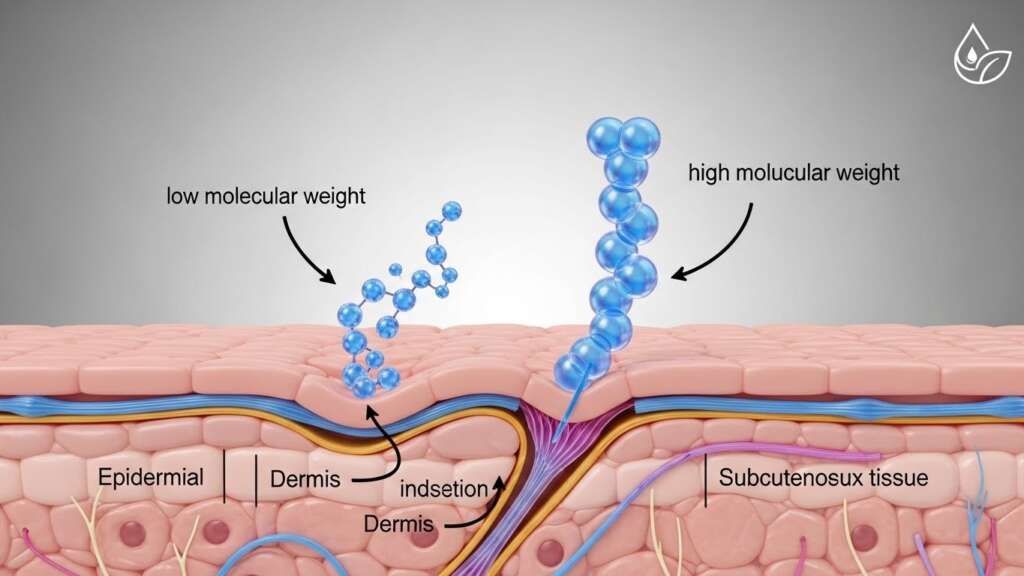
The molecular weight of hyaluronic acid significantly affects its function in skincare. Low molecular weight HA penetrates deeper into the dermis, promoting long-term hydration, while high molecular weight HA primarily reinforces the skin’s surface barrier. Selecting the appropriate HA powder form is crucial for achieving desired outcomes, whether it is enhancing moisture retention, reducing wrinkles, or improving skin elasticity.
Deep Hydration and Enhanced Moisture Retention
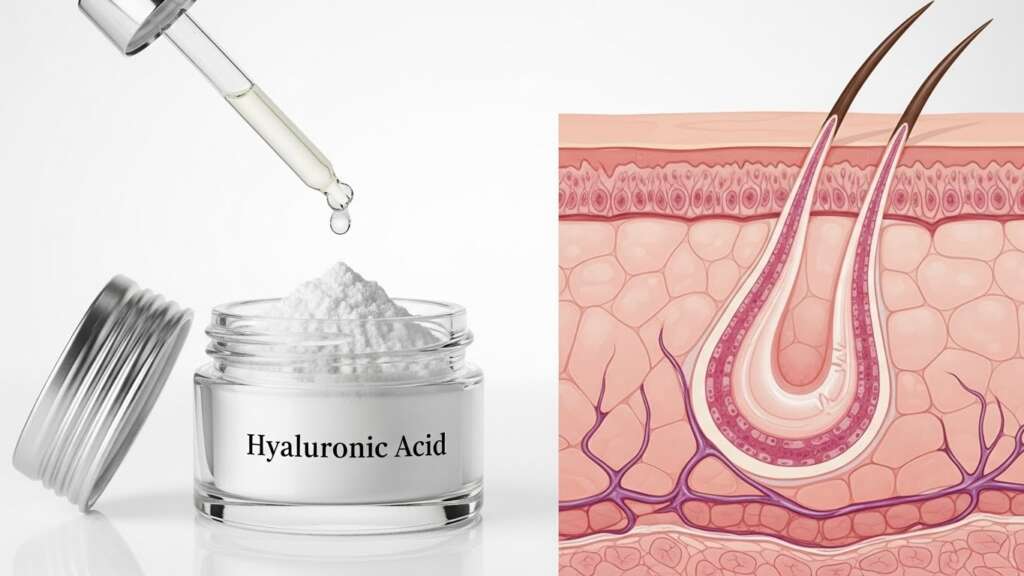
One of the most celebrated advantages of hyaluronic acid powder is its unparalleled ability to provide hydration benefits. As a potent humectant and water-attracting molecule, HA powder draws water into the skin’s layers, improving overall moisture retention. Unlike pre-mixed serums, using sodium hyaluronate powder allows precise control of concentration, ensuring long-lasting hydration tailored to your skin type.
| Benefit | How HA Powder Supports It |
| Deep hydration | Low molecular weight HA penetrates the dermis |
| Surface moisture | High molecular weight HA reinforces the skin barrier |
| Reduced dryness | Locks water within the epidermis for longer periods |
| Skin plumpness | Enhances elasticity and smoothness |
How to use hyaluronic acid powder for optimal hydration:
- Mix HA powder with distilled water, focusing on complete dissolution
- Adjust pH for compatibility
- Incorporate into your DIY hyaluronic acid serum for daily application
This method ensures the skin receives both surface and deep hydration while maintaining serum consistency and avoiding clumping.
Reduction of Fine Lines and Wrinkles

Hyaluronic acid powder is widely recognized for its role in minimizing fine lines and wrinkles. By improving skin elasticity and enhancing hydration benefits, HA powder fills in the spaces between connective tissue, giving skin a smoother, more youthful appearance.
Key points for anti-aging effects:
- The dual functionality of low and high-molecular-weight HA supports both surface and deep hydration
- Increased water holding capacity HA plumps skin, reducing visible lines
- Regular use in hydration serum formulations strengthens skin barrier support
Many dermatologists recommend incorporating hyaluronic acid into both morning and evening routines to maximize anti-aging effects while maintaining overall skin health.
Supports Skin Barrier and Elasticity
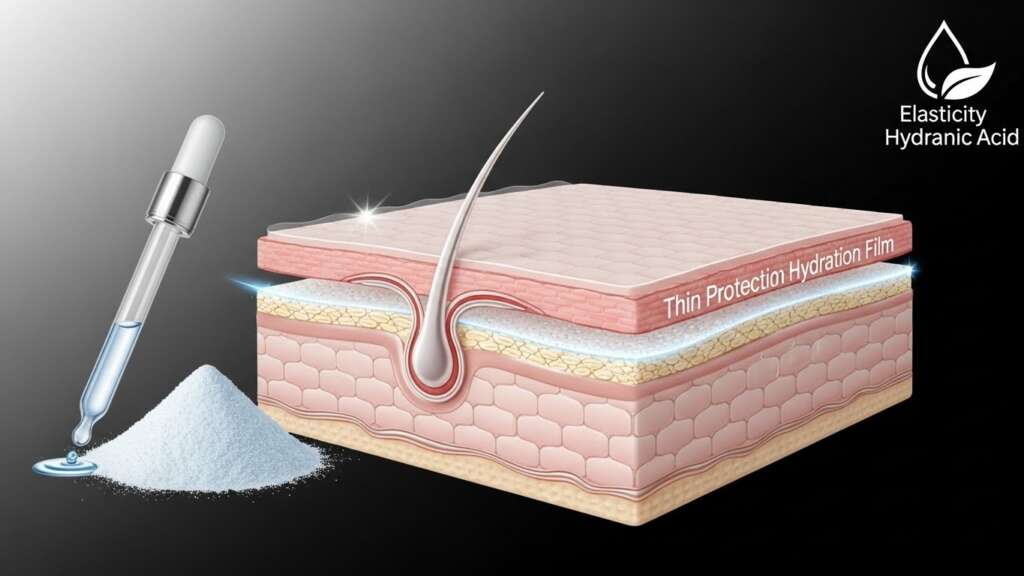
Maintaining a strong skin barrier is crucial for long-term skin health. Hyaluronic acid powder plays a vital role in reinforcing the skin’s protective layer. Through its moisturizing properties and ability to interact with connective tissue, HA powder supports resilience against environmental stressors.
Benefits for the skin barrier:
- Prevents moisture loss by forming a thin, protective film
- Enhances serum consistency when blended in DIY skincare ingredient blending
- Strengthens elasticity for improved skin texture
- Works synergistically with other active ingredients, ensuring compatibility
Incorporating sodium hyaluronate powder in personalized hydration serums allows individuals to fine-tune their routines for enhanced skin elasticity.
Versatility in DIY Skincare Formulations
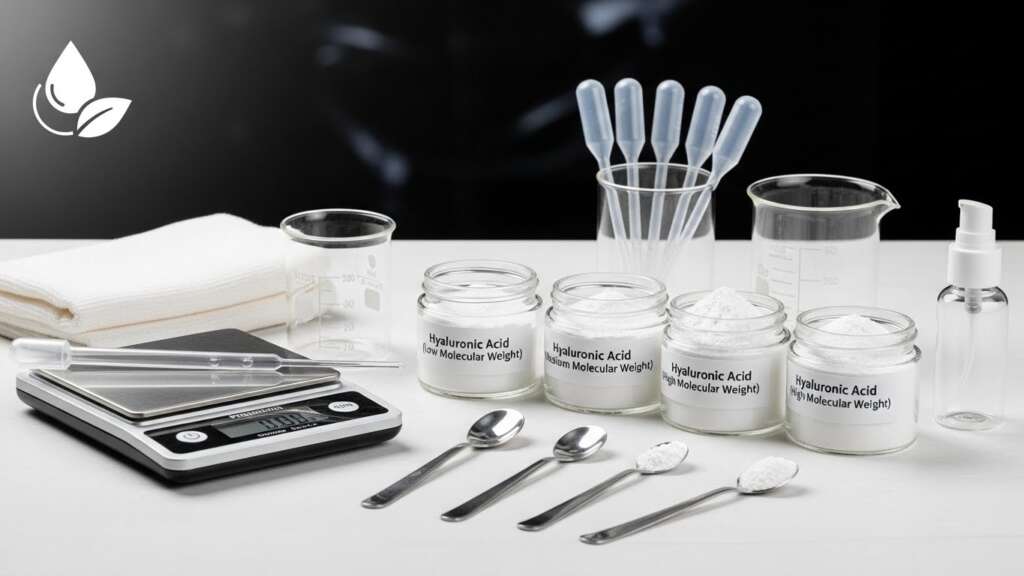
A notable advantage of hyaluronic acid powder is its flexibility in DIY hyaluronic acid serum creation. Unlike pre-formulated serums, HA powder allows users to determine concentration, mix with complementary ingredients, and adjust for molecular weight needs.
DIY serum formulation considerations:
- Step-by-step beginner-friendly guides ensure proper dissolution and blending
- Concentration customization (0.1%–2%) helps achieve targeted hydration benefits
- Can be combined with safe preservatives to extend shelf life
- Ideal for blending with compatible actives without destabilizing the hydration serum
This versatility ensures skincare enthusiasts can create tailored products that maximize anti-aging effects while maintaining a robust skin barrier.
Clinical and Structural Benefits for Skin Health
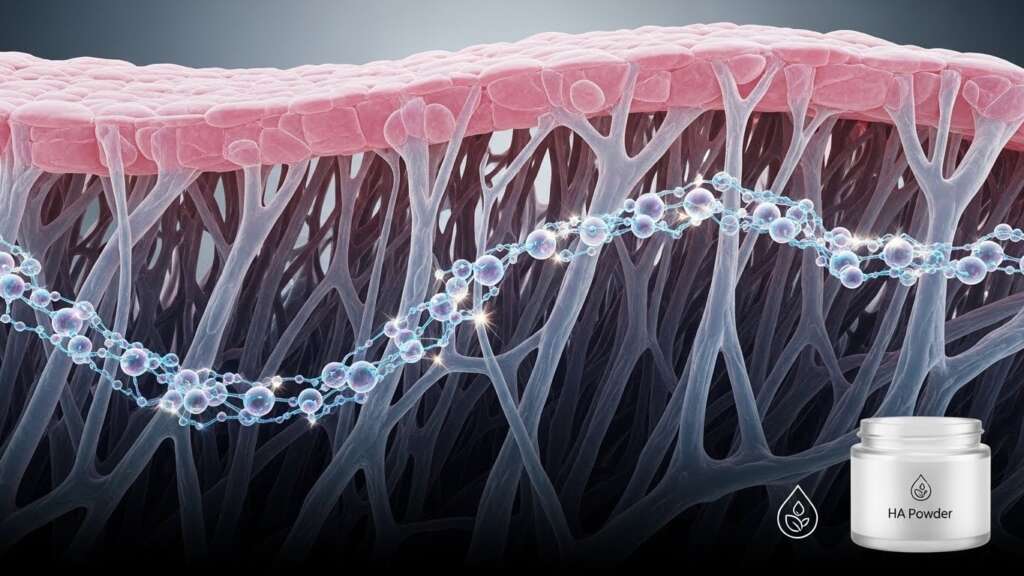
Beyond surface hydration, hyaluronic acid powder supports structural components of the skin. As a natural glycosaminoglycan, it reinforces connective tissue, enhancing the skin’s framework and contributing to long-term skin integrity.
Clinical insights include:
- Supports joint lubrication and elasticity, indirectly benefiting dermal layers
- Helps maintain balanced water-attracting molecule activity for continuous hydration
- Can be integrated into professional formulation science approaches
- Provides a foundation for advanced hydration serums that target specific skin concerns
By focusing on both cosmetic and structural benefits, HA powder offers a comprehensive approach to healthier skin, exceeding the capabilities of standard serum formulations.
Advanced Tips and Safety Guidelines for Using Hyaluronic Acid Powder
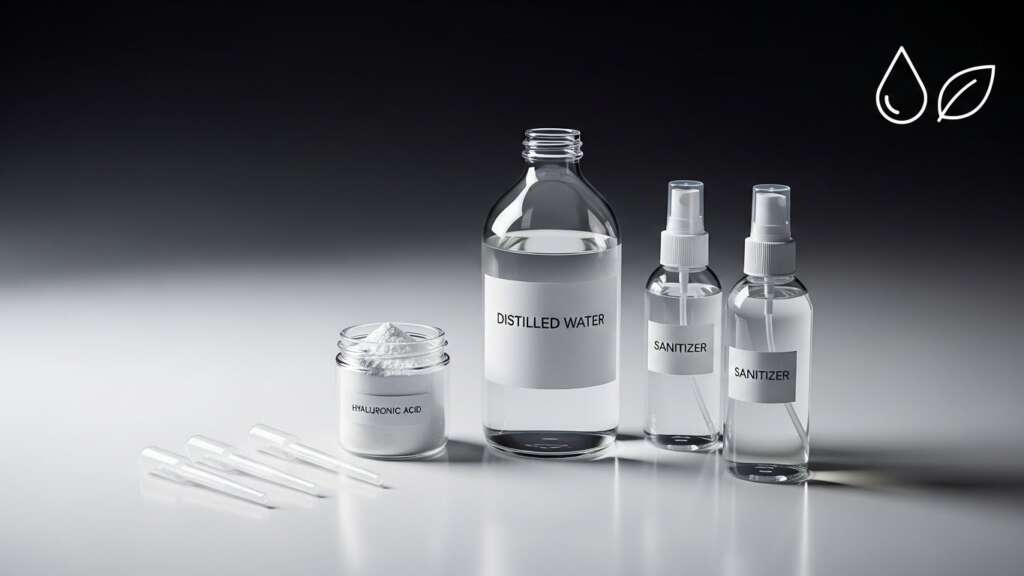
Step-by-Step Beginner-Friendly DIY Serum Guide
Creating a DIY hyaluronic acid serum from HA powder allows precise control over hydration benefits and serum consistency. Follow this step-by-step guide for optimal results:
- Choose the right concentration: Decide between 0.1%–2% depending on skin type and desired water holding capacity HA.
- Dissolution: Slowly add sodium hyaluronate powder to distilled water, stirring gently to ensure complete dissolution.
- Adjust pH: Aim for a pH of 5.5–6.0 to match the skin’s natural barrier.
- Incorporate compatible actives: If desired, add botanical extracts, glycerin, or vitamins, ensuring safe DIY skincare ingredient blending.
- Preserve: Use gentle preservatives to extend shelf life without compromising safety.
- Storage: Store in a clean, airtight container away from light to maintain serum consistency.
By following these steps, users can create a highly effective hydration serum tailored to their individual skincare needs.
Understanding High vs Low Molecular Weight HA Powder
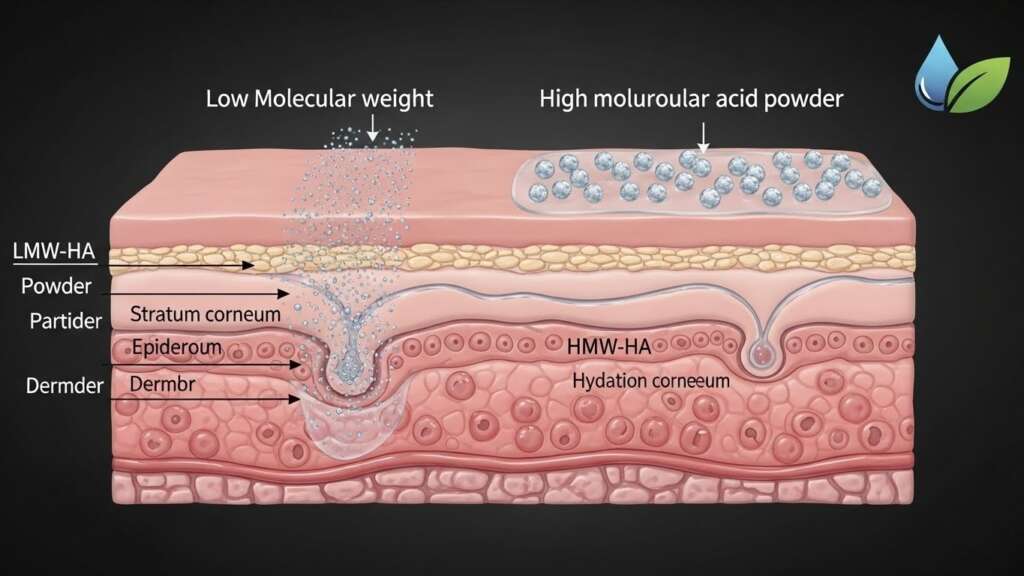
The molecular weight of hyaluronic acid powder determines how it interacts with the skin:
- Low molecular weight HA: Penetrates deeper layers, promoting long-term hydration and improving skin elasticity.
- High molecular weight HA: Forms a protective layer on the surface, enhancing moisture retention and reducing fine lines.
Using a combination of both allows for comprehensive hydration benefits, supporting skin barrier support and reducing wrinkles over time.
Clinical Evidence and Formulation Science
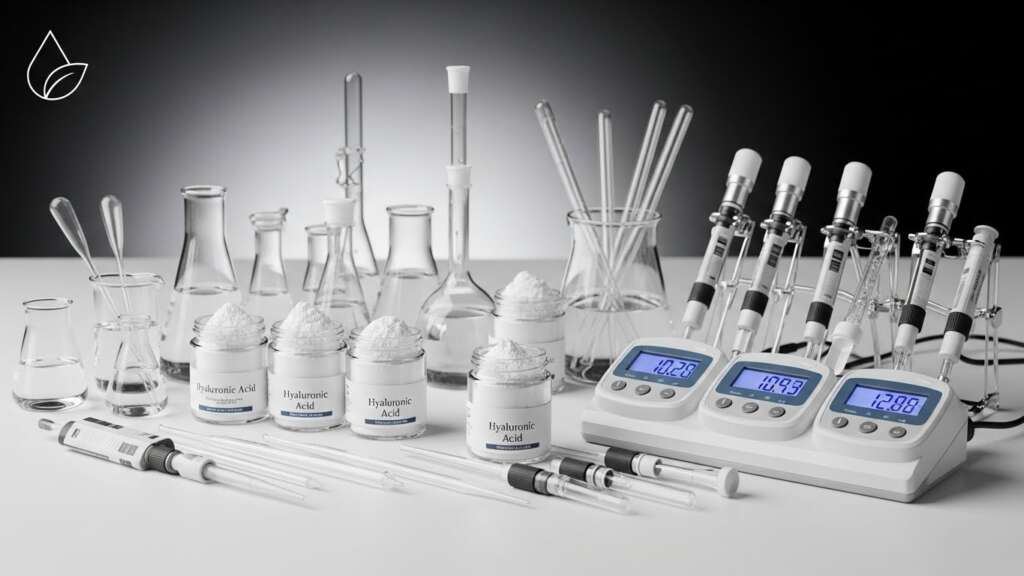
Hyaluronic acid has been extensively studied in both cosmetic and medical applications. As a natural glycosaminoglycan, it supports connective tissue, joint lubrication, and overall skin structure.
Key findings include:
- Significant improvement in skin hydration after regular topical use
- Reduction of fine lines and wrinkles in clinical studies
- Enhanced skin barrier function with proper DIY hyaluronic acid serum application
- Effective for all skin types, including sensitive skin, when applied correctly
These studies reinforce the importance of selecting the correct HA powder concentration and molecular weight for personalized skincare solutions.
Do’s and Don’ts of Mixing HA Powder with Other Actives
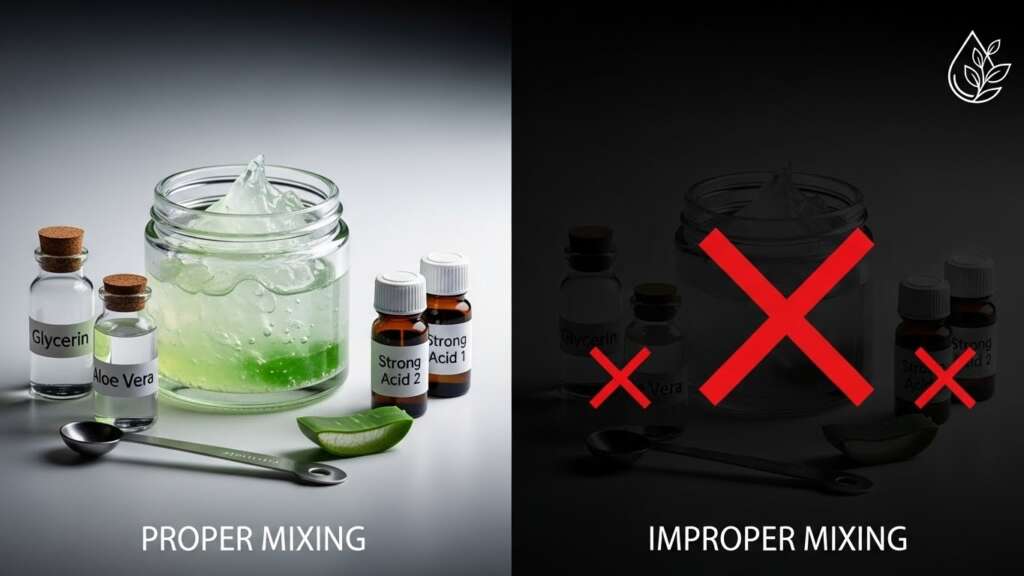
When formulating a DIY hyaluronic acid serum, it is critical to follow safe mixing practices:
Do’s:
- Combine with compatible hydrating agents like glycerin or aloe vera
- Maintain pH between 5.5–6.0 for skin compatibility
- Use gentle preservatives to extend shelf life
- Blend using clean tools to ensure optimal serum consistency
Don’ts:
- Avoid mixing with strong acids or exfoliants directly
- Do not exceed recommended concentration (0.1%–2%)
- Avoid incompatible vitamins or actives that can destabilize hydration serum
Following these guidelines ensures both safety and efficacy of your HA powder-based serum.
Preservatives and Shelf-Life Guidance
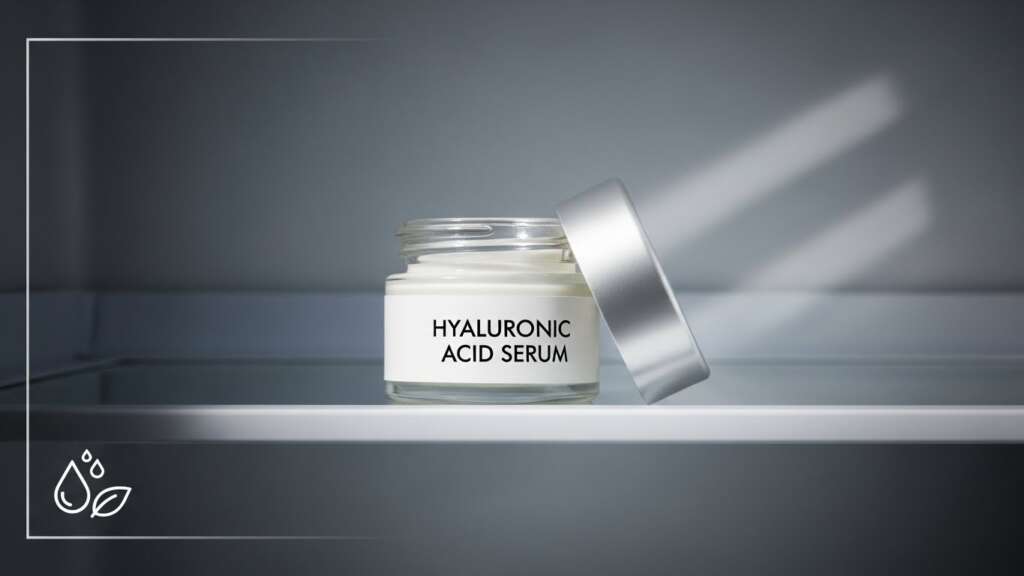
Proper preservation is essential when creating a DIY hyaluronic acid serum:
- Use mild, skin-safe preservatives to prevent bacterial growth
- Keep out of direct sunlight and heat in an airtight container.
- Refrigeration can extend shelf life and maintain serum consistency
- Avoid water contamination by using sanitized equipment during preparation
By implementing these measures, you can safely enjoy all hydration benefits of hyaluronic acid powder over time.
Concentration Chart for HA Powder
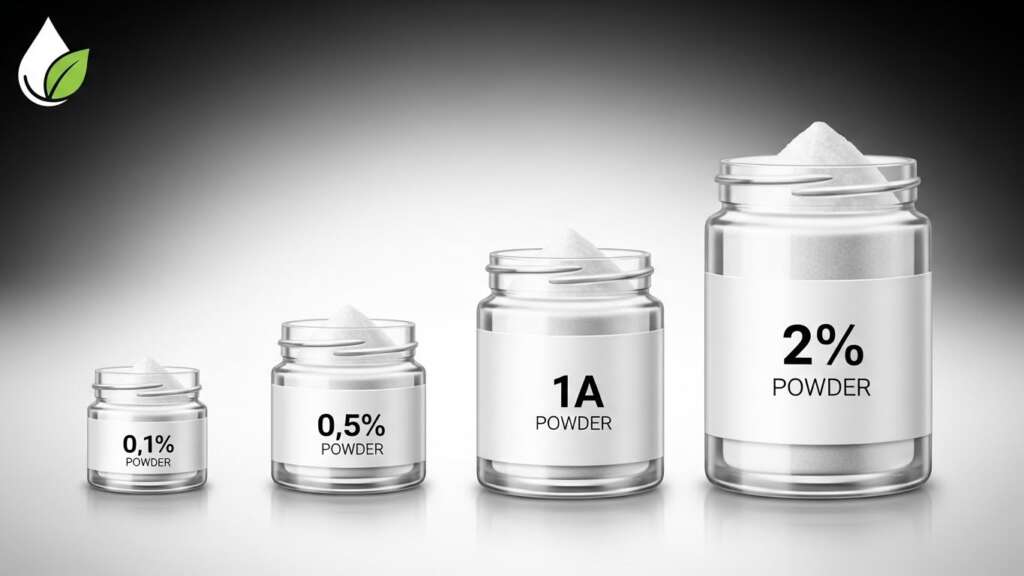
A simple concentration chart can help determine the right formulation for your skin:
| Concentration | Recommended Use | Benefits |
| 0.1% | Sensitive or beginner skin | Light hydration, surface moisture |
| 0.5% | Normal skin | Moderate hydration, improved skin elasticity |
| 1% | Dry or mature skin | Intense hydration, reduction of fine lines |
| 2% | Targeted hydration | Maximum water holding capacity HA, enhanced anti-aging effects |
This chart ensures safe application while achieving the desired hydration benefits.
Final Thoughts:
Incorporating hyaluronic acid powder into your skincare routine provides multi-faceted hydration benefits:
- Supports skin barrier support and moisture retention
- Reduces fine lines and wrinkles
- Enhances skin elasticity through molecular weight customization
- Enables DIY hyaluronic acid serum tailored to individual needs
- Provides a versatile ingredient for both cosmetic and structural skin support
By following proper formulation, preservation, and usage guidelines, HA powder can transform skincare routines into highly effective, personalized treatments.
FAQS:
Q1: How to mix hyaluronic acid powder for skin effectively?
Dissolve slowly in distilled water, adjust pH, and blend compatible actives carefully to maintain serum consistency.
Q2: Can hyaluronic acid powder be used during pregnancy?
Yes, it is safe as a natural glycosaminoglycan, but consult a healthcare provider for personalized advice.
Q3: What should I never mix with hyaluronic acid?
Avoid strong acids and exfoliants; follow safe DIY skincare ingredient blending practices to prevent irritation.
Q4: What is the ideal concentration for beginners?
Start with 0.1%–0.5% HA powder for gradual hydration benefits and adjust as skin tolerance improves.