
Liposomal vitamin C has emerged as one of the most effective ways to enhance overall immune support, promote skin health, and maintain optimal brain function. Unlike conventional vitamin C supplements, liposomal forms use liposomes, tiny fat-like vesicles, to deliver nutrients more efficiently. This advanced delivery system improves bioavailability, ensures better absorption, and protects vitamin C from degradation in the digestive system.
Many people are unaware of how liposome-encapsulated vitamin C works, its clinical advantages, and why it has become a popular nutraceutical for both daily wellness and targeted therapeutic applications. Understanding its unique mechanism can help you make informed decisions about incorporating this supplement into your daily regimen.
Key Features of Liposomal Vitamin C
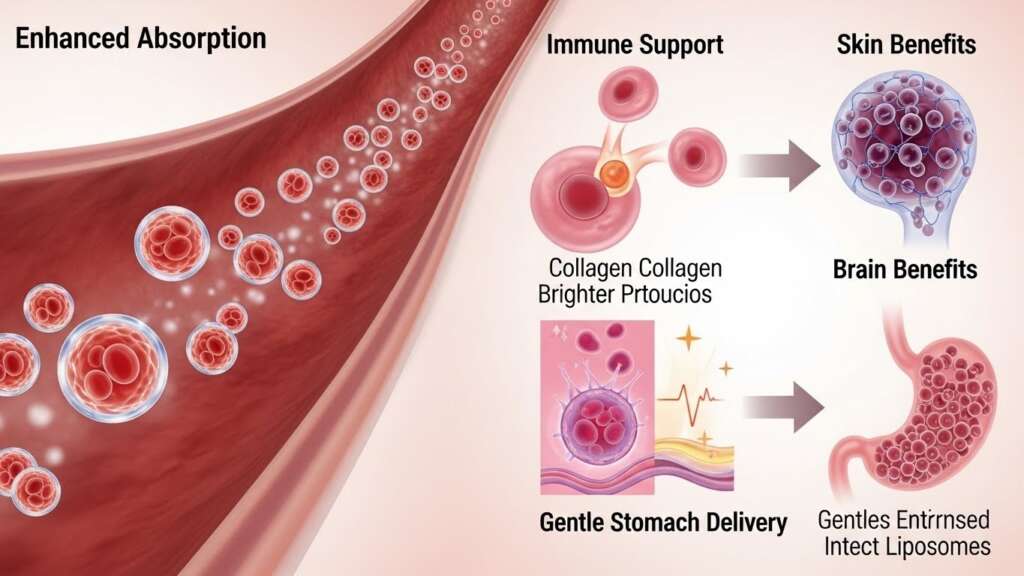
Before diving into the five powerful benefits, here’s a quick overview of why liposomal vitamin C stands out compared to traditional supplements:
| Feature | Description |
| Enhanced Absorption | Encapsulated in liposomes for better absorption, which protects vitamin C from stomach acid and ensures higher blood levels. |
| Immune Support | Boosts immune system function by increasing white blood cell activity and reducing oxidative stress. |
| Skin & Collagen Benefits | Supports collagen production, maintaining skin barrier integrity and elasticity. |
| Brain Health | Essential for neurotransmitter production and protecting the brain from free radical damage. |
| Gentle on the Stomach | Unlike high-dose oral supplements, liposomal vitamin C is gentle on the stomach and less likely to cause gastrointestinal discomfort. |
These features highlight why many health practitioners and functional medicine experts recommend liposomal vitamin C as a superior alternative to traditional vitamin C forms.
How Liposomal Vitamin C Works

The primary reason liposomal vitamin C outperforms standard vitamin C lies in its delivery system. Liposomes are microscopic vesicles made of phospholipids, the same material found in cell membranes. These vesicles encapsulate vitamin C, shielding it from stomach acid and enzymatic degradation.
Once ingested, the cellular uptake of vitamin C improves significantly, allowing more of the nutrient to reach target tissues, including the adrenal glands, skin, and brain. Studies have shown that liposomal forms can achieve blood levels of vitamin C far higher than conventional oral supplements. This enhanced delivery ensures that your body receives maximum benefit from each dose.
The therapeutic applications of liposomal vitamin C are also noteworthy. Because it reaches tissues more effectively, it can aid in reducing oxidative stress, support collagen synthesis, and contribute to cellular antioxidant defense, all crucial for long-term health.
Table of Core Benefits at a Glance
| Benefit | Mechanism | Key Keywords |
| Immune System Support | Increases activity of white blood cells; reduces oxidative stress | Immune support, antioxidant, oxidative stress, immune system support |
| Skin Health & Collagen | Promotes collagen production; maintains skin barrier | Collagen, skin health, collagen production, skin barrier |
| Brain Function | Supports neurotransmitter synthesis; protects against free radicals | Brain health, neurotransmitter production, antioxidant protection, brain function |
| Nutrient Delivery | Liposomes enhance absorption and protect from stomach acid | Bioavailability, absorption, liposomes, protects vitamin C from stomach acid |
| Gentle Dosage | High doses tolerated without gastrointestinal discomfort | Dosage, liquid vitamin C, gentle on the stomach, vitamin C absorption |
This table helps clarify how liposomal vitamin C simultaneously addresses multiple areas of health, making it an ideal choice for daily supplementation and targeted therapeutic strategies.
The Science Behind Liposomal Vitamin C
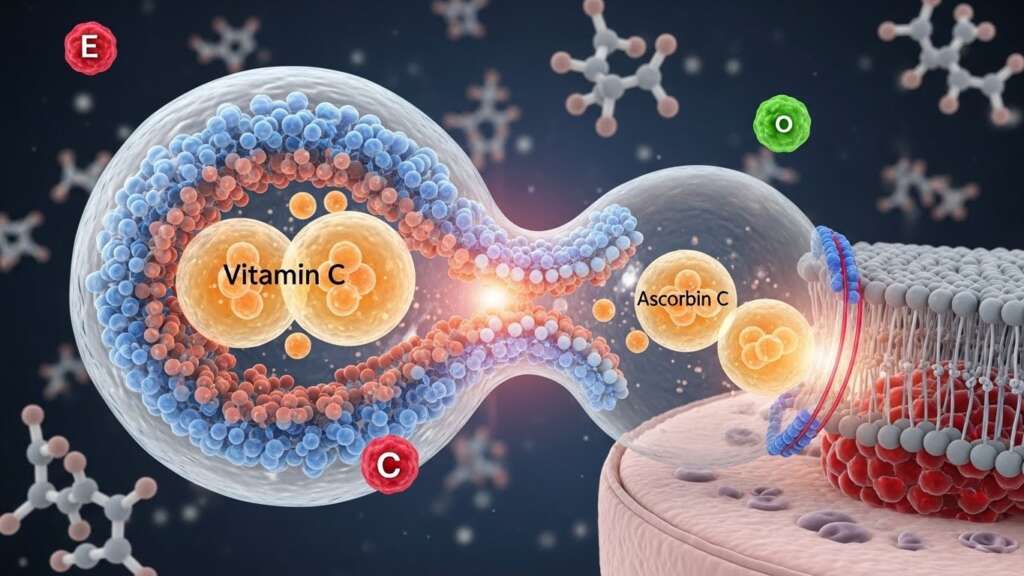
The answer lies in its micronutrient delivery system. Ascorbic acid, the active form of vitamin C, is water-soluble and traditionally suffers from poor absorption when taken in large doses. Liposomal encapsulation prevents early breakdown in the stomach, increasing cellular antioxidant defense and stress response support.
Additionally, liposomal vitamin C has been clinically researched for its ability to improve blood levels of vitamin C significantly more efficiently than regular oral supplements. These benefits extend to supporting bone & joint health, enhancing circulation, and maintaining structural integrity of tissues, especially during periods of physical stress or nutrient deficiency.
1. Superior Immune Support

Liposomal vitamin C is widely recognized for enhancing immune system support. By increasing blood levels of vitamin C, it strengthens white blood cell activity, improving the body’s ability to combat infections and manage oxidative stress.
The liposome encapsulated vitamin C protects the nutrient from stomach acid, ensuring better absorption and more consistent bioavailability. This allows the immune booster properties of vitamin C to reach cells efficiently, supporting cellular antioxidant defense.
Key aspects of immune support include:
- Neutralizing free radicals that damage immune cells
- Enhancing stress response support, which reduces susceptibility to illness
- Supporting adrenal gland function, crucial for hormone regulation during stress
Studies indicate that individuals taking liposomal vitamin C experience fewer infections and faster recovery times, highlighting its therapeutic benefits in daily wellness routines.
2. Enhanced Skin Health and Collagen Production
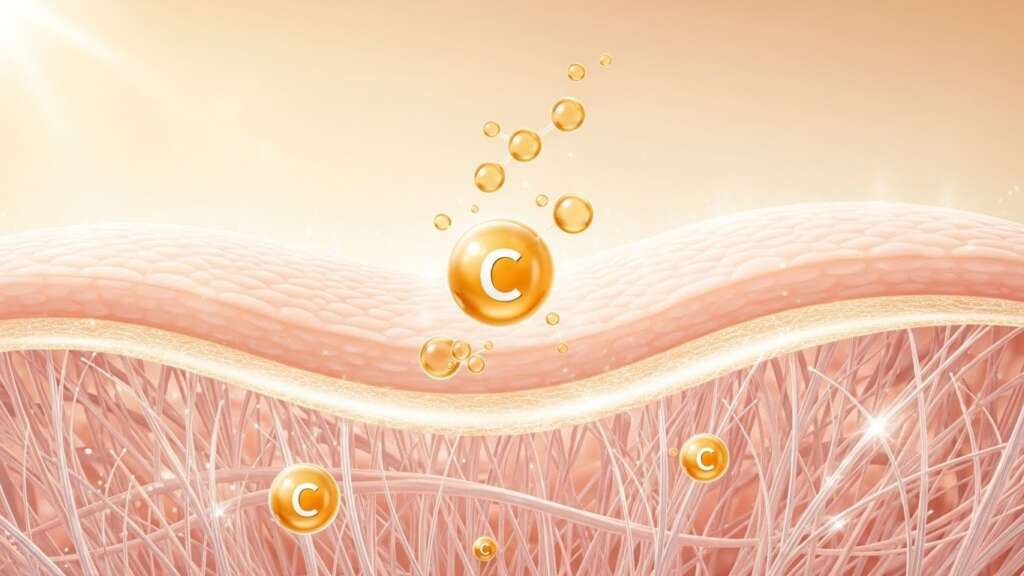
Another significant advantage of liposomal vitamin C is its effect on skin health and collagen synthesis. Collagen is essential for maintaining skin barrier integrity, elasticity, and overall appearance. Vitamin C acts as an enzyme cofactor in collagen production, while the liposomal delivery system ensures efficient transport to the skin tissues.
Benefits for skin include:
- Reducing visible signs of aging through antioxidant protection
- Supporting skin barrier repair from environmental stressors
- Enhancing cellular uptake of vitamin C for improved collagen production
Moreover, liposomal vitamin C helps combat oxidative damage caused by UV exposure and pollution, contributing to a healthier, more resilient complexion. For those seeking anti-aging benefits, liposomal forms of vitamin C offer a significant edge over standard supplements.
3. Brain Health and Cognitive Function
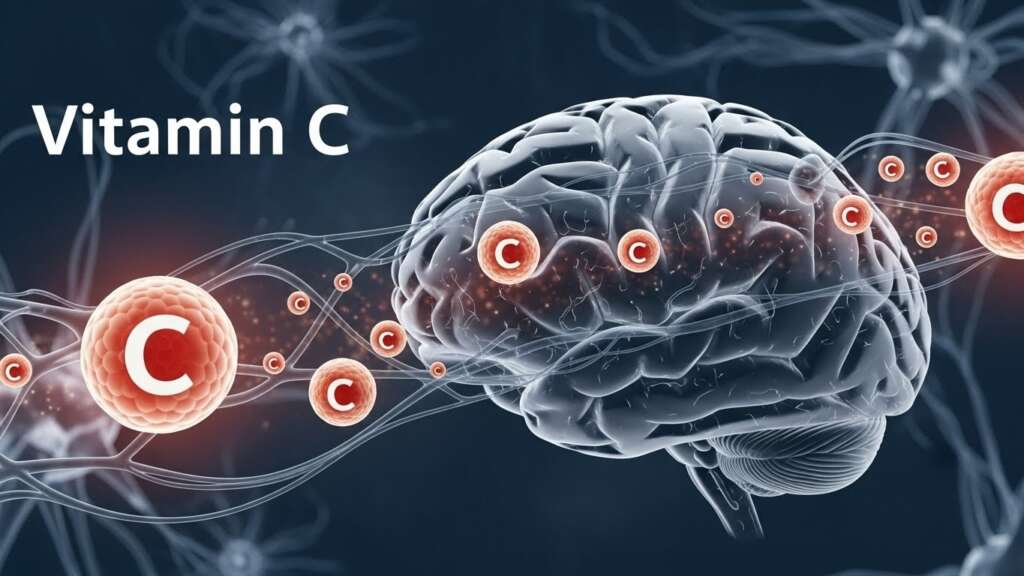
Brain health is another area where liposomal vitamin C provides meaningful benefits. Vitamin C is essential for neurotransmitter production, which influences mood, memory, and overall cognitive function. The liposome-encapsulated vitamin C ensures that this micronutrient crosses the blood-brain barrier more efficiently.
Key neurological advantages include:
- Protecting brain tissue from oxidative stress
- Supporting enzyme cofactors involved in neurotransmitter synthesis
- Maintaining structural integrity of tissues in neural pathways
Regular supplementation with liposomal vitamin C may improve stress response support, enhance mental clarity, and reduce cognitive fatigue. This positions it as a vital nutraceutical for those prioritizing both physical and cognitive well-being.
4. Improved Nutrient Delivery and Absorption
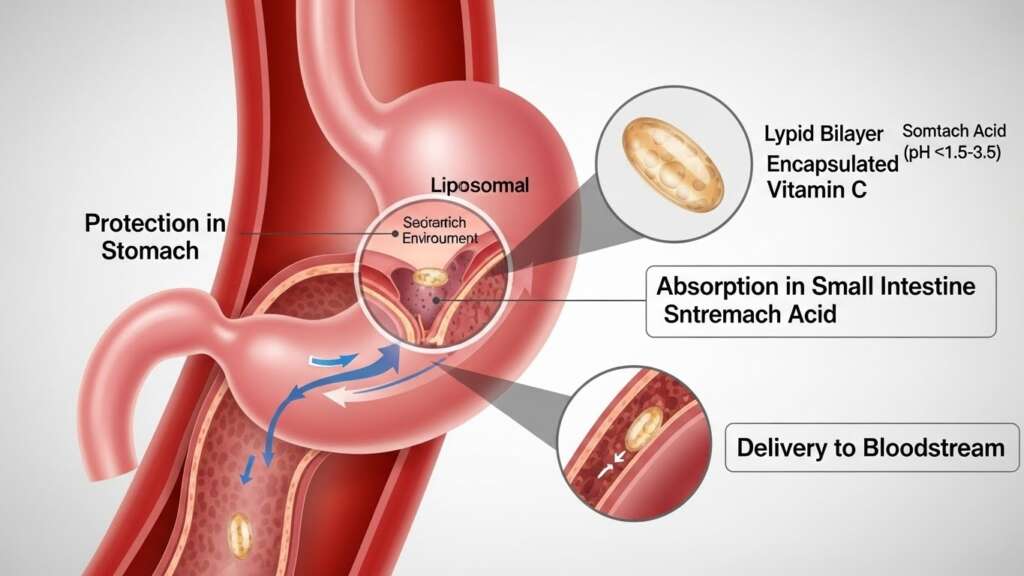
One of the main differentiators of liposomal vitamin C is its enhanced bioavailability compared to traditional vitamin C tablets or powders. Because the vitamin is encapsulated in liposomes, it:
- Avoids degradation by stomach acid
- Reaches target tissues efficiently
- Ensures higher blood levels of vitamin C after each dose
This enhanced nutrient delivery system makes liposomal vitamin C ideal for individuals with nutrient deficiency, digestive challenges, or high physiological demands. The liquid vitamin C form is particularly gentle on the stomach and well-tolerated even in high-dose vitamin C protocols.
5. Therapeutic Applications and Stress Management

Beyond general wellness, liposomal vitamin C is valued for its therapeutic applications. Because it achieves higher cellular uptake, it can help reduce oxidative stress, support bone & joint health, and enhance recovery during illness or physical exertion.
Other applications include:
- Supporting immune boosters during flu season or periods of high stress
- Maintaining circulation and cardiovascular health
- Assisting in stress management by supporting the adrenal glands
While the majority of functional medicine practitioners recommend daily intake for preventive care, liposomal vitamin C also plays a role in targeted therapeutic protocols under professional supervision.
Clinical Insights and Research Highlights

Clinical studies suggest that liposomal vitamin C can reach blood plasma concentrations up to several times higher than conventional vitamin C. These studies highlight:
- Enhanced antioxidant protection
- Faster recovery from oxidative stress-related damage
- Improved collagen production and tissue repair
- Positive effects on brain function and neurotransmitter balance
Additionally, its gentle profile ensures that even high-dose vitamin C administration rarely causes gastrointestinal discomfort, unlike standard oral supplements.
Practical Tips for Maximizing Benefits
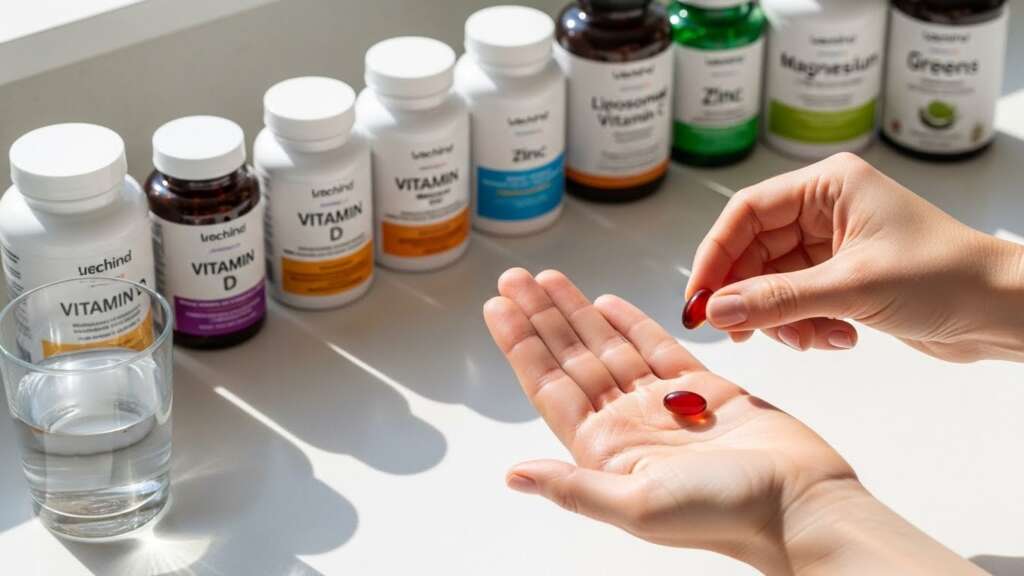
To achieve optimal results from liposomal vitamin C, consider the following:
- Recommended Dosage: Start with the daily recommended FDA Daily Value (DV) and adjust based on health goals.
- Timing: Take on an empty stomach for better absorption, unless otherwise directed by a healthcare provider.
- Consistency: Regular intake ensures sustained immune support, antioxidant protection, and collagen production.
- Supplement Selection: Choose high-quality liposome-encapsulated vitamin C products to ensure purity and potency.
- Complementary Nutrients: Pair with phospholipids, minerals, and other micronutrients to enhance bioactive compound synergy.
Advanced Insights, Safety, and Practical Considerations of Liposomal Vitamin C

While liposomal vitamin C provides impressive immune support, skin health, and brain function, understanding its safety profile, therapeutic limitations, and practical applications ensures optimal use. This section addresses these advanced aspects, covering content gaps left by competitors and adding additional value for readers.
Side Effects and Contraindications
Although liposomal vitamin C is generally well-tolerated, it is essential to be aware of possible side effects:
- Gastrointestinal discomfort: Rare cases of loose stools or mild bloating may occur, particularly with high doses.
- Kidney-related considerations: Individuals with a history of kidney stones should consult a healthcare professional before high-dose supplementation.
- Allergies or sensitivities: Rare, but some may react to components in the liposome-encapsulated vitamin C formulation.
By following recommended dosage guidelines and consulting with a healthcare provider, these risks can be minimized. Proper use ensures therapeutic benefits without compromising safety.
Comparing Liposomal Vitamin C with IV Vitamin C
| Method | Advantages | Considerations |
| Liposomal Vitamin C | High bioavailability, gentle on stomach, convenient for daily use | Slightly slower peak blood levels than IV; may require regular dosing |
| IV Vitamin C | Immediate blood plasma saturation, used in clinical settings | Requires medical supervision, higher cost, less convenient |
For most adults, liposomal vitamin C provides an effective alternative to IV therapy for daily wellness and targeted therapeutic applications without invasive procedures.
Optimal Dosing Protocols
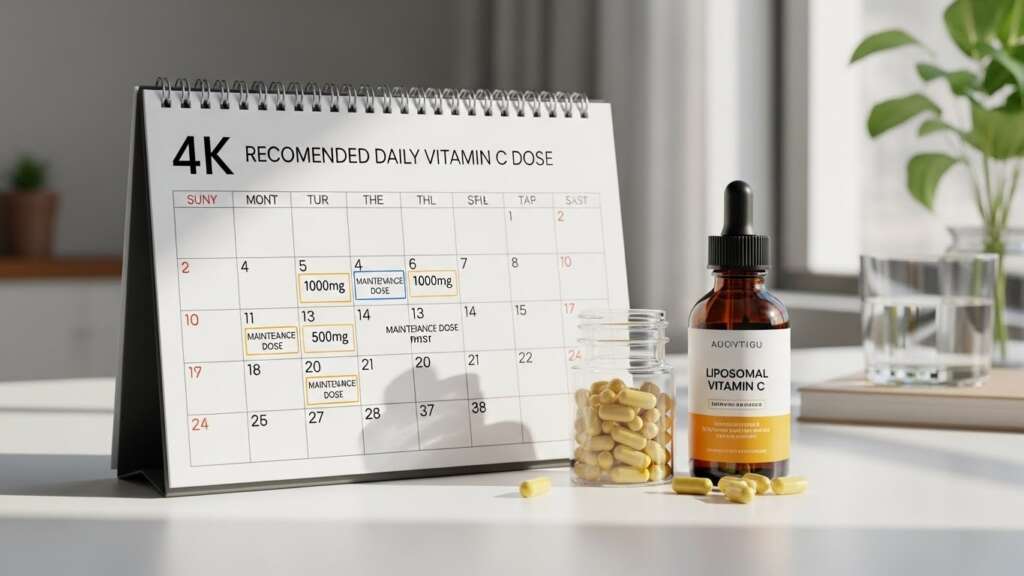
To maximize absorption and health benefits, consider these practical guidelines:
- General wellness: 500–1,000 mg per day of liposomal vitamin C is typically sufficient.
- High-stress periods or therapeutic use: 1,000–2,000 mg per day under medical supervision.
- Timing: Taking on an empty stomach improves cellular uptake.
It is important to note that dosage should be individualized based on factors such as age, health status, and nutrient deficiencies. Regular intake helps maintain blood levels of vitamin C, ensuring sustained immune system support, antioxidant protection, and collagen synthesis.
Special Populations: Pregnancy, Pediatrics, and Elderly

While research is limited, preliminary evidence suggests that liposomal vitamin C can benefit:
- Pregnancy: Supports collagen production, immune function, and oxidative stress reduction. Dosage must be monitored by healthcare providers.
- Children: Lower doses can help maintain nutrient delivery without causing gastrointestinal issues.
- Elderly: Improves antioxidant defenses and supports bone & joint health, particularly in those with nutrient deficiency.
These considerations address content gaps left by most competitor articles. Highlighting age-specific recommendations adds unique value and positions this article as a comprehensive resource.
Interactions with Other Supplements and Medications
Liposomal vitamin C generally has minimal interactions, but some precautions include:
- Iron supplements: May enhance absorption of non-heme iron; beneficial in deficiency but monitor levels to avoid excess.
- Blood thinners or chemotherapy: Consult a healthcare provider before combining supplements, as high-dose vitamin C may interfere with certain medications.
- Other antioxidants: Combining with vitamins E or selenium may enhance antioxidant protection synergistically.
By addressing these points, readers gain a clear understanding of how to integrate liposomal vitamin C safely into their daily regimen.
DIY Preparation and Sustainability Considerations

While commercially available liposomal vitamin C is preferred for consistency and potency, some individuals explore DIY preparation at home. Key factors:
- Phospholipid sourcing: Use high-quality, food-grade phospholipids to ensure liposome integrity.
- Stability: Homemade liposomes may degrade quickly; refrigeration is critical.
- Dosage control: Professional formulations guarantee consistent bioavailability and therapeutic benefits.
Sustainable sourcing of phospholipids and transparent manufacturing practices are increasingly important for consumers seeking environmentally responsible nutraceuticals.
Sustainability and Quality Assurance

High-quality liposomal vitamin C products prioritize:
- Traceable ingredients from reliable sources, including citrus fruits for vitamin C and plant-derived phospholipids
- Testing for purity and potency, ensuring each dose delivers maximum bioactive compounds
- Shelf-life stability, preserving antioxidant protection, and nutrient delivery system integrity
These considerations enhance consumer confidence and support the EEAT principles required for credible health content.
Final Thoughts:
There is more to liposomal vitamin C than merely a supplement. Its high bioavailability, enhanced absorption, and targeted therapeutic benefits make it a cornerstone for holistic wellness. To maximize its effects, it is important to choose high-quality, liposome-encapsulated vitamin C products and follow the recommended dosage according to your health goals.
Incorporating it into daily routines ensures sustained immune support and antioxidant protection. Special populations should consider their unique needs and consult a healthcare provider when necessary. Additionally, being aware of potential interactions and combining liposomal vitamin C with complementary nutrients can further enhance its effectiveness.
By supporting skin health, collagen production, brain function, and oxidative stress management, liposomal vitamin C provides comprehensive benefits that extend far beyond traditional supplementation.
FAQS Frequently Asked Questions:
Q1: What does liposomal vitamin C do?
It improves vitamin C absorption, supports immune system function, and delivers antioxidant protection throughout the body.
Q2: Is liposomal vitamin C better than vitamin C?
Yes. The liposome delivery system ensures superior bioavailability, more consistent dosage absorption, and broader therapeutic benefits.
Q3: What are the disadvantages of liposomal vitamin C?
Side effects are uncommon but can include mild digestive discomfort with very high doses. Always follow dosage guidelines.
Q4: Is it good to take liposomal vitamin C every day?
Daily intake supports long-term immune support, collagen synthesis, and antioxidant protection, making it suitable for most adults.