Introduction
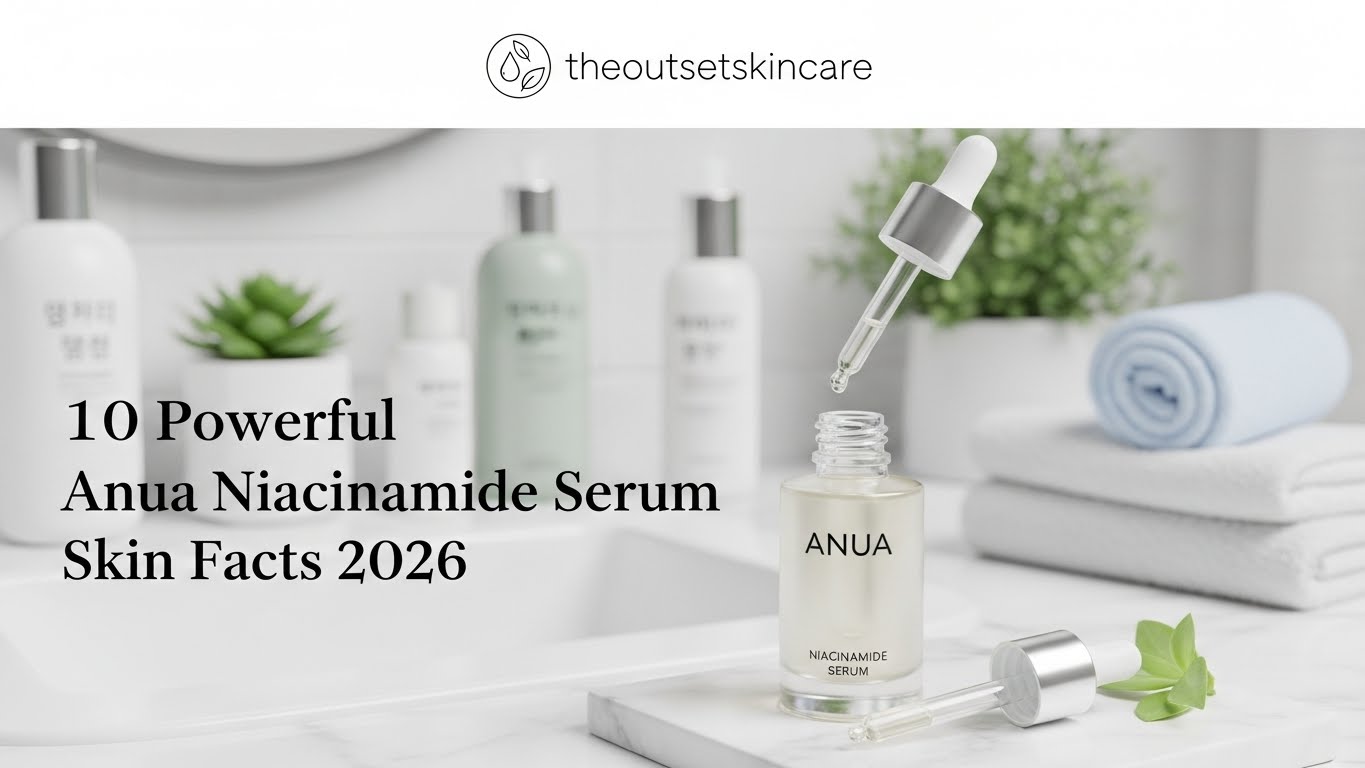
The Anua niacinamide serum is widely discussed in US skin care circles as a dark spot and tone-balancing product. Still, its popularity often raises practical questions about how it actually fits into a modern routine. At its core, this serum combines a high-strength niacinamide formula with tranexamic acid, ingredients commonly studied for their role in improving uneven skin tone and post-acne marks through cosmetic skin care use.
This topic matters because niacinamide serums are frequently misunderstood. Many consumers assume all formulas work the same way, regardless of concentration, skin type, or routine placement. In reality, outcomes vary based on formulation design, ingredient balance, and individual skin factors.
In this guide, you will learn what the Anua niacinamide serum is designed to do, which skin concerns it is commonly used for, how it compares to similar niacinamide-based products, and what factors influence visible results. This information is presented for educational purposes only and does not replace professional medical advice.
Uneven Skin Tone and Dark Spots Explained

Uneven skin tone and dark spots are among the most common cosmetic skin concerns reported by US-based skin care consumers. These concerns typically appear as areas of discoloration, lingering post-acne marks, or patches of uneven pigmentation that do not fade evenly over time. While often grouped, dark spots and uneven tone can develop for different reasons and may respond differently to topical skin care ingredients.
One primary cause is excess melanin production. Melanin is the pigment responsible for skin color, and when its production becomes uneven due to inflammation, sun exposure, or previous blemishes, discoloration can occur. This process is commonly referred to as post-inflammatory hyperpigmentation, especially following acne or irritation.
Environmental factors also play a role. Regular sun exposure without adequate protection can deepen existing pigmentation and slow the natural skin renewal cycle. Hormonal changes, age-related shifts in skin turnover, and repeated barrier disruption from over-exfoliation may further contribute to visible tone irregularities.
Individuals with acne-prone, combination, or oily skin often notice these concerns more prominently, as blemishes may leave marks that persist long after breakouts resolve. While cosmetic products such as niacinamide serums are widely used to support a more even appearance, results vary depending on formulation, routine consistency, and individual skin behavior.
How Anua Niacinamide Serum Works

When it comes to improving uneven skin tone and reducing dark spots, the Anua Niacinamide Serum relies on a combination of targeted active ingredients and a skin-compatible formulation. Understanding each component and how to integrate it into your routine is essential for achieving predictable results.
Key Ingredients and Their Functions
| Ingredient | Concentration | Primary Function | Notes |
| Niacinamide (10%) | High-strength | Reduces hyperpigmentation, supports barrier repair, improves skin texture | Suitable for most skin types; avoid combining with strong acids immediately |
| Tranexamic Acid (4%) | Moderate | Helps fade stubborn dark spots and melasma | Works synergistically with niacinamide for brightening |
| Hyaluronic Acid | N/A | Hydration and plumping | Enhances absorption of active ingredients |
| Panthenol | N/A | Soothing, anti-inflammatory | Reduces irritation, supports sensitive skin |
| Centella Asiatica Extract | N/A | Barrier repair and calming | Optional, often included in Korean formulations for redness-prone skin |
Recommended Routine Placement
Morning (AM):
- Cleanse with a gentle, non-stripping cleanser.
- Apply toner or a lightweight hydration layer.
- Apply Anua Niacinamide Serum evenly to face and neck.
- Follow with moisturizer.
- Finish with broad-spectrum SPF 30+.
Evening (PM):
- Double cleanse if wearing makeup or sunscreen.
- Apply serum after toner.
- Follow with moisturizer and targeted treatments (retinol or chemical exfoliants, if compatible).
Notes on Usage:
- Niacinamide is generally well-tolerated, but start with 2–3 times per week if your skin is sensitive.
- Consistent usage may yield noticeable benefits in two to four weeks.
- Combining with other brightening ingredients (like vitamin C) can enhance efficacy, but layering order is important to prevent irritation.
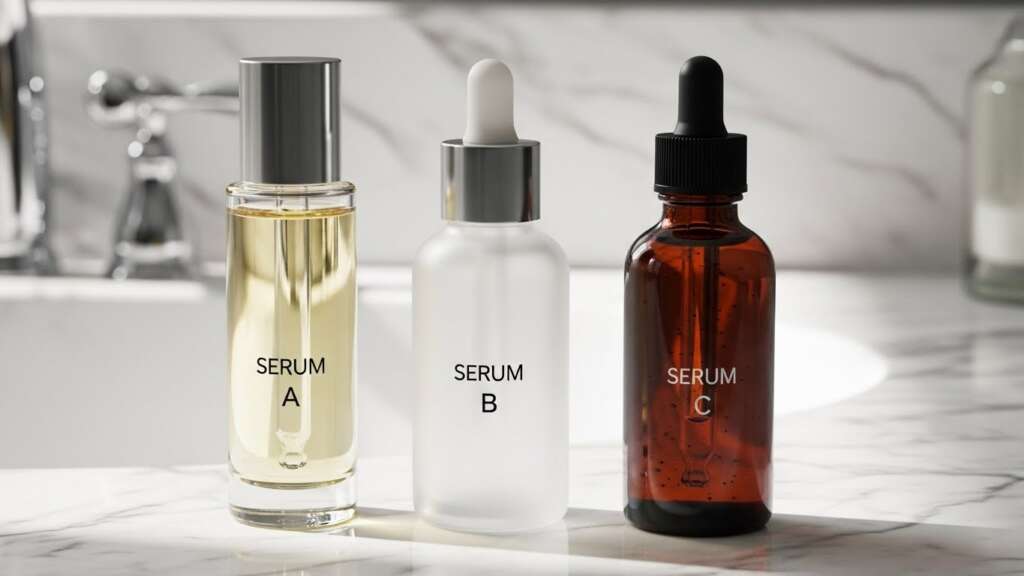
Anua Niacinamide vs Other Niacinamide Serums
| Feature | Anua Niacinamide 10% + TXA 4% | Ordinary Niacinamide 10% | Other Korean Serums |
| Niacinamide % | 10% | 10% | 5–10% |
| Tranexamic Acid | 4% | None | 2–5% |
| Hydration Boost | High (HA + Panthenol) | Moderate (HA only) | Varies |
| Texture | Lightweight, non-sticky | Lightweight, slightly tacky | Gel or serum |
| Suitable for Sensitive Skin | Yes, generally | Yes | Some formulations |
| Price Range | Mid-range | Budget | Mid to high |
The niacinamide strengthens the skin barrier and reduces post-inflammatory pigmentation, while tranexamic acid specifically targets stubborn dark spots. Supporting ingredients like hyaluronic acid and panthenol ensure hydration and reduce potential irritation.
Why Results Differ Among Users
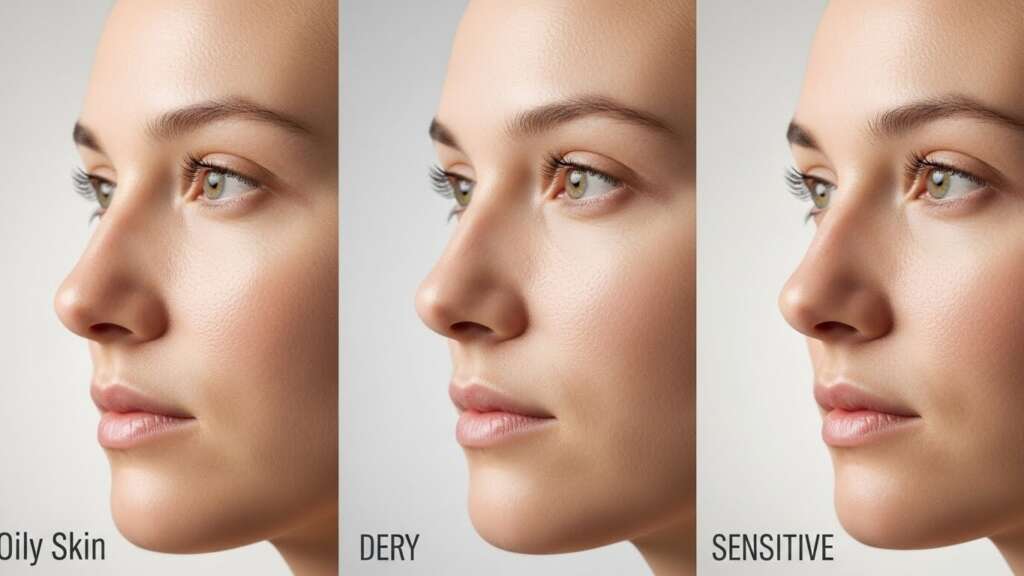
Even when using the same Anua Niacinamide Serum, outcomes can vary significantly due to a combination of skin, lifestyle, and environmental factors. Understanding these variations helps set realistic expectations and informs proper routine adjustments.
1. Skin Type Differences
- Oily/Combination Skin: May notice faster absorption and less residue; prone to post-acne hyperpigmentation, so visible brightening can appear more pronounced.
- Dry Skin: Hydration support is crucial; results may take longer if moisture barrier is compromised. Pairing with richer moisturizers improves efficacy.
- Sensitive Skin: May require gradual introduction (2–3 times/week) to minimize irritation. Patch testing is recommended.
2. Age and Skin Turnover
- Younger skin (20s–30s) generally regenerates faster, allowing pigment correction to occur sooner.
- Mature skin (40s+) may experience slower results due to reduced cell turnover; consistent routine and supportive ingredients (like hyaluronic acid) are essential.
3. Environmental Impact
- Sun Exposure: UV light can counteract brightening effects. Daily SPF is mandatory for optimal results.
- Climate: Dry or harsh climates may affect absorption and barrier repair, potentially slowing improvement.
- Pollution & Lifestyle: Smoking, diet, and stress can exacerbate uneven tone or inflammation.
4. Routine Consistency
- Daily application (morning and evening) is ideal.
- Skipping days or layering incompatible actives (strong acids, retinol without spacing) may reduce efficacy.
- Combining with complementary ingredients like vitamin C or gentle exfoliants can accelerate visible changes, but timing and order matter.
5. Formulation Sensitivity
- Even small differences in concentration or additional soothing agents (panthenol, Centella Asiatica) can influence results.
- Korean skincare serums, including Anua, are often formulated to balance high-potency actives with hydration and calming components to reduce irritation.
Key Takeaway: Visible improvement from Anua Niacinamide Serum typically ranges from 2–8 weeks, depending on individual factors. Adjusting routine for your skin type, environment, and other active ingredients is essential to achieve optimal results.
Types of Niacinamide Products and How to Compare Safely
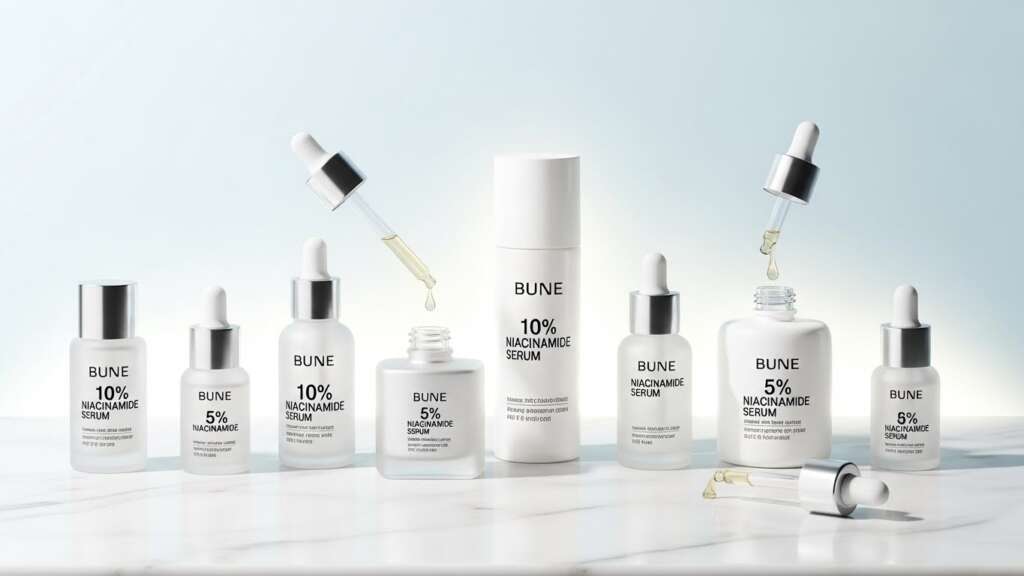
While the focus remains educational, understanding the variety of niacinamide serums and their differences can help readers make informed choices without promoting direct purchases.
1. Types of Niacinamide Serums
| Product Type | Key Features | Suitable For |
| High-strength Niacinamide + TXA (e.g., Anua 10% + 4%) | Targets dark spots, brightens skin, improves texture | Hyperpigmentation, uneven tone, post-acne marks |
| Niacinamide + Hydrating Ingredients | Includes hyaluronic acid, glycerin, panthenol | Dry or sensitive skin, barrier repair support |
| Niacinamide + Antioxidants (Vitamin C, E) | Boosts brightening and environmental protection | Dull or aging-prone skin |
| Budget Niacinamide Serums (5–10%) | Lower concentration, simple formula | Beginners, mild pigmentation, or sensitive skin |
| Korean Multi-Active Serums | Combines niacinamide with botanical extracts | Soothing, brightening, lightweight daily use |
2. Neutral Comparison Tips
- Concentration Matters: Higher percentages (like 10%) are more potent but may require gradual introduction.
- Supporting Ingredients: Look for serums with humectants (hyaluronic acid), soothing agents (panthenol, Centella), and barrier support.
- Texture & Absorption: Lightweight, fast-absorbing formulas suit oily skin; slightly richer textures help dry skin.
- Price vs Value: Evaluate performance relative to formulation rather than brand alone. Many mid-range Korean serums offer potent ingredients at a reasonable cost.
- Compatibility: Check if the serum can layer safely with other actives (retinol, AHAs/BHAs, vitamin C). Spacing routines reduces irritation.
3. Serum Comparison Overview
For informational publishers, you can present product comparisons without direct selling:
- Use tables comparing ingredient concentrations, skin type suitability, and texture.
- Include notes on how users might integrate these serums into their routine.
- Highlight evidence-based benefits (e.g., niacinamide for barrier repair, tranexamic acid for dark spots).
- Avoid language like “buy now” or “best deal”; keep tone neutral and educational.
Recommended Skincare Guides
Creating a network of related content strengthens topical authority and improves user engagement. Internal linking also signals relevance to search engines, helping your Anua Niacinamide Serum guide rank better in informational searches.
| Topic | Anchor Text Example | Purpose |
| General Niacinamide Benefits | “Benefits of niacinamide for skin” | Educates readers on why niacinamide is effective beyond a single product |
| Dark Spot Correction | “How to fade dark spots safely.” | Complements the serum guide by covering broader strategies |
| Korean Skincare Routines | “Step-by-step Korean skincare for brightening” | Shows context for integrating the serum into a complete routine |
| Sensitive Skin Care | “Top tips for sensitive skin products” | Highlights safe usage, reducing potential irritation concerns |
| Serum Layering Guide | “How to layer active serums correctly.” | Informs readers about combining niacinamide with retinol, AHAs, or vitamin C |
- Use Natural Anchor Text: Avoid keyword stuffing; make it informative and reader-friendly.
- Contextual Placement: Link from sentences explaining related concepts (e.g., barrier repair, hyperpigmentation).
- Topical Clustering: Group multiple guides around brightening, hyperpigmentation, and Korean skincare routines to form a hub page.
- Update Regularly: As new guides are published, integrate them into this network to maintain topical authority.
Final Thoughts:
The Anua Niacinamide 10% + TXA 4% Serum offers a well-formulated option for those seeking to address uneven skin tone, dark spots, and post-acne marks. Its combination of niacinamide and tranexamic acid provides a scientifically-backed approach to brightening and barrier support, while additional hydrating and soothing ingredients ensure compatibility with a wide range of skin types.
Key takeaways for readers:
- Consistency Matters: Visible improvements typically appear in 2–8 weeks depending on individual factors.
- Routine Integration: Proper layering with moisturizers, sunscreen, and other actives maximizes results.
- Skin Type Awareness: Adjust application frequency based on sensitivity, dryness, or oiliness.
- Education Over Promotion: Understanding ingredient function and product compatibility helps make informed decisions rather than relying on marketing claims.
- Supplemental Knowledge: Complementary guides on niacinamide, dark spot correction, and Korean skincare routines can enhance results and routine effectiveness.
By following these educational insights, readers can confidently evaluate whether the Anua Niacinamide Serum fits their skin care goals, while remaining aware of safe and effective usage practices.
FAQS: Frequently Asked Questions
Q1: What is Anua Niacinamide Serum used for?
The Anua Niacinamide 10% + TXA 4% Serum is designed to help improve uneven skin tone, fade post-acne marks, and support overall skin barrier health. Its main ingredients, niacinamide and tranexamic acid, work together to target hyperpigmentation and promote a brighter, more even complexion.
Q2: How long does it take to see results?
Most users notice a gradual improvement in 2–4 weeks with consistent morning and evening use. Full results for stubborn dark spots may take 6–8 weeks, depending on skin type, age, and routine consistency.
Q3: Can sensitive skin use Anua Niacinamide Serum?
Yes, the serum is generally well-tolerated by sensitive skin, but it’s recommended to start with 2–3 applications per week and gradually increase frequency. To reduce irritation, new products should always be patch tested.
Q4: How should I combine Anua Niacinamide Serum with other skincare actives?
For retinol, apply niacinamide in the morning and retinol at night, or leave at least 20–30 minutes between actives if layering. For vitamin C, some formulations allow morning layering, but it’s safest to alternate to prevent potential irritation. Following proper layering ensures optimal results without compromising skin barrier integrity.
Q5: What are the main ingredients and benefits?
Niacinamide (10%) reduces hyperpigmentation, improves barrier function, and smooths skin texture. Tranexamic Acid (4%) brightens dark spots and reduces melasma appearance. Hyaluronic Acid hydrates and plumps the skin, while Panthenol and Centella Asiatica soothe and support sensitive or irritated skin.
Q6: Is Anua Niacinamide Serum worth it?
Effectiveness depends on your skin type and goals. It is particularly suitable for those dealing with uneven skin tone, mild-to-moderate post-acne marks, or looking for a lightweight, hydration-supporting serum. Consistency and complementary routine steps are key for visible improvements.
Q7: Can it be used daily?
Yes, for most skin types, daily AM and PM use is safe. Sensitive users may start with fewer applications and gradually increase. Always pair with sunscreen during the day to protect newly brightened areas.