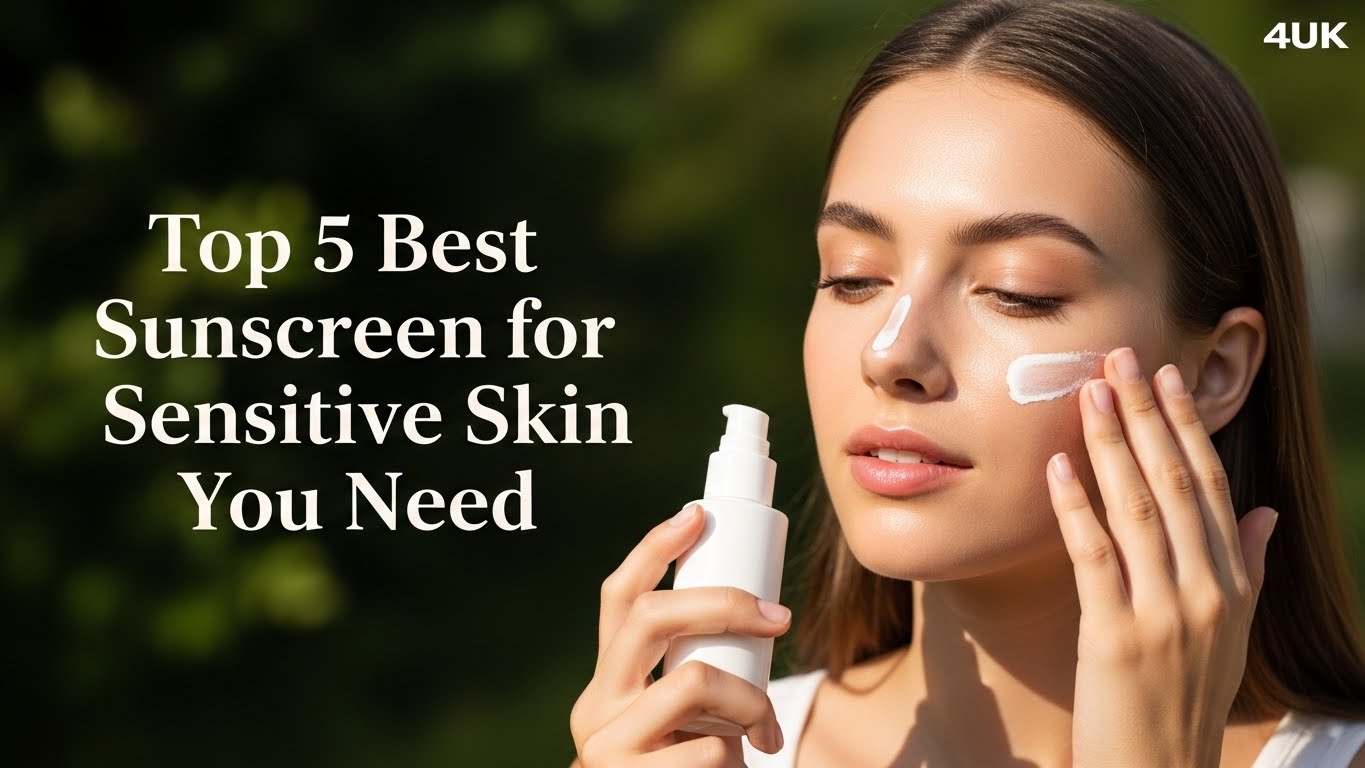
Sensitive skin requires extra care, and selecting the right sunscreen for sensitive skin is essential not just for daily protection but also for maintaining overall skin health. Many sunscreens on the market are formulated for general use, which can lead to redness, irritation, or breakouts if applied to sensitive or reactive skin. Choosing the best product involves understanding the difference between mineral and chemical sunscreens, recognizing skin-specific concerns, and knowing how to apply SPF effectively.
This comprehensive guide will help you navigate the key factors in selecting sunscreen for sensitive skin, ensuring that you receive broad-spectrum SPF protection without compromising comfort or skin integrity.
Key Considerations When Choosing Sunscreen for Sensitive Skin
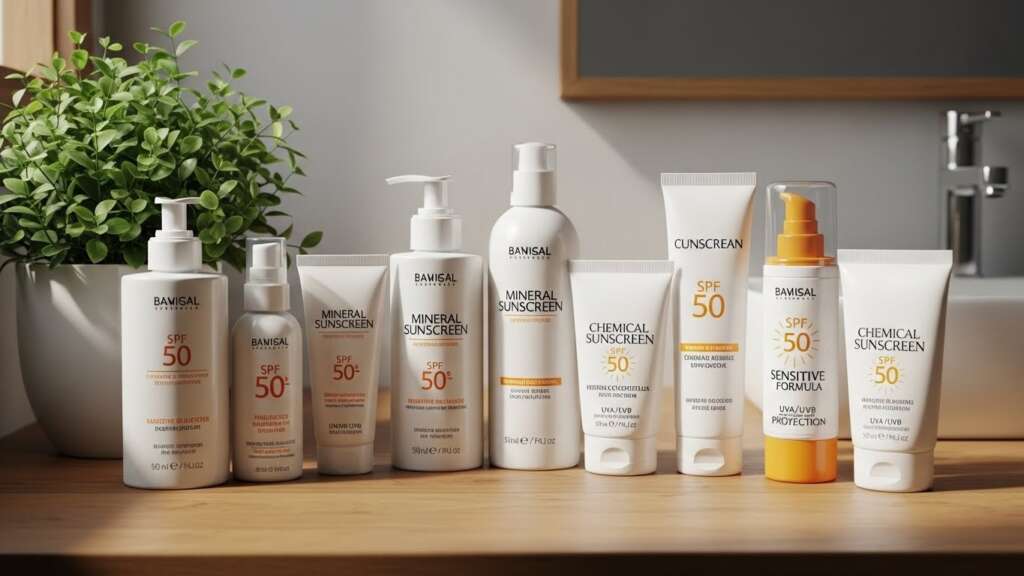
Selecting the best sunscreen is not only about the SPF number. it’s about the overall formula, texture, and compatibility with your skin type. Here’s a detailed overview to help you make informed choices:
| Key Considerations | Why It Matters | Recommended Options |
| Wide-Spectrum SPF | prevents photoaging, hyperpigmentation, and skin damage by shielding the skin from UVA and UVB radiation. | SPF 50+ and SPF 30 |
| Mineral vs Chemical Sunscreen | Determines risk of irritation or allergic reactions | Zinc oxide, titanium dioxide vs chemical filters |
| Hypoallergenic & Fragrance-Free | Minimizes the chance of redness, rashes, or irritation | Dermatologist‑recommended brands |
| Texture & Finish | Ensures comfort during daily wear and under makeup | Lightweight, non-greasy, smooth finish |
| Water-Resistance | Essential for outdoor activities, sports, and humid climates | Sweat-resistant, water-resistant formulas |
Using this framework allows you to prioritize sensitive skin SPF protection, addressing your unique skin concerns while maximizing sun protection.
Why Sensitive Skin Needs Special Sunscreen

Sensitive skin SPF protection is more than just a precaution it is a critical step to prevent long-term skin damage. Even moderate sun exposure can trigger photoaging, hyperpigmentation, and persistent redness. In severe cases, it may contribute to skin cancer.
Individuals with conditions such as rosacea, eczema, or acne-prone sensitive skin are particularly vulnerable. Using a sunscreen that irritates can worsen these conditions, causing discomfort and long-term skin sensitivity.
Key Factors to Consider for Optimal Protection
- SPF Level:
SPF 30 is adequate for everyday indoor or brief outdoor exposure. For the best broad-spectrum UVA and UVB protection while spending a lot of time outside or in tropical regions, SPF 50 or 50+ is recommended. - Ingredients:
Sensitive skin reacts poorly to certain chemicals and fragrances. Avoid ingredients like oxybenzone, avobenzone, and alcohol-based additives. Instead, choose fragrance-free, hypoallergenic, and paraben-free formulas to reduce the risk of irritation. - Texture:
Comfort is critical for daily use. Lightweight, hydrating sunscreen options absorb easily without leaving a greasy finish. For those who wear makeup, formulas that layer well under cosmetic products are ideal. - Reapplication:
Proper use ensures consistent protection. Apply sunscreen 15–20 minutes before sun exposure and reapply every 2 hours or after swimming, sweating, or towel drying. Regular application reduces the risk of photoaging and sunburn, particularly for sensitive skin prone to irritation.
Mineral vs Chemical Sunscreen: Which is Safer for Sensitive Skin?
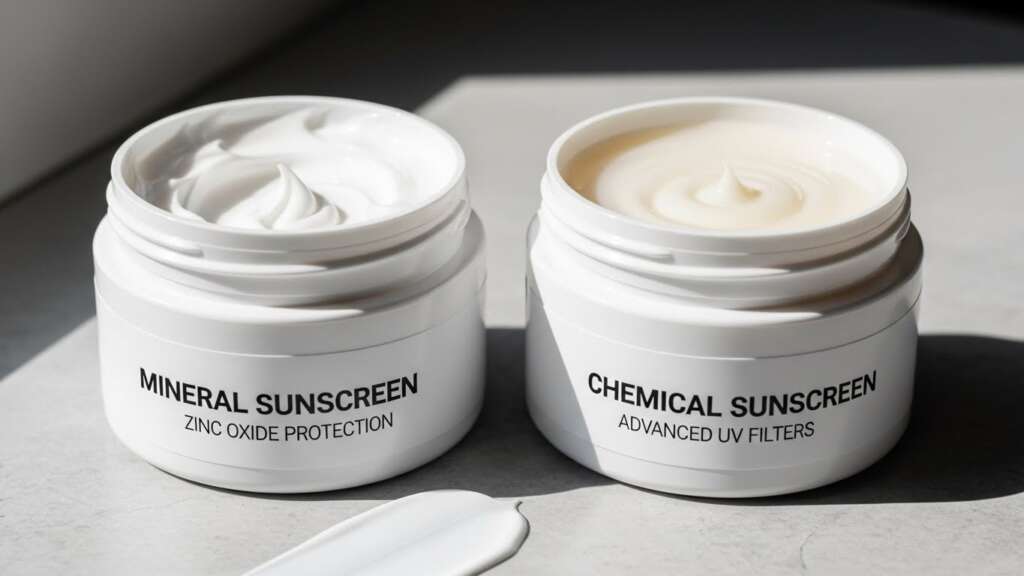
A crucial distinction in sunscreen selection is whether it is mineral (physical) or chemical. Both types offer protection, but they differ in mechanism, ingredients, and compatibility with sensitive skin.
| Feature | Mineral Sunscreen | Chemical Sunscreen |
| Active Ingredients | Zinc oxide, titanium dioxide | Avobenzone, octinoxate, oxybenzone |
| Protection Mechanism | Forms a physical barrier reflecting UV rays | Absorbs UV rays to prevent skin damage |
| Skin Tolerance | Gentle, hypoallergenic, safe for sensitive skin | May cause irritation, stinging, or allergic reactions |
| Finish | Slightly matte, no white cast if non-nano | Often lightweight and invisible, may sting sensitive skin |
| Recommended For | Sensitive, reactive, or acne-prone skin | Normal or non-sensitive skin |
Mineral sunscreen is preferred for individuals with reactive or allergy-prone skin because it sits on the skin’s surface, reflecting UV rays rather than penetrating the skin. This reduces the likelihood of redness, irritation, and breakouts. Additionally, many mineral formulas are reef-safe, non-comedogenic, and water-resistant, making them suitable for outdoor activities and sports.
Chemical sunscreen, while lightweight and often cosmetically elegant, can sometimes trigger reactions in sensitive skin, especially if it contains fragrances or chemical filters like oxybenzone. For those with normal skin, chemical sunscreens remain an option, but testing on a small area is recommended for sensitive or reactive skin types.
Benefits of Using Sunscreen for Sensitive Skin Daily

Daily sunscreen use is essential, even indoors, because UVA rays penetrate windows and contribute to skin aging and pigmentation. Sensitive skin benefits from regular application due to several reasons:
- Prevention of photoaging: Reduces fine lines, wrinkles, and sunspots.
- Hyperpigmentation control: Protects areas prone to discoloration.
- Reduces irritation: Protects rosacea or eczema-prone skin from UV-triggered flare-ups.
- Long-term skin health: Minimizes cumulative sun damage over time.
How to Maximize Sunscreen Effectiveness
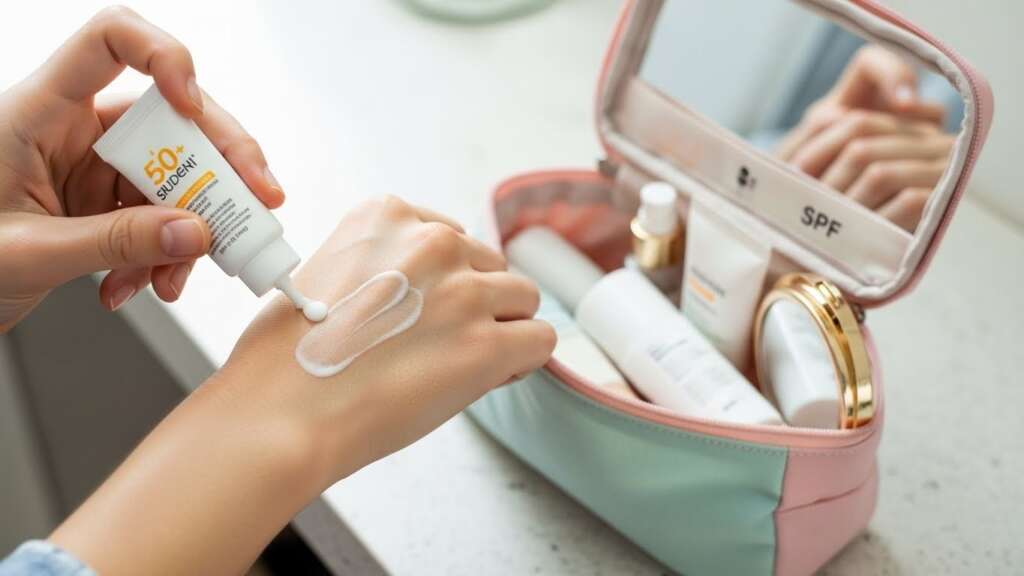
- Apply generously: Complete UVA and UVB protection is ensured by a thick coating.
- Timing matters: Apply 15–20 minutes before sun exposure for chemical and mineral sunscreens.
- Reapply often: Every 2 hours, or more frequently if swimming, sweating, or wiping skin.
- Pair with protective clothing: Use hats, sunglasses, and UPF clothing for extra protection.
- Layering: For dry sensitive skin, combine with a hydrating sunscreen serum. For makeup wearers, choose lightweight, non-greasy formulas compatible with foundation or powder.
Choosing the Right SPF for Your Skin Type
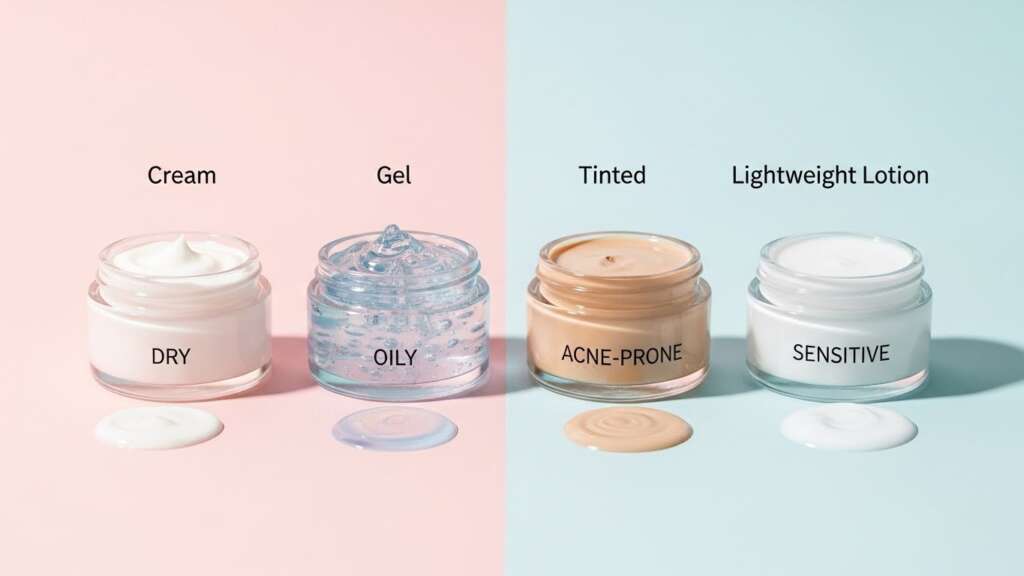
Sensitive skin comes in various forms, including dry, oily, combination, acne-prone, or reactive. Understanding your skin type helps in selecting the correct SPF:
- Dry sensitive skin: Opt for hydrating mineral sunscreen with ceramides or hyaluronic acid.
- Oily sensitive skin: Choose lightweight, matte-finish, non-comedogenic formulas to prevent clogged pores.
- Acne-prone sensitive skin: Use zinc oxide-based sunscreen for calming benefits and oil-free formulas.
- Reactive or redness-prone skin: Fragrance-free, hypoallergenic mineral sunscreens minimize irritation.
1. EltaMD UV Physical Broad-Spectrum SPF 41
Why it’s recommended:
- Contains zinc oxide and titanium dioxide, offering effective physical sunscreen protection for sensitive skin.
- Fragrance-free, hypoallergenic, and non-comedogenic, minimizing risk of irritation or breakouts.
- offers dependable UVA and UVB protection with a broad-spectrum SPF of 41.
- Lightweight, non-greasy formula suitable for daily use and under makeup.
Key Benefits:
- Protects against photoaging, hyperpigmentation, and sun-induced irritation.
- Ideal for rosacea, eczema, or reactive skin.
- Water-resistant, making it suitable for outdoor activities.
- No white cast, safe for all skin tones.
Usage Tip:
Reapply every two hours after applying 15 to 20 minutes prior to sun exposure. Apply a moisturizing sunscreen serum on dry, sensitive skin to improve comfort.
2. La Roche-Posay Anthelios Mineral SPF 50
Why it’s recommended:
- contains non-nano zinc oxide, which offers the advantages of a mild mineral sunscreen.
- Fragrance-free, non-comedogenic, and dermatologist-approved, perfect for reactive skin.
- High SPF 50 offers long-lasting protection during outdoor activities.
Key Benefits:
- Broad-spectrum UVA & UVB protection, reducing risk of sunburn and photoaging.
- Lightweight formula suitable for daily SPF use under makeup.
- Water-resistant, effective in humid climates.
- Includes niacinamide to calm redness and hyaluronic acid for hydration.
Best For:
Sensitive, redness-prone, or acne-prone sensitive skin.
3. SPF 50 Neutrogena Sheer Zinc Face Mineral Sunscreen
Why it’s recommended:
- Zinc oxide-based mineral sunscreen, forming a protective physical barrier on the skin.
- Hypoallergenic, fragrance-free, and safe for acne-prone sensitive skin.
- Broad-spectrum SPF 50 that works well against UVA and UVB radiation.
Key Benefits:
- Non-comedogenic, preventing clogged pores.
- Lightweight and non-greasy, suitable for daily wear.
- Water-resistant, ideal for swimming or outdoor sports.
- Can be used as a tinted sunscreen for sensitive skin without leaving a white cast.
Best For:
Sensitive skin that is oily, acne-prone, or reactive.
4. CeraVe Hydrating Mineral Sunscreen SPF 30
Why it’s recommended:
- Combines titanium dioxide and zinc oxide for gentle, broad-spectrum physical sun protection.
- Enriched with ceramides and hyaluronic acid to repair and hydrate sensitive skin.
- Provides SPF 30, suitable for daily use indoors and outdoors.
Key Benefits:
- Protects sensitive skin from UV damage, redness, and irritation.
- Non-greasy and lightweight, absorbs quickly without a white cast.
- Can be used under makeup or with a moisturizer for extra hydration.
- Non-comedogenic, safe for acne-prone sensitive skin.
Ideal For:
Dry, reactive, or eczema-prone sensitive skin.
5. Blue Lizard Australian Sunscreen Sensitive SPF 50+
Why it’s recommended:
- Mineral-based formula with zinc oxide and titanium dioxide for safe sun protection.
- Dermatologist-recommended for sensitive and reactive skin types.
- High SPF 50+, ideal for prolonged outdoor exposure.
Key Benefits:
- Water-resistant, suitable for swimming and sports.
- Fragrance-free and hypoallergenic, minimizing irritation risk.
- Helps prevent sunburn, photoaging, and pigmentation issues.
- Provides broad-spectrum protection suitable for all skin tones.
Usage Tips:
- Apply liberally 15–20 minutes before sun exposure.
- Reapply right away after swimming or perspiring, or every two hours.
Comparison Table: Top 5 Sunscreens for Sensitive Skin
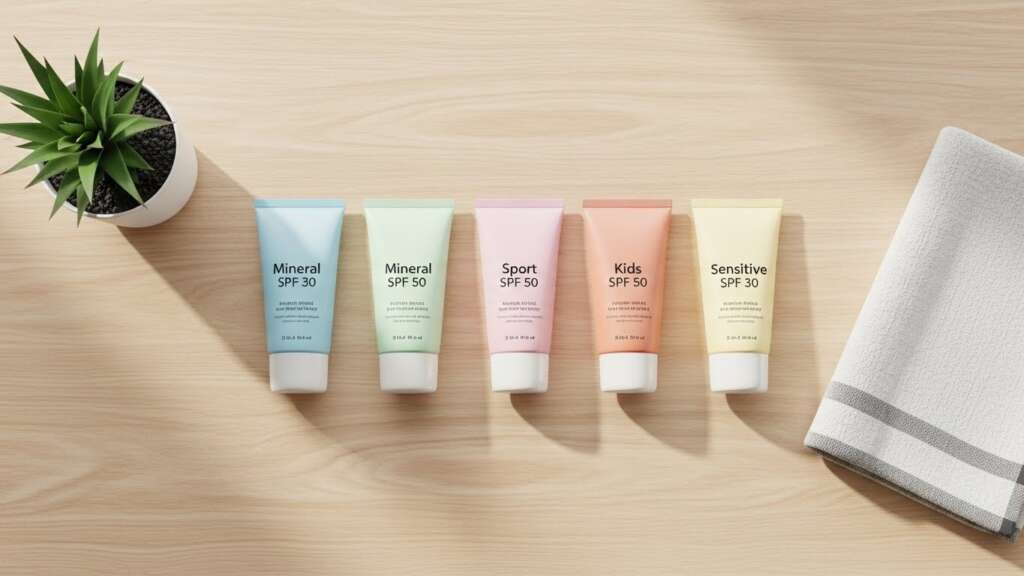
| Brand | SPF | Type | Key Benefits | Suitable For |
| EltaMD UV Physical | 41 | Mineral | Lightweight, non-greasy, broad-spectrum | Sensitive, reactive skin |
| La Roche-Posay Anthelios | 50 | Mineral | Non-comedogenic, water-resistant, dermatologist-approved | Sensitive, redness-prone skin |
| Neutrogena Sheer Zinc | 50 | Mineral | Acne-friendly, tinted option, water-resistant | Acne-prone, oily sensitive skin |
| CeraVe Hydrating Mineral | 30 | Mineral | Hydrating, barrier-repairing, lightweight | Dry, eczema-prone skin |
| Blue Lizard Australian | 50+ | Mineral | Fragrance-free, broad-spectrum, high protection | Outdoor, reactive skin |
How to Choose the Correct Sunscreen for Your Skin Type
Select a moisturizing mineral sunscreen containing ceramides or hyaluronic acid if you have dry, sensitive skin.
- Oily sensitive skin: Opt for lightweight, matte-finish, non-comedogenic formulas.
- Acne-prone sensitive skin: Zinc oxide-based formulas prevent irritation and breakouts.
- Redness-prone or reactive skin: Use only hypoallergenic, fragrance-free mineral sunscreens.
How to Pick the Best Sunscreen for Skin That Is Sensitive
Selecting the best sunscreen for sensitive skin involves more than just looking at SPF numbers. Sensitive skin reacts differently to chemical filters, fragrances, and heavy formulations, which makes ingredient selection, texture, and proper application crucial. This section guides you through choosing a safe, effective, and comfortable sunscreen, ensuring maximum protection and minimal irritation.
Key Factors When Choosing Sunscreen
| Factor | Importance | Tips |
| SPF Level | Determines protection against UVB rays | SPF 30 for daily use; SPF 50+ for prolonged outdoor exposure |
| Broad-Spectrum Protection | Protects against UVA & UVB rays | Always look for “broad-spectrum SPF” on labels |
| Mineral vs Chemical | Impacts skin tolerance | Mineral sunscreen (zinc oxide, titanium dioxide) is safer for sensitive skin |
| Fragrance-Free & Hypoallergenic | Reduces irritation | Avoid fragrances, oxybenzone, avobenzone, parabens |
| Texture & Finish | Comfort and usability | Lightweight, hydrating, non-greasy, under-makeup friendly |
| Water-Resistance | Outdoor activities and sweat | Choose water-resistant formulas for swimming or sports |
These factors guarantee that your sunscreen preserves skin health and guards against redness, irritation, and breakouts in addition to providing protection against UVA and UVB radiation.
Mineral vs Chemical Sunscreens: Which Is Safer?
A major decision in sunscreen selection is whether to use mineral (physical) or chemical sunscreen. Both types protect against sun damage, but their mechanisms and skin compatibility differ.
| Feature | Mineral Sunscreen | Chemical Sunscreen |
| Active Ingredients | Zinc oxide, titanium dioxide | Avobenzone, octinoxate, oxybenzone |
| Protection Mechanism | Physical barrier reflecting UV rays | Absorbs UV rays into the skin |
| Skin Tolerance | Gentle, hypoallergenic, safe for sensitive skin | Can irritate reactive or allergy-prone skin |
| Finish | Slightly matte, no white cast if non-nano | Lightweight and invisible, may sting sensitive skin |
| Recommended For | Sensitive, reactive, or acne-prone skin | Normal or non-sensitive skin |
Mineral sunscreen is generally preferred for sensitive skin, as it sits on the skin surface and reflects UV rays rather than penetrating. This reduces irritation, redness, and risk of breakouts, especially for reactive, allergy-prone, or acne-prone sensitive skin.
Chemical sunscreens may be suitable for some, but always check for fragrance-free, non-comedogenic, and dermatologist-approved formulas, and patch-test if your skin is reactive.
Ingredients Safe for Sensitive Skin
Choosing the right ingredients is crucial to avoid irritation while maximizing protection. Here’s what to look for:
Recommended Ingredients:
- Titanium dioxide and zinc oxide: Provide mild, all-around protection that is perfect for delicate skin.
- Ceramides and niacinamide: reduce inflammation and fortify the skin’s barrier.
- Hyaluronic Acid & Glycerin: Hydrating, prevent dryness.
- Antioxidants with panthenol: Prevent photoaging and environmental damage.
Ingredients to Avoid:
- Oxybenzone, Avobenzone, and PABA: Can irritate sensitive skin.
- Fragrances & Alcohols: Trigger redness or allergic reactions.
How to Apply Sunscreen Correctly

Proper application is key to ensuring sensitive skin SPF protection. Follow these steps for maximum effectiveness:
- Apply Generously: Use about 1 teaspoon for the face and a shot glass amount for the body.
- Timing: Apply 15–20 minutes before sun exposure to allow sunscreen to form a protective barrier.
- Reapplication: Reapply after swimming, perspiring, or towel drying, or every two hours.
- Layering: For dry sensitive skin, apply hydrating sunscreen serums underneath. For makeup wearers, use lightweight sunscreen under foundation or powder.
- Don’t Forget Special Areas: Ears, neck, back of hands, and décolletage are prone to sun damage and should not be overlooked.
Daily Use and Benefits
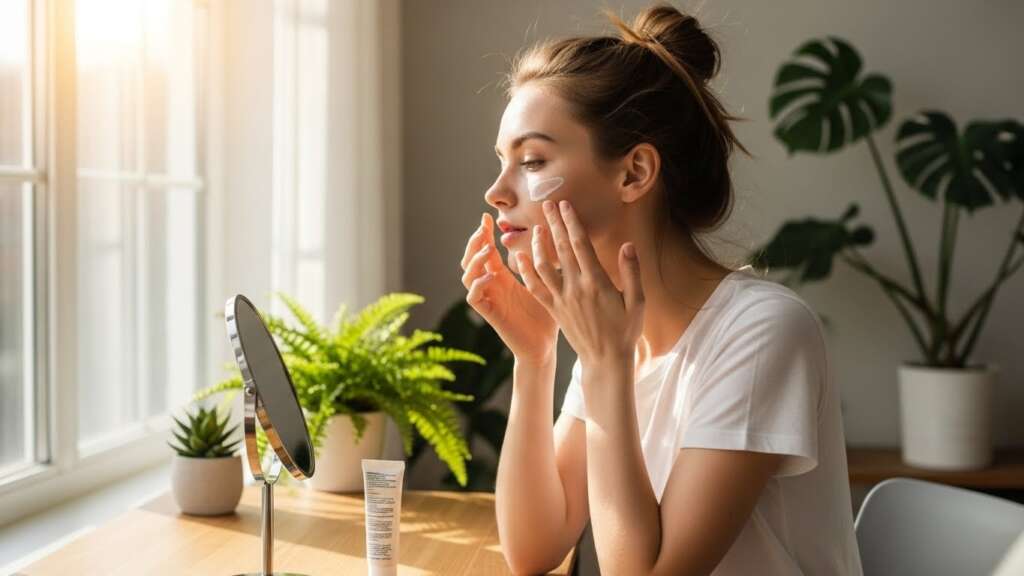
Even when indoors, sensitive skin benefits from daily sunscreen use because UVA rays penetrate windows and contribute to photoaging and hyperpigmentation.
Benefits of daily sunscreen:
- Prevents sunburn and photoaging
- Reduces hyperpigmentation and dark spots
- Protects against UV-induced irritation, redness, and rosacea flare-ups
- Maintains healthy, calm, and hydrated skin
Tips for daily integration:
- Morning: Apply mineral sunscreen over moisturizer.
- Midday: Reapply if outdoors for extended periods.
- Under makeup: Opt for lightweight, non-greasy formulas that layer well.
Final Thoughts:
Choosing and applying the best sunscreen for sensitive skin is essential for long-term skin health. Prioritize mineral sunscreens, broad-spectrum SPF protection, and hypoallergenic formulations. Integrate daily SPF use into your routine, reapply consistently, and pair with hydrating or barrier-repairing products when needed.
By following these guidelines, sensitive skin can remain calm, hydrated, and protected, while reducing the risk of sunburn, hyperpigmentation, and photoaging. Regular use of dermatologist-recommended sunscreens ensures healthy, resilient, and radiant skin.
Frequently Asked Questions (FAQs)
What sunscreen is best for sensitive skin?
The best sunscreen for sensitive skin is mineral-based, broad-spectrum, hypoallergenic, and fragrance-free. Options include EltaMD UV Physical SPF 41 and La Roche-Posay Anthelios Mineral SPF 50.
Which sunscreen do dermatologists recommend?
Dermatologists generally recommend physical sunscreens with zinc oxide or titanium dioxide for sensitive skin. Choose fragrance-free and non-comedogenic formulas.
What sunscreen can I use if I’m allergic to chemical filters?
Use hypoallergenic, fragrance-free mineral sunscreen. Patch-test before full-face application to avoid irritation.
What SPF level is best for sensitive skin?
For daily indoor or short outdoor exposure, SPF 30 is adequate. For prolonged outdoor activity or high UV areas, SPF 50 or 50+ is ideal. Always choose broad-spectrum protection.
Can I use sunscreen under makeup?
Yes! Apply a lightweight, non-greasy sunscreen 15–20 minutes before makeup. Layering works best with powder or tinted sunscreen for sensitive skin.
How often should I reapply sunscreen?
Reapply every 2 hours or immediately after swimming or heavy sweating. Proper reapplication ensures continuous protection against UVA & UVB rays.