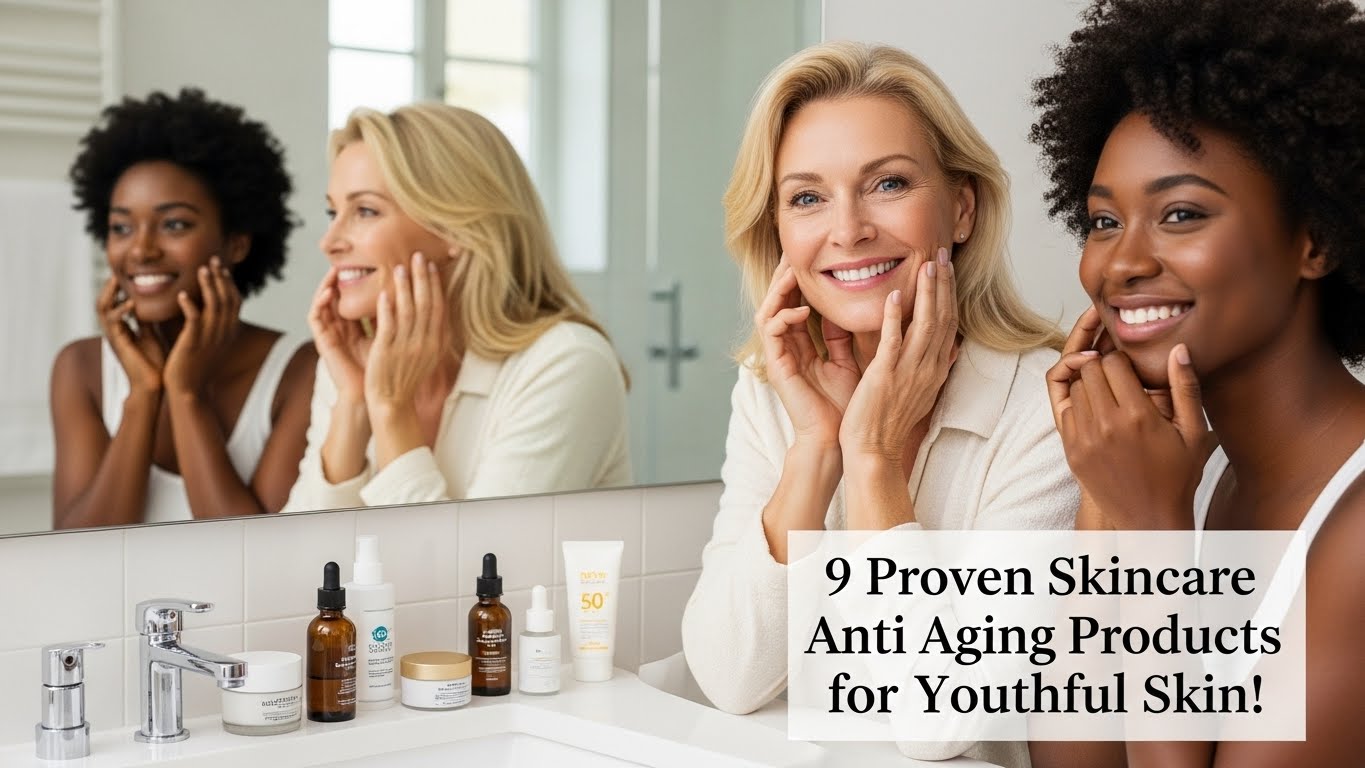
Aging skin concerns do not appear overnight. Changes in skin elasticity, uneven tone, dullness, and fine lines develop slowly due to sun damage, reduced collagen production, moisture loss, and environmental stress. Using the right skincare anti aging products within a structured routine helps slow visible aging while supporting long term skin health guidelines recommended by experts.
Before exploring individual products, it is important to understand how a well planned anti-aging skincare routine works, which ingredients deliver measurable results, and how product choice should align with skin type, age, and lifestyle factors.
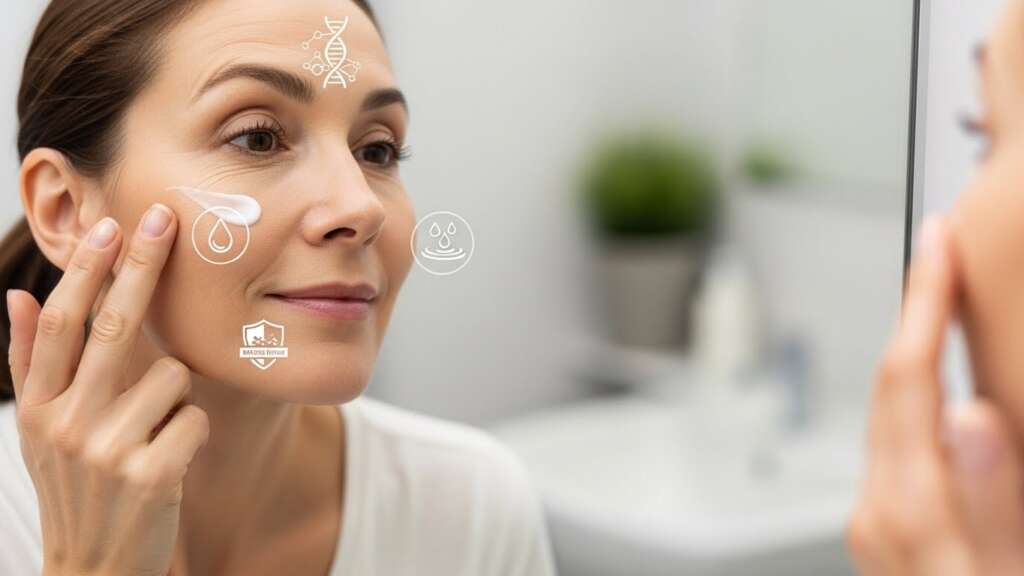
Key Benefits of Using Targeted Anti Aging Skincare
| Focus Area | Why It Matters |
| • Collagen support | Helps maintain skin firmness and reduces fine lines |
| • Hydration balance | Improves moisture retention in dry aging skin |
| • Barrier repair | Protects the epidermis from sun damage and inflammation |
| • Even skin tone | Addresses dull skin and uneven pigmentation |
| • Preventive care | Slows early signs of aging before they deepen |
This article follows an evidence based approach used by dermatologist recommended resources and explains how anti-aging products fit into a daily routine designed for real skin concerns, not trends.
Understanding How Skin Aging Happens Over Time
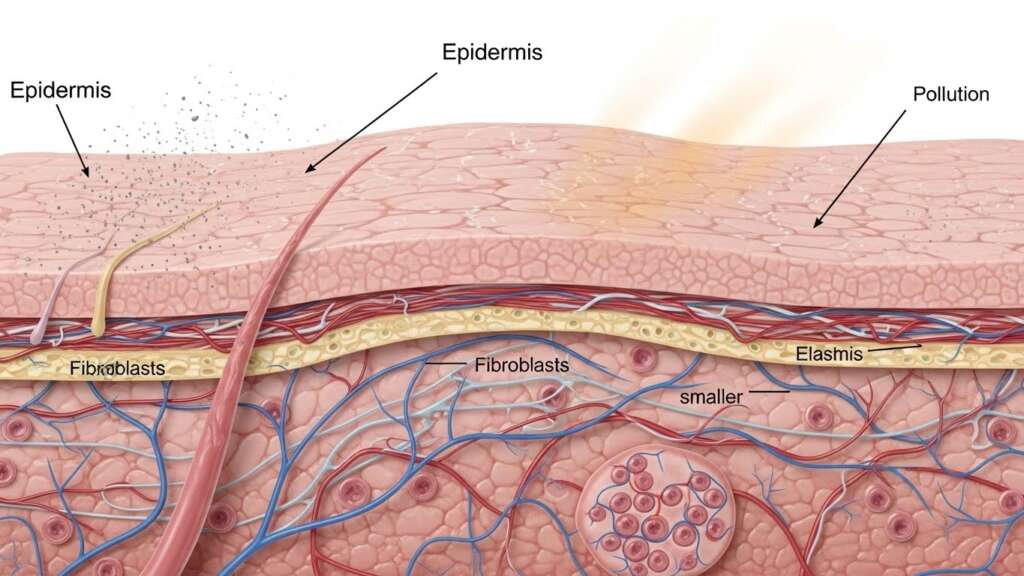
Skin aging is influenced by internal and external factors that affect the epidermis and dermis layers. Over time, natural cell turnover slows, hydration levels drop, and exposure to UV rays increases oxidative stress caused by free radicals.
Internal Factors That Affect Aging Skin
- Gradual decline in collagen and elastin fibers
- Reduced skin renewal and slower healing
- Hormonal shifts affecting mature skin care routine needs
External Factors That Accelerate Skin Aging
- Chronic sun exposure without SPF
- Air pollution and environmental toxins
- Inadequate sleep and poor nutrition
- Skipping proper skin aging prevention habits
A consistent anti-aging skin care routine works by supporting the skin barrier, improving hydration, and stimulating renewal processes that weaken with age.
Why Skincare Anti Aging Products Work Best in a Routine
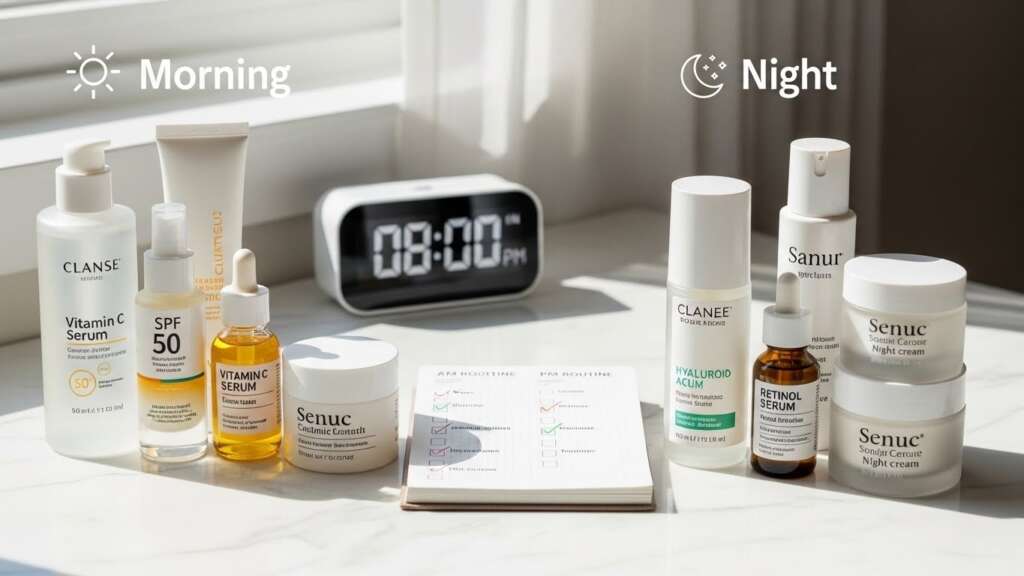
Using random products rarely delivers visible improvement. Skincare anti aging products show results when applied in a structured routine that supports ingredient absorption and skin repair cycles.
A best anti-aging skincare routine focuses on three principles:
- Protection during the day
- Repair and renewal at night
- Consistency over time
This structure aligns with evidence-based skincare guidance followed by board certified specialists.
Clinically Proven Ingredients That Support Youthful Skin
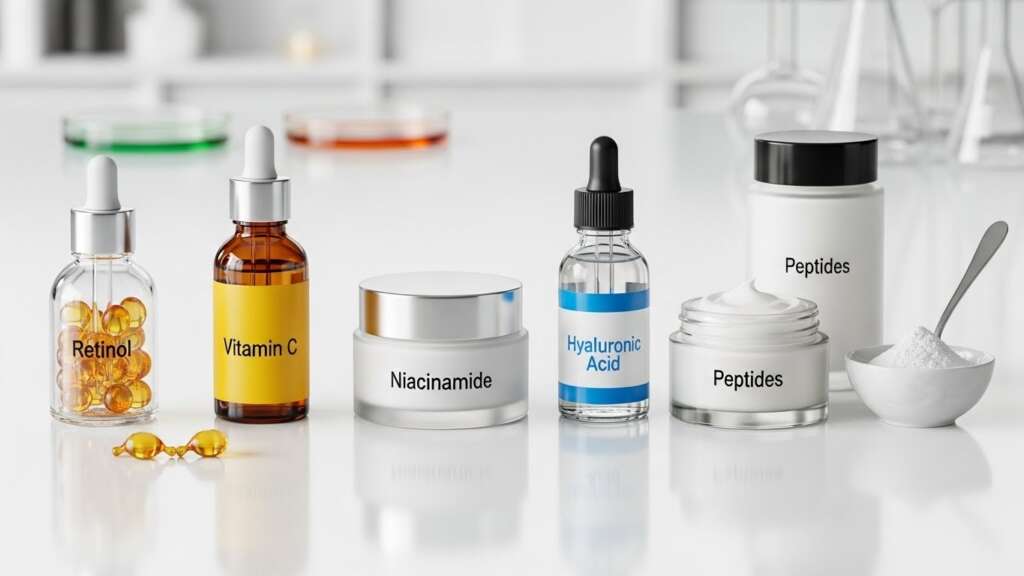
The effectiveness of anti-aging treatment depends largely on ingredient quality and formulation. Research backed ingredients target wrinkles, hydration loss, and skin texture changes.
Core Ingredients Found in Anti Aging Products
Retinol / retinoids
Stimulate cell turnover, help reduce wrinkles, and support collagen renewal. Often used at night to minimize sun sensitivity.
Vitamin C serum
An antioxidant that improves brightness, supports collagen, and protects against free radical damage.
Hyaluronic acid
Improves moisture retention and skin plumping, especially for dry aging skin.
Niacinamide
Supports barrier repair, reduces inflammation, and helps improve uneven skin tone.
Peptides
Signal skin to boost collagen and improve firmness.
Ceramides
Strengthen the skin barrier and prevent moisture loss.
Beta and alpha hydroxy acids (AHA and BHA)
Support exfoliation, improve skin texture, and promote renewal when used correctly.
How to Pick Anti-Aging Products Based on Your Skin Type

Not all aging skin behaves the same. Selecting anti-aging skincare products depends on sensitivity level, oil production, and hydration needs.
For Dry Aging Skin
- Focus on deep hydration and barrier repair
- Prioritize ceramides, hyaluronic acid, and squalane
- Avoid over exfoliation
For Sensitive Aging Skin
- Use fragrance free, dermatologist approved skincare
- Introduce active ingredients slowly
- Support moisture retention to prevent irritation
For Oily or Combination Aging Skin
- Lightweight textures with niacinamide
- Balanced hydration without clogging pores
- Gentle exfoliation to prevent dull skin
Understanding these differences prevents irritation while improving long term results.
Morning Routine Basics for Aging Skin Protection
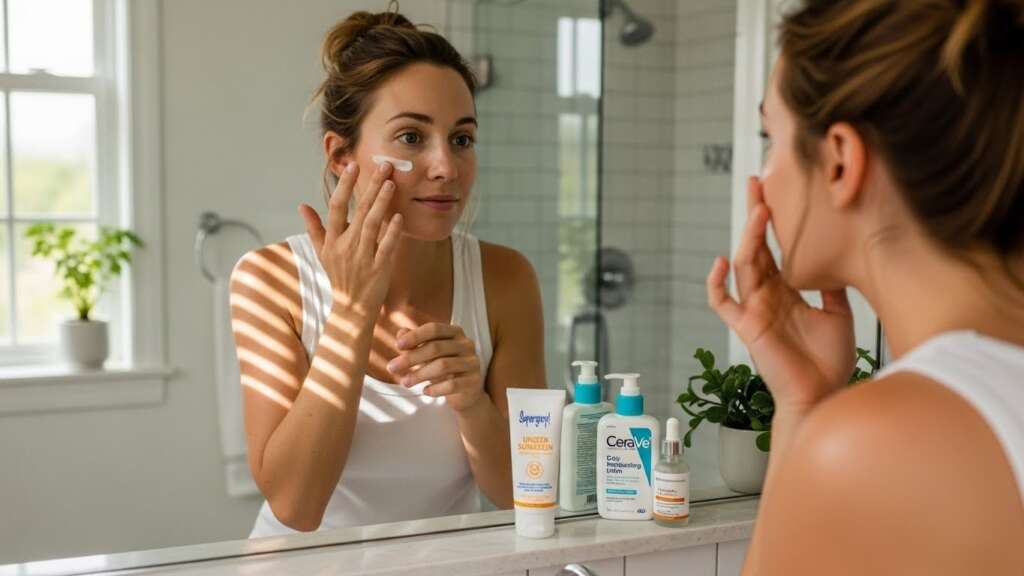
A structured morning skincare routine protects against daily stressors that contribute to premature aging.
Step by Step Morning Routine
- Gentle cleanser to remove overnight buildup
- Antioxidant serum such as vitamin C
- Lightweight moisturizer to support hydration
- Sunscreen SPF 30+ for UV protection
Sun exposure remains the leading cause of visible aging. Daily sunscreen use is one of the most effective ways to support how to prevent skin aging.
Night Skincare Routine for Aging Skin Repair

Skin repair accelerates during sleep. A night skincare routine for aging skin focuses on renewal and recovery.
Essential Night Routine Steps
- Double cleansing to remove sunscreen and impurities
- Exfoliation on scheduled days using AHA or BHA
- Retinol at night for collagen support
- Night cream to improve skin repair overnight
This routine helps address fine lines and wrinkles while improving overall skin firmness.
The Role of Skincare Anti Aging Products in Prevention
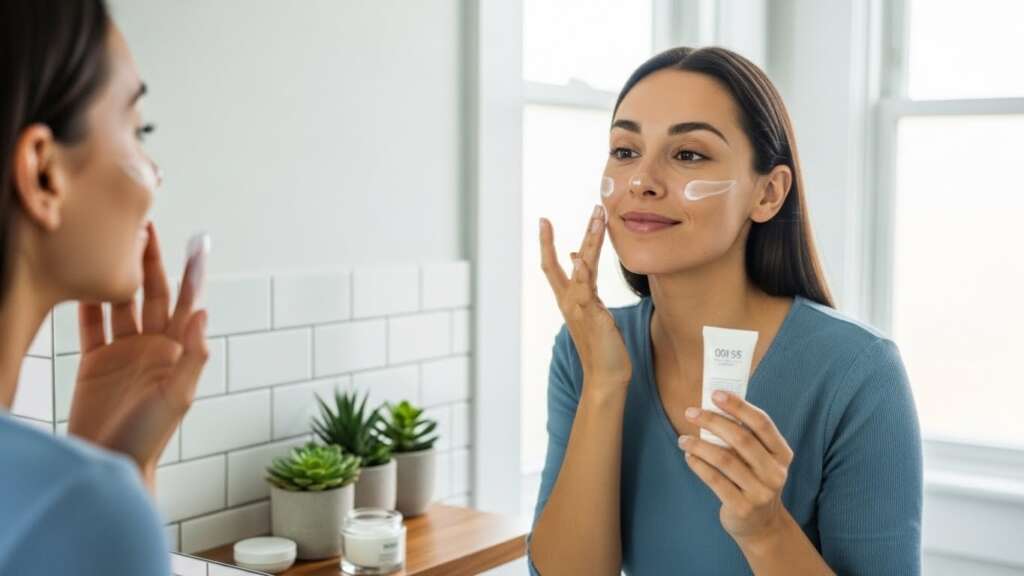
Many people wait until visible wrinkles appear before starting treatment. Dermatologist skincare advice emphasizes prevention over correction.
Starting a daily anti-aging routine earlier helps:
- Maintain skin elasticity
- Reduce cumulative sun damage
- Preserve even tone and smooth texture
This approach supports long term skin health rather than temporary cosmetic improvement.
Common Myths About Anti Aging Skincare

Do Anti Aging Products Really Work
Yes, when formulas include clinically proven ingredients and are used consistently. Results vary based on skin type and routine quality.
What Age Should You Start Anti Aging Skincare
Preventive care often begins in the mid 20s with sunscreen and antioxidants, expanding to retinoids and peptides as needed.
Is Expensive Skincare Always Better
Price does not determine effectiveness. Many affordable anti-aging skincare options contain the same active ingredients as luxury formulas.
Lifestyle Factors That Support Anti Aging Treatment

Products alone cannot fully address aging skin. Daily habits play a key role in treatment outcomes.
Skin Friendly Lifestyle Habits
- Consistent sleep for skin renewal
- Balanced diet rich in antioxidants
- Stress management to reduce inflammation
- Adequate hydration for moisture balance
When combined with skincare anti aging products, these habits improve visible results and long term skin quality.
What Makes a Dermatologist Approved Routine Effective

High authority sources emphasize simplicity and consistency. A routine that follows skin health guidelines focuses on fewer products with proven benefits.
Key characteristics include:
- Evidence based formulations
- FDA approved ingredients when applicable
- Gradual introduction of active treatments
- Long term use rather than quick fixes
This approach aligns with professional anti-aging skincare tips designed to protect and restore aging skin.
1. Gentle Cleanser That Protects the Skin Barrier
Cleansing is the foundation of any anti-aging skin care routine. Aging skin produces less natural oil, which makes harsh cleansers especially damaging.
Why It Matters for Aging Skin
- Preserves moisture retention
- Reduces inflammation caused by over cleansing
- Prepares skin for treatment products
A gentle cleanser supports the epidermis without stripping lipids that are critical for skin firmness and hydration balance.
Best for: dry aging skin, sensitive aging skin, mature skin care routine
2. Vitamin C Serum for Brightness and Collagen Support
A daily vitamin C serum plays a central role in skin aging prevention. Dermatologist recommended formulas help neutralize free radicals and reduce damage caused by UV exposure.
How It Supports Youthful Skin
- Improves uneven skin tone
- Provides antioxidant protection
- Helps boost collagen
Consistent use improves dull skin while supporting long term anti-aging treatment goals.
3. Retinol or Retinoid Treatment for Skin Renewal
Among all anti-aging products, retinol remains one of the most studied ingredients in clinical dermatology.
Benefits of Retinol in Aging Skin Care
- Encourages faster cell turnover
- Reduces fine lines and wrinkles
- Improves skin texture over time
Because retinol increases sun sensitivity, it fits best in a night skincare routine for aging skin paired with sunscreen during the day.
4. Hyaluronic Acid Serum for Deep Hydration
Hydration loss is a major contributor to visible aging. Hyaluronic acid works by binding water within the skin, improving plumpness and elasticity.
Key Hydration Benefits
- Supports moisture retention
- Improves skin plumping
- Reduces tightness in dry aging skin
This ingredient benefits nearly all skin types and is a staple in anti-aging routine for youthful skin strategies.
5. Niacinamide Treatment for Barrier Repair
Niacinamide is widely used in dermatologist approved skincare due to its ability to strengthen the skin barrier.
How Niacinamide Helps Aging Skin
- Improves skin firmness
- Reduces inflammation
- Balances hydration levels
It is especially helpful for sensitive aging skin and uneven skin tone.
6. Peptide Based Serum for Skin Firmness
As messengers, peptides tell the skin to make more collagen.
Why Peptides Matter
- Support skin elasticity
- Improve firmness
- Complement retinol without irritation
Peptides fit well into both morning and night routines, making them useful for daily anti-aging routine planning.
7. Ceramide Rich Moisturizer for Barrier Strength
Ceramides naturally occur in healthy skin but decline with age. Replenishing them improves resilience and hydration.
Benefits for Aging Skin
- Restores barrier repair
- Reduces moisture loss
- Protects against environmental stress
A ceramide moisturizer is essential for skincare routine for aging skin maintenance.
8. Chemical Exfoliants Using AHA or BHA
Exfoliation supports skin renewal by removing dead cells that cause dullness.
Safe Use Guidelines
- Use alpha hydroxy acids for surface renewal
- Use beta hydroxy acids for deeper pore cleansing
- Limit use to prevent irritation
When used correctly, exfoliants enhance the performance of other anti-aging skincare products.
9. Broad Spectrum Sunscreen SPF 30+ for Daily Protection
No anti-aging skincare routine is complete without sun protection. UV damage accelerates wrinkles, pigmentation, and collagen breakdown.
Why Sunscreen Is Non Negotiable
- Prevents sun damage
- Protects collagen reserves
- Supports long term skin health guidelines
Daily sunscreen is the most effective answer to how to prevent skin aging.
Anti Aging Skincare by Age Group
Skin needs change over time. Adapting skincare anti aging products by age improves results and prevents over treatment.
Anti Aging Skincare in Your 20s
- Focus on prevention
- Antioxidants and sunscreen
- Simple anti-aging routine
Anti Aging Skincare in Your 30s
- Introduce retinol gradually
- Support collagen production
- Improve hydration levels
Anti Aging Skincare in Your 40s
- Emphasize barrier repair
- Use peptides and ceramides
- Address fine lines and wrinkles
Anti Aging Skincare in Your 50s
- Prioritize moisture retention
- Gentle exfoliation
- Night skincare routine for aging skin repair
Anti Aging Routine for Sensitive and Hormonal Aging Skin
Hormonal changes impact oil production, sensitivity, and elasticity.
Key Considerations
- Avoid over exfoliation
- Use fragrance free formulas
- Introduce actives slowly
Sensitive skin benefits from evidence-based skincare approaches rather than aggressive treatments.
Anti Aging Skincare for Men
Men experience aging differently due to thicker skin and higher collagen density.
Routine Adjustments for Men
- Lightweight textures
- Focus on hydration and sun protection
- Consistent cleanser and moisturizer use
A simplified anti-aging skincare routine increases adherence and long term results.
Korean Skincare Logic Explained Scientifically
Korean routines emphasize hydration layers and barrier health. This approach aligns with dermatology principles that support skin renewal and moisture balance.
Instead of utilizing several items, the emphasis is on:
- Gentle cleansing
- Hydration layering
- Sun protection
These principles complement anti-aging skincare tips used globally.
How Much Time Do Anti-Aging Products Take to Start Working?
Results depend on ingredient type and consistency.
Typical Timelines
- Hydration improvements within weeks
- Texture changes in 6 to 8 weeks
- Wrinkle reduction in 3 to 6 months
Patience is essential when following a best anti-aging skincare routine.
Step by Step Anti Aging Skincare Routine for Lasting Results
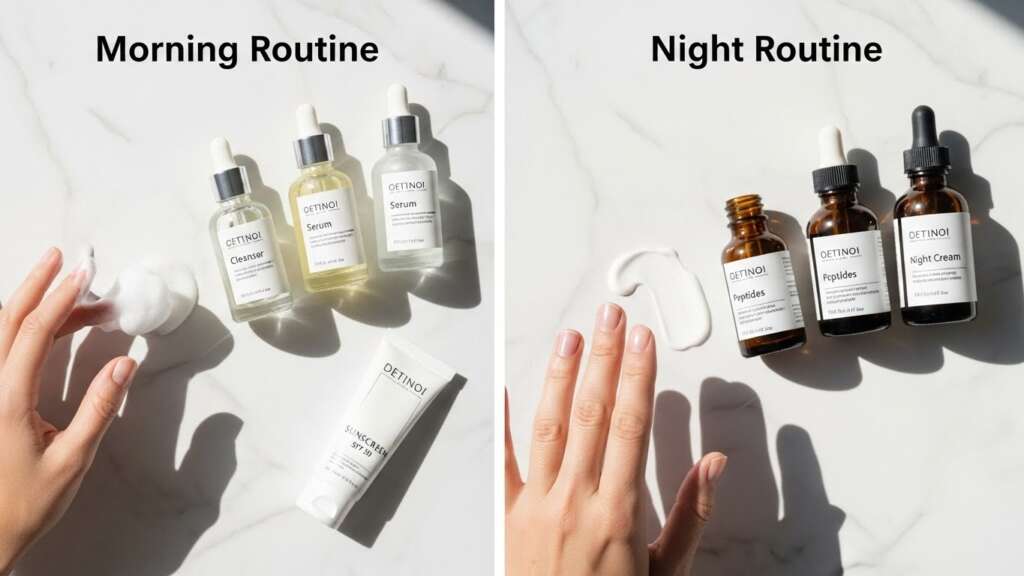
Building a routine that actually works requires structure, patience, and correct product layering. A daily anti-aging routine should support protection during the day and repair at night while respecting skin sensitivity.
Beginner Anti Aging Skincare Routine
This routine is ideal for those starting preventive care or asking what age should you start anti-aging skincare.
Morning Steps
- Gentle cleanser to protect the skin barrier
- Vitamin C serum for antioxidant defense
- Lightweight moisturizer to maintain hydration levels
- Sunscreen SPF 30+ for UV protection
Night Steps
- Gentle cleanser
- Hyaluronic acid for moisture retention
- Ceramide rich night cream
This beginner anti-aging skincare approach focuses on consistency rather than intensity.
Advanced Anti Aging Skin Care Routine for Visible Changes
An advanced routine targets fine lines and wrinkles, loss of firmness, and uneven tone.
Morning Routine for Aging Skin
- Gentle cleanser
- Antioxidant serum
- Niacinamide for barrier repair
- Moisturizer
- Sunscreen
Night Routine for Aging Skin
- Double cleansing
- Chemical exfoliation two nights weekly
- Retinol / retinoids for skin renewal
- Peptide serum
- Nourishing night cream
This structure supports collagen production while minimizing irritation.
Common Mistakes That Accelerate Skin Aging

Many people unknowingly reduce the effectiveness of skincare anti aging products by making routine mistakes.
Mistakes to Avoid
- Skipping sunscreen on cloudy days
- Using too many active ingredients together
- Over exfoliating sensitive aging skin
- Expecting overnight results
Avoiding these errors improves long term skin aging prevention.
Natural vs Clinical Anti Aging Skincare Approaches
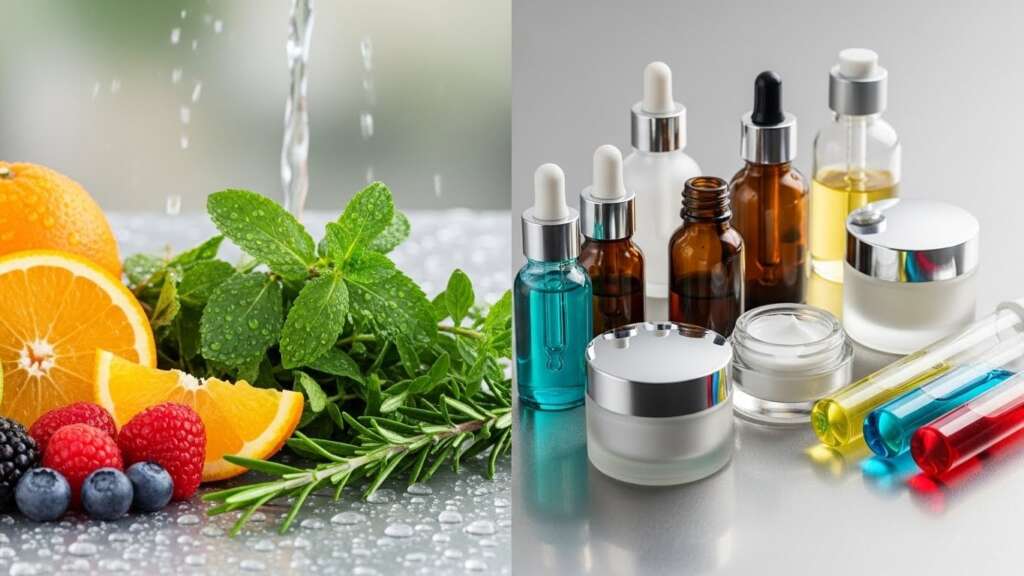
Natural Support Methods
- Balanced diet rich in antioxidants
- Adequate sleep for skin renewal
- Stress reduction to control inflammation
Clinical Skincare Approach
- Use of clinically proven ingredients
- Dermatologist approved skincare routines
- Evidence based ingredient combinations
The most effective anti-aging treatment combines lifestyle habits with targeted products.
How Lifestyle Choices Impact Aging Skin

Daily habits influence skin health as much as topical care.
Lifestyle Factors That Support Youthful Skin
- Hydration to support moisture balance
- Sun avoidance during peak hours
- Nutrient rich diet supporting collagen
- Consistent sleep patterns
These habits enhance the performance of anti-aging skincare products.
Before and After Expectations With Anti Aging Products
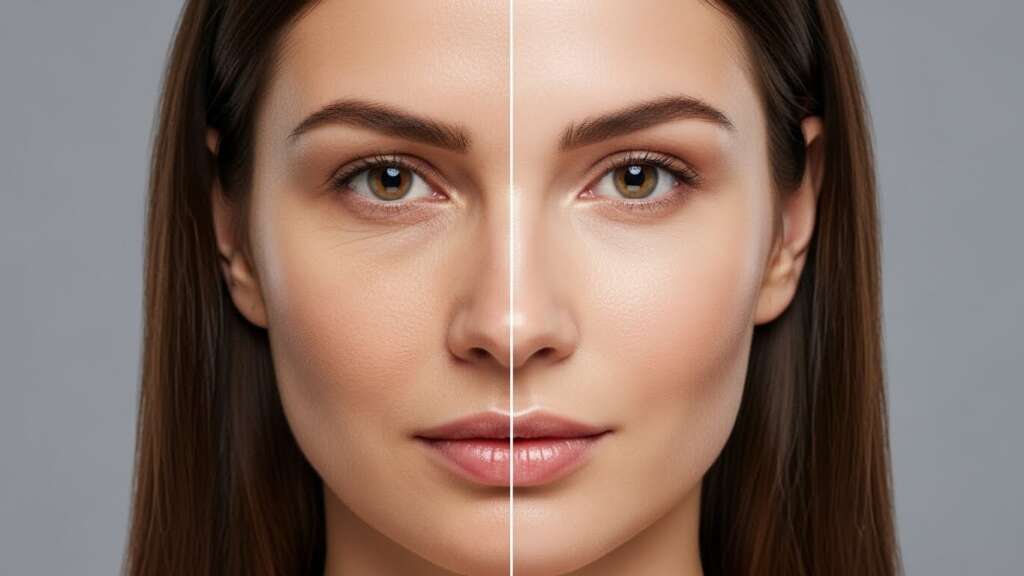
Understanding realistic outcomes prevents disappointment.
What You Can Expect
- Improved hydration within weeks
- Smoother texture in two months
- Gradual wrinkle reduction over several months
Age, skin type, and regularity of routine all affect the outcome.
Final Thoughts on Skincare Anti Aging Products
Healthy aging skin depends on education, patience, and consistency. Skincare anti aging products work best when selected based on skin type, age, and scientific evidence rather than marketing claims. A structured anti-aging routine for youthful skin, supported by lifestyle habits and professional guidance, offers sustainable results that improve skin quality over time.
By focusing on prevention, barrier support, and renewal, individuals can maintain smoother texture, better elasticity, and a balanced complexion well into later years while following trusted anti-aging skincare tips grounded in dermatology principles.
FAQS: (Frequently Asked Questions)
Do Anti Aging Products Really Work
Yes, when formulas contain FDA-approved ingredients and are used consistently as part of a best anti-aging skincare routine.
What Is the Most Effective Anti Aging Skincare
Daily sunscreen, retinoids, antioxidants, and barrier repair ingredients form the foundation of effective anti-aging skincare.
What Do Koreans Use Against Wrinkles
Korean routines emphasize hydration layering, gentle cleansing, and sun protection which aligns with skin health guidelines.
What Does Jennifer Aniston Use for Anti Aging
Public information highlights consistent sunscreen use, hydration, and professional guidance rather than specific product claims.